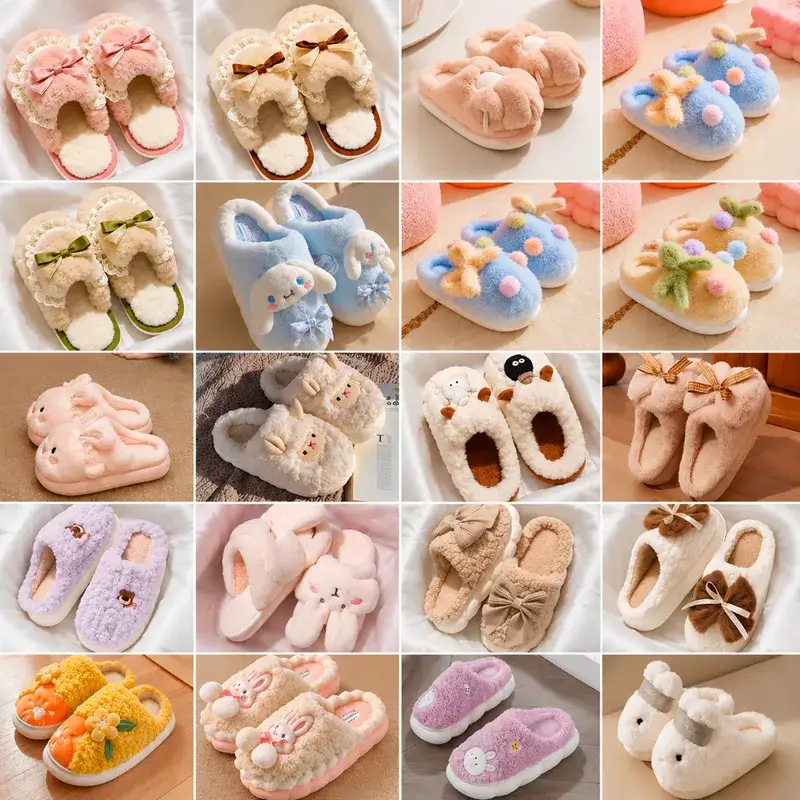
Before bulk custom plush slipper production begins, design confirmation and pattern making are the first steps. This stage defines the slipper style, structure, material thickness, size allowance, plush direction, sole matching, logo position, and sample reference.
For B2B buyers, this step is important because a small pattern error can become a large production problem in bulk orders. If the slipper opening is too wide, the product may slip off easily. If the toe curve is too tight, the slipper may feel uncomfortable. If plush fabric direction is not controlled, the left and right slippers may look inconsistent.
At CustomPlushSlippers, we use design review, pattern making, and sample development to help reduce misunderstandings before production and create a clear reference for cutting, sewing, sole attachment, finishing, and packing.
Why Design and Pattern Making Matter
Custom plush slippers are soft products. Unlike hard-structure footwear, plush slippers depend heavily on fabric thickness, lining, padding, seam allowance, and overall shape control.
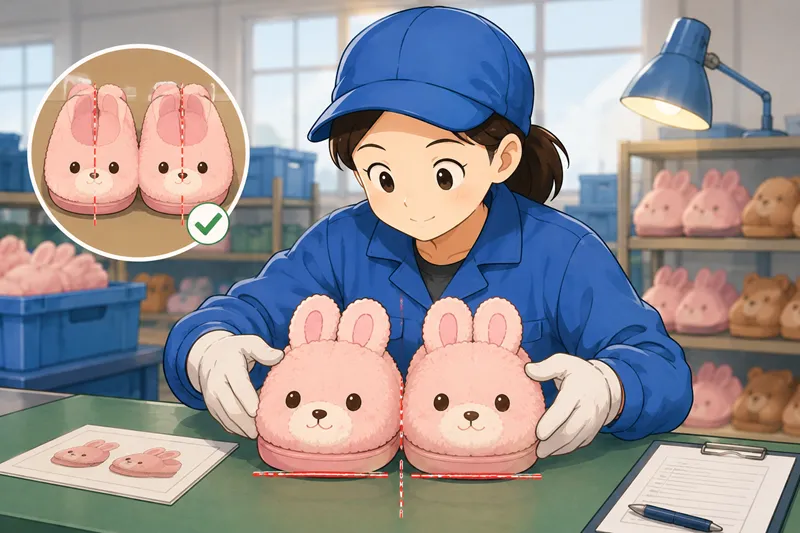
Good design and pattern making help control slipper shape, wearing comfort, left and right balance, plush fabric direction, logo placement, size consistency, production feasibility, and sample-to-bulk order consistency.
For wholesale buyers, private label brands, hotel and spa buyers, Amazon sellers, gift suppliers, and promotional product companies, this step helps reduce the risk of bulk products being different from the approved sample.
Common Plush Slipper Styles Before Pattern Making
Different slipper styles require different pattern structures, material handling, and sewing methods. Before making the pattern, the buyer and factory should first confirm the basic slipper style.
| Slipper Style | Common Use | Pattern Control Focus |
|---|---|---|
| Closed-Toe Plush Slippers | Winter slippers, animal slippers, gift slippers | Toe curve, upper volume, warmth, and fit |
| Open-Toe Plush Slippers | Spa, hotel, spring and autumn styles | Opening shape, edge binding, and foot stability |
| Full-Back House Slippers | Home use and stable indoor slippers | Heel height, back structure, and secure fit |
| Slide Plush Slippers | Logo slippers and promotional projects | Band width, logo placement, and upper support |
| High-Top / Boot-Style Slippers | Winter collections and private label lines | Shaft structure, padding, and shape support |
Key Structure Details in Plush Slipper Design
A plush slipper may look simple, but several structure details need to be confirmed before pattern making. These details affect comfort, shape, appearance, production cost, and bulk order consistency.
Upper Fabric
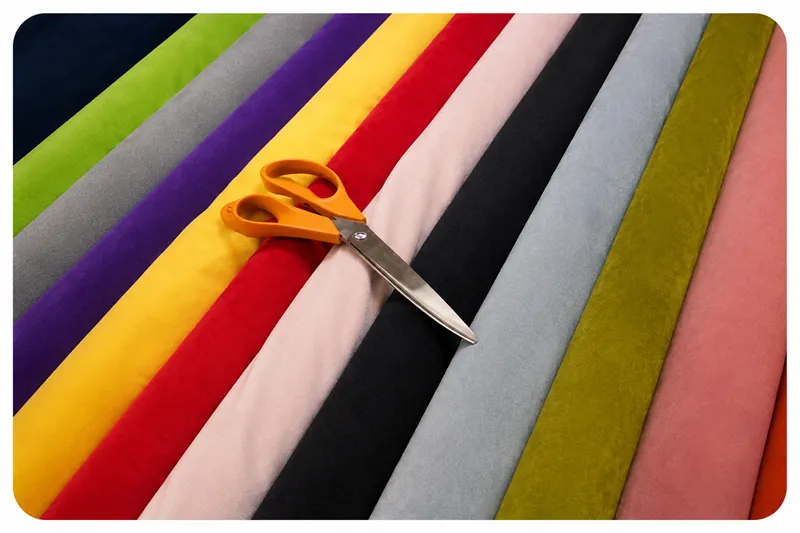
The upper is usually made from soft plush materials such as short plush, coral fleece, faux fur, sherpa fleece, teddy fleece, or velvet plush. Fabric thickness and pile height affect the pattern allowance and final slipper volume.
Lining and Padding
The lining may use fabric, sponge, thin cotton, or light foam. It helps improve comfort, support the slipper shape, and create a fuller wearing experience.
Opening and Edge Binding
The slipper opening may use edge binding, ribbed fabric, or wrapped edge finishing. This helps cover raw edges, reduce loose threads, and make the opening more comfortable.
Sole Structure
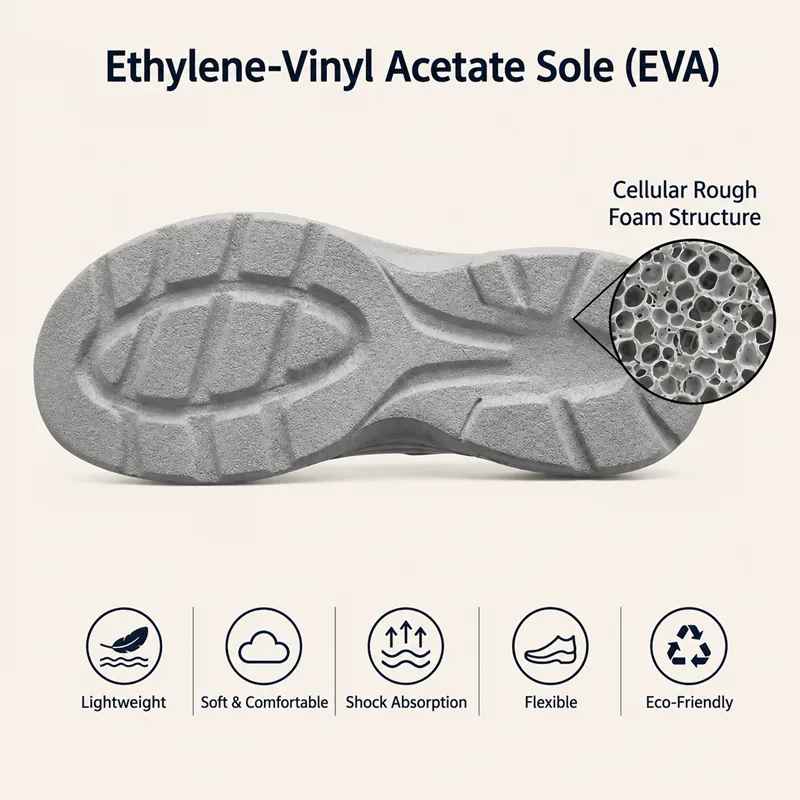
The sole may use EVA, TPR, rubber, or dotted fabric, depending on the project type. Sole choice affects weight, flexibility, anti-slip performance, cost, and use scenario. Buyers can also review our guide on how to choose the right sole for a custom plush slipper project.
Logo Placement
Logo details such as embroidery, woven labels, printed labels, or side tags should be confirmed before pattern making, so the logo position can match the slipper structure. For more logo options, see our custom logo options for plush slippers.
Decorative Parts
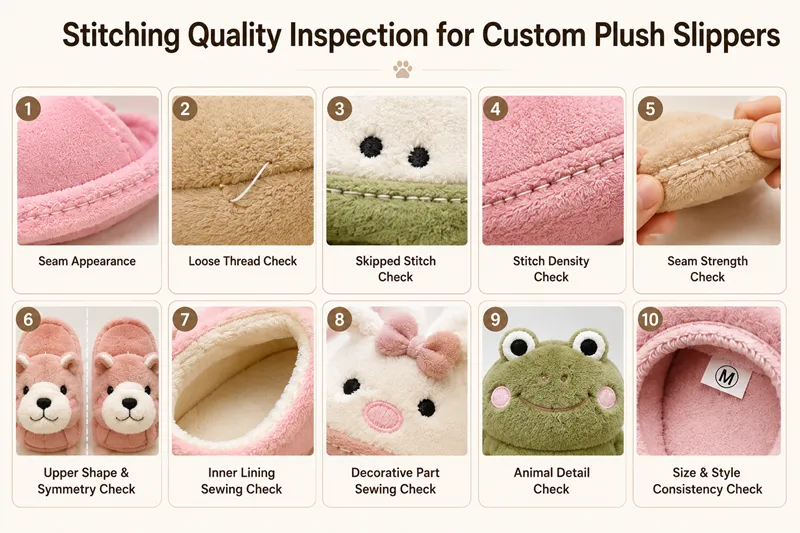
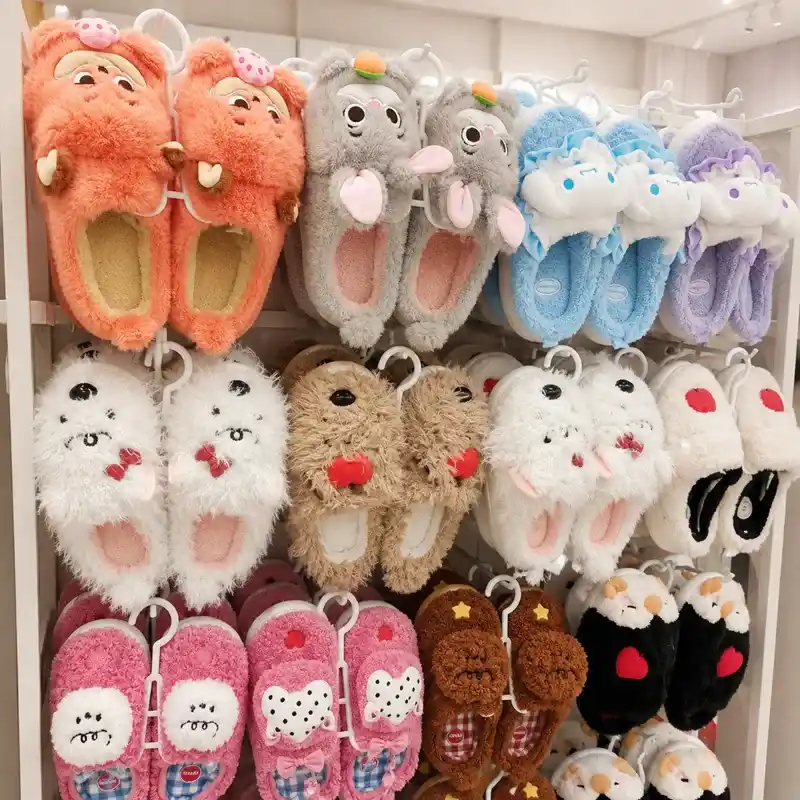
Decorative parts may include bows, pom-poms, plush ears, tails, or animal facial features. For children’s slippers or export orders, these parts should be reviewed carefully and reinforced when needed to reduce detachment risks.
Have a Plush Slipper Design to Develop?
Send us your reference photo, target style, material idea, logo requirement, sole option, and packaging plan. Our team can help review the details before sample development.
Request a Sample EvaluationPattern Structure of a Custom Plush Slipper
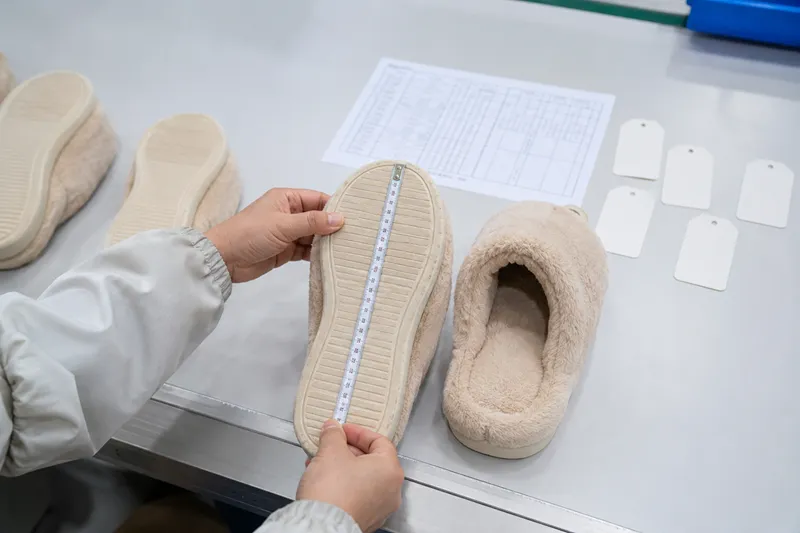
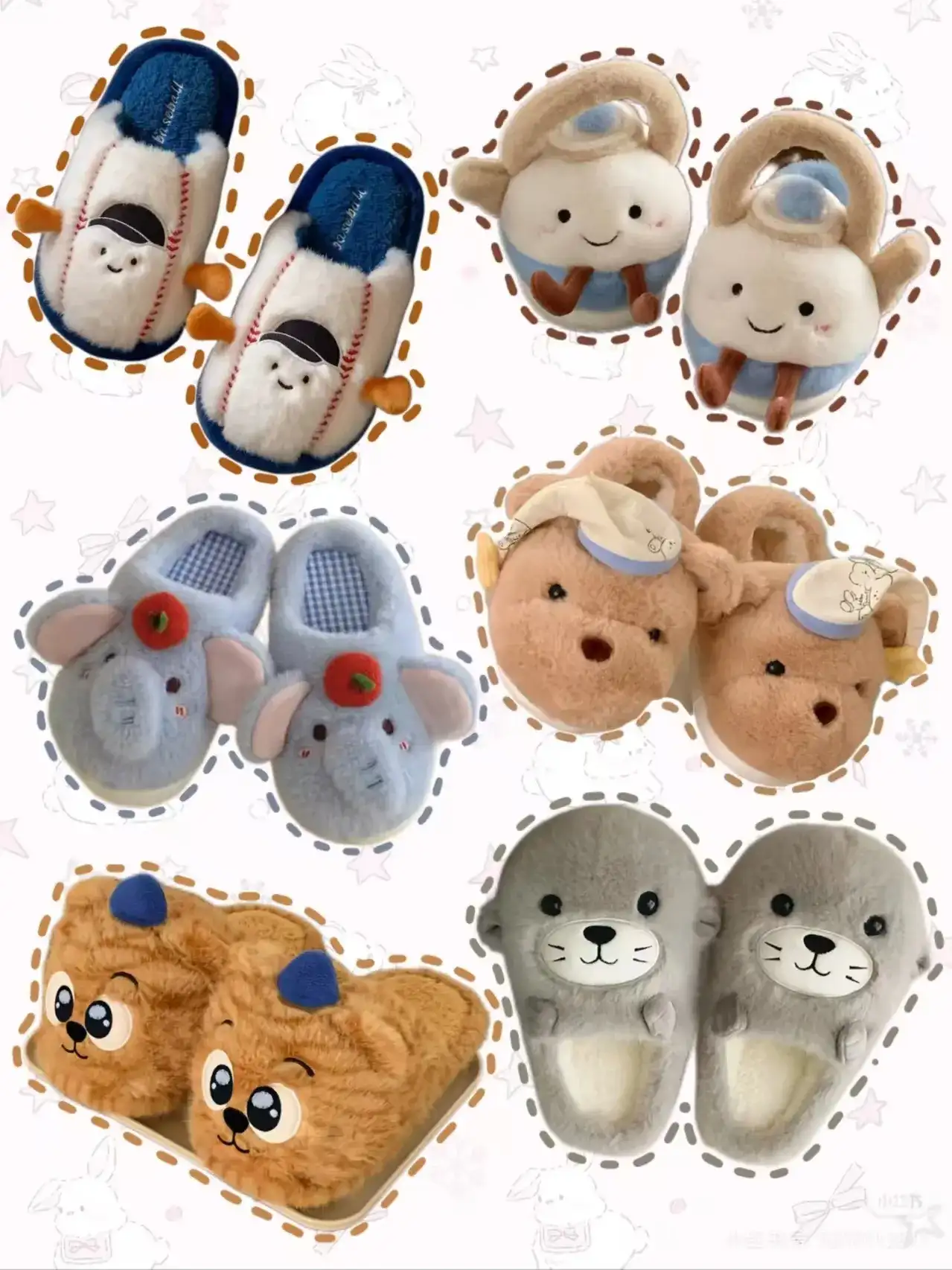
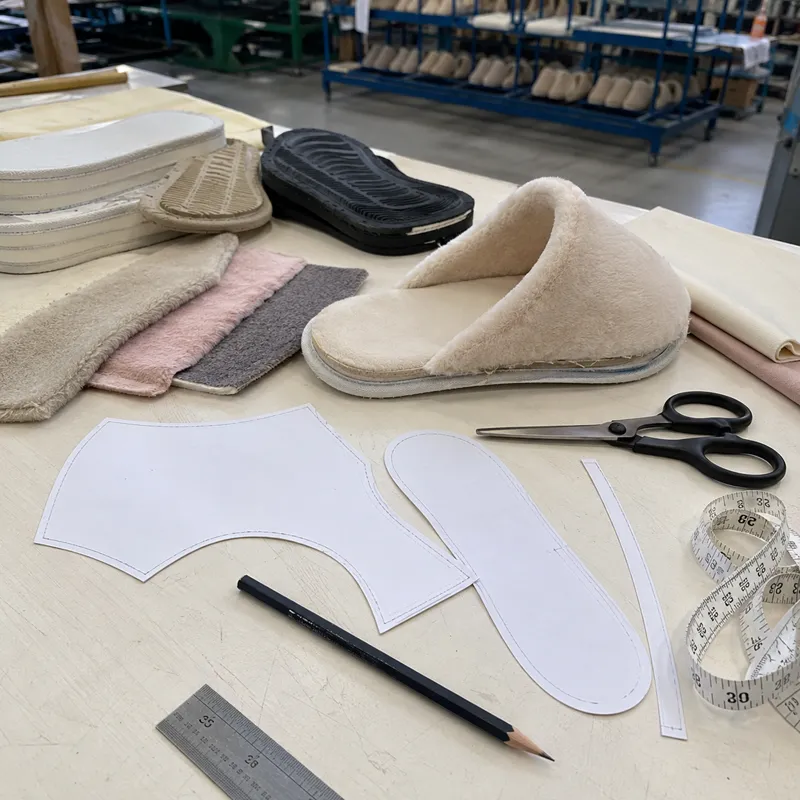
A standard plush slipper pattern usually includes several parts. For animal plush slippers, the pattern may also include ears, eyes, nose, tail, face panels, or other character details.
- Upper pattern: controls the toe curve, instep height, side coverage, and opening width.
- Insole or footbed pattern: defines the area that supports the foot.
- Edge binding strip: is used to finish the opening or edge area.
- Lining pattern: helps match the inner structure with the outer plush fabric.
- Decorative component patterns: are used for animal features, bows, labels, or other custom details.
A clear pattern structure helps the cutting and sewing team follow the same production reference.
Plush Fabric Direction and Pattern Allowance
Plush fabric is different from ordinary flat fabric. It has thickness, pile direction, and surface volume. These features must be considered during pattern making, otherwise the finished slippers may look uneven, feel too tight, or lose their intended shape.
1. Plush Thickness Affects Fit
Long plush, sherpa fleece, faux fur, and teddy fleece usually need more pattern allowance because the fabric becomes thicker after sewing and turning. If the allowance is too small, the slipper may feel tight or the toe area may lose shape.
2. Too Much Allowance Can Make the Slipper Loose
Pattern allowance also needs to be controlled. If the allowance is too large, the upper may look bulky, the opening may become loose, or the finished slipper may not hold the foot well.
3. Pile Direction Must Be Marked Clearly
Plush materials often have a visible pile direction. If the left and right pieces are cut in different directions, the finished slippers may show different color tones, surface reflections, or texture effects. Clear pile direction marking helps keep bulk production more consistent.
4. Rounded Lines Are Better for Plush Materials
Thick plush fabric is harder to turn and finish neatly at sharp angles. Rounded toe shapes and smoother curves make sewing easier and help the finished slipper look fuller, softer, and more natural.
5. Lining Patterns May Need Small Adjustments
In some plush slipper designs, the lining pattern may be slightly smaller than the outer plush pattern. This helps reduce inner bulk and makes the outer surface look smoother and fuller.
Sample Development Before Bulk Production
After the pattern is developed, a sample is usually made before bulk production. The sample helps confirm whether the design can be produced properly and whether the slipper feels comfortable.
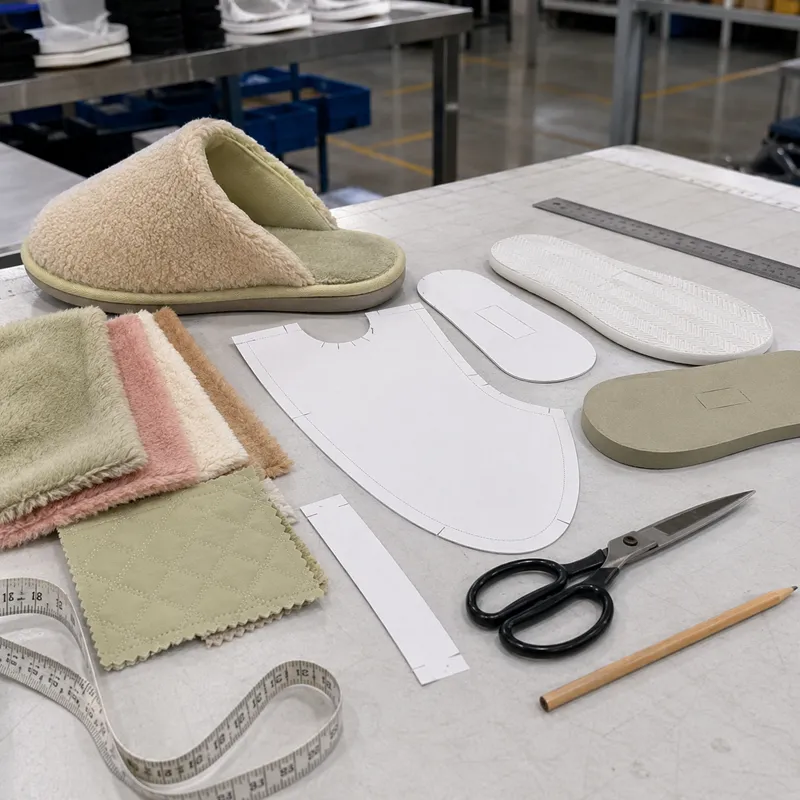
During sample checking, we may review whether the slipper shape matches the design, whether the toe area has enough space, whether the opening is too loose or too tight, whether the slipper slips off easily, whether the left and right slippers look balanced, and whether the logo, label, decoration, and sole match the approved direction.
If the sample does not meet the requirement, the pattern can be adjusted before bulk production. For example, the opening can be narrowed if the slipper slips off easily, or the toe area can be enlarged if it feels too tight.
The approved sample then becomes an important reference for bulk production.
What Buyers Should Provide Before Pattern Making
To develop an accurate sample, buyers should provide clear project information before production starts.
- Design drawing or reference photo
- Target slipper style
- Size range and target market
- Plush fabric type and color
- Lining or padding requirement
- Logo method, size, and position
- Decorative part requirements
- Sole material and color
- Packaging method
- Special requirements for retail, hotel, gift, or promotional use
If some details are not clear, our team can help review suitable options based on the target market and project use.
Common Problems This Step Helps Reduce
Design confirmation and pattern making help reduce many common production problems before they enter bulk production.
- Wrong slipper shape
- Poor fit
- Toe area too tight
- Opening too loose
- Left and right imbalance
- Plush direction inconsistency
- Logo position error
- Decorative part misplacement
- Wrong sole matching
- Bulk order differences from the approved sample
For B2B orders, preventing these problems early is more efficient than correcting them after mass production begins.
How This Step Connects with the Full Manufacturing Process
Design and pattern making are the starting point of the full custom plush slipper manufacturing process.
Once the pattern and sample are confirmed, the project can move into material cutting, upper sewing, edge binding, side stitching, sole preparation, sole attachment, plush surface finishing before packing, quality control, and packing.
A clear design and approved sample help every later production step follow the same reference.
After pattern making and sample confirmation, later production steps such as sole attachment and anti-slip checking also affect the final quality of bulk plush slipper orders. You can also read our factory in-house sole attachment check and anti-slip sole check articles to understand how we review finished slippers before packing.
Start Your Custom Plush Slipper Project
Share your design idea, reference photo, target size range, material preference, sole option, logo requirement, and packaging plan with us. Our team can help review the details and prepare a suitable sample direction before production.
Contact Us