Before bulk custom plush slipper production begins, sample development helps turn a design idea into a real product that can be reviewed, revised, approved, and used as the reference for mass production.
For B2B buyers, this step is important because custom plush slippers often involve soft materials, animal shapes, logo placement, sole matching, sizing, and packaging details. A confirmed sample helps reduce misunderstandings before the order enters bulk production.
At CustomPlushSlippers, sample development includes design and pattern making, material selection, first sample production, sample revisions, final approval, and production reference control.
For hands-on project support, see our custom plush slipper sample development service from design review through final approval.
Step 1: Design & Pattern Making
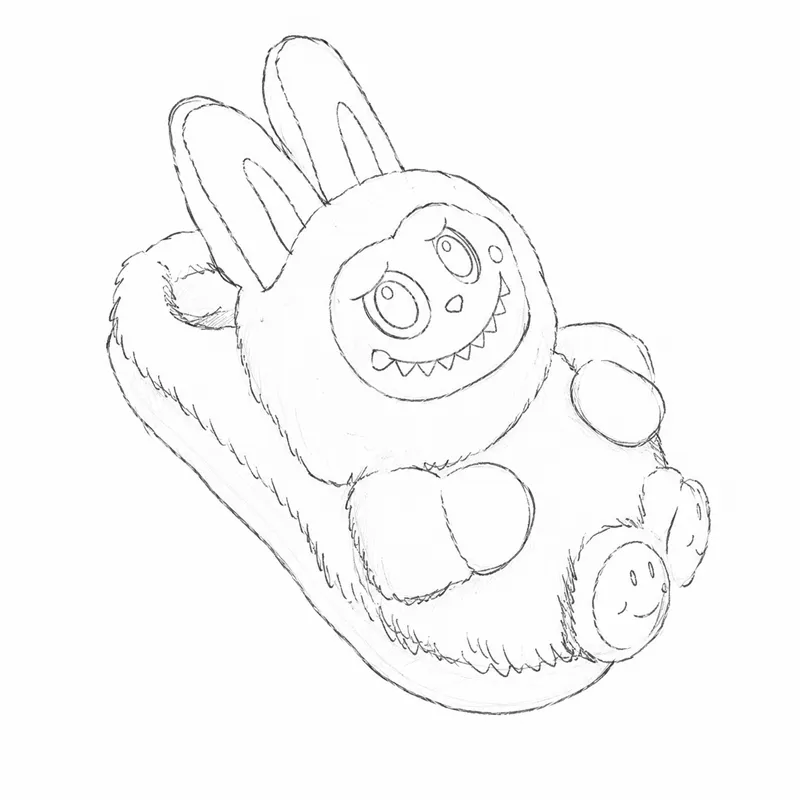
Sample development begins with design review and pattern making. Our team reviews the customer’s reference images, artwork, target slipper style, size range, structure requirements, and intended use.
During this stage, we confirm slipper proportions, plush direction, animal features, decorative parts, sole structure, and construction methods. This helps make sure the design can be developed into a production-ready sample.
You can read more about this step in our Design & Pattern Making for Custom Plush Slippers guide.
Step 2: Material Selection & Color Matching
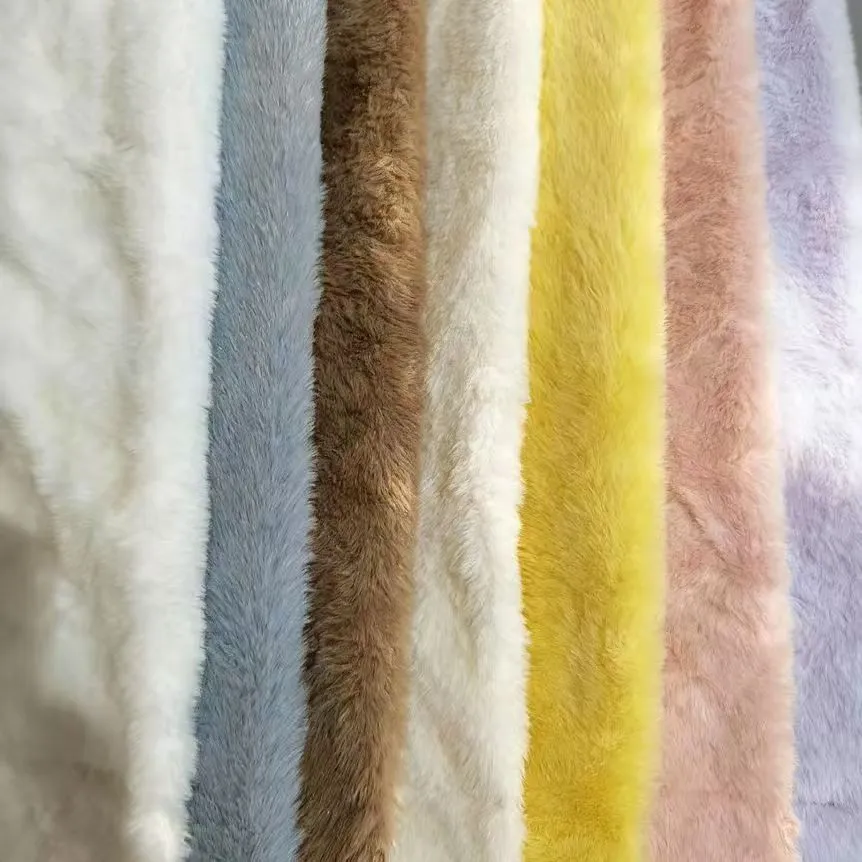
After the pattern direction is confirmed, suitable materials are selected for the sample. Different plush slipper projects may require different fabrics, linings, fillings, soles, labels, and packaging materials.
Plush Fabrics
Options may include faux fur plush, teddy fleece, sherpa fleece, coral fleece, chenille plush, and velvet plush.
Sole Materials
EVA, TPR, rubber, and dotted fabric soles can be selected based on comfort, cost, flexibility, and anti-slip needs.
Logo Methods
Embroidery logos, woven labels, heat transfer logos, hang tags, and sole logos can be reviewed during sample development.
Packaging Direction
Poly bags, drawstring bags, printed boxes, barcode labels, and retail packaging can be prepared according to the project.
Step 3: First Sample Production
Once the patterns and materials are ready, our sample team produces the first physical sample. This sample helps confirm whether the design works well in real materials instead of only on paper.
For animal plush slippers, this step is especially important because ears, tails, facial expressions, embroidery details, and three-dimensional plush parts can strongly affect the final appearance.
What We Check in the First Sample
We review the overall shape, comfort, fit, material feel, facial expression, logo placement, sole matching, stitching quality, and whether the sample matches the intended design direction.
Step 4: Sample Review & Revisions
After the first sample is completed, the customer reviews the product and provides feedback. If the sample does not fully meet the expected result, revisions can be made before bulk production.
- Color adjustment
- Facial expression revision
- Material replacement
- Logo position update
- Sole structure change
- Size or fit adjustment
- Packaging detail confirmation
These revisions help improve the final product and reduce the risk of bulk order problems.
Step 5: Final Sample Approval
When all revisions are completed, the customer approves the final sample. At this stage, key specifications such as materials, colors, sizes, logo methods, packaging details, and construction standards are confirmed.
The approved sample becomes the official reference for bulk production.
Step 6: Production Reference Sample
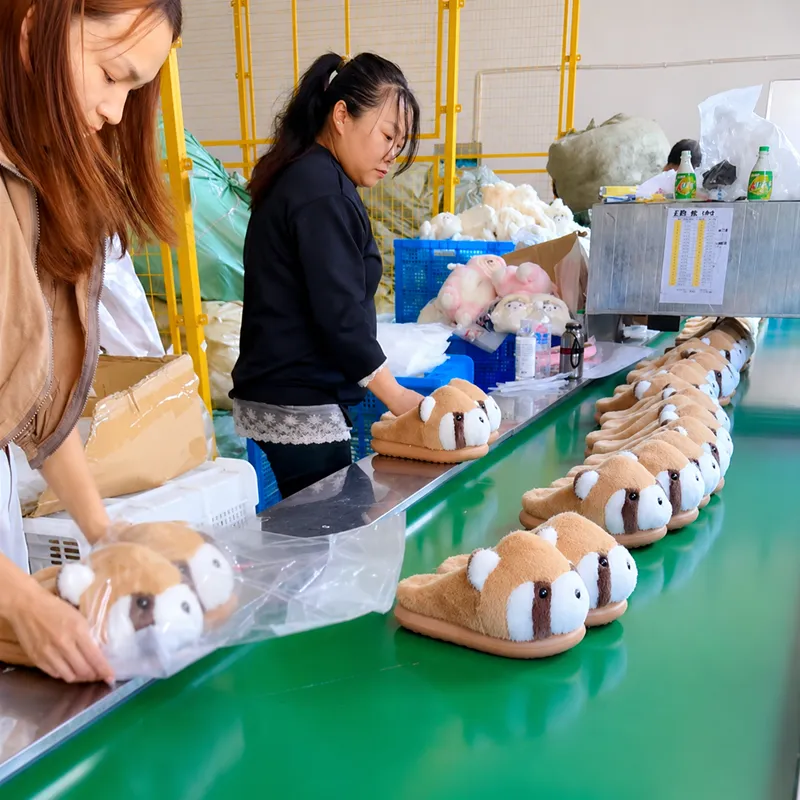
Before mass production begins, the approved sample is retained as a production reference. Production workers and quality inspectors use it to compare shape, materials, dimensions, stitching, sole attachment, logo details, and packaging requirements.
This helps keep bulk production consistent with the approved sample.