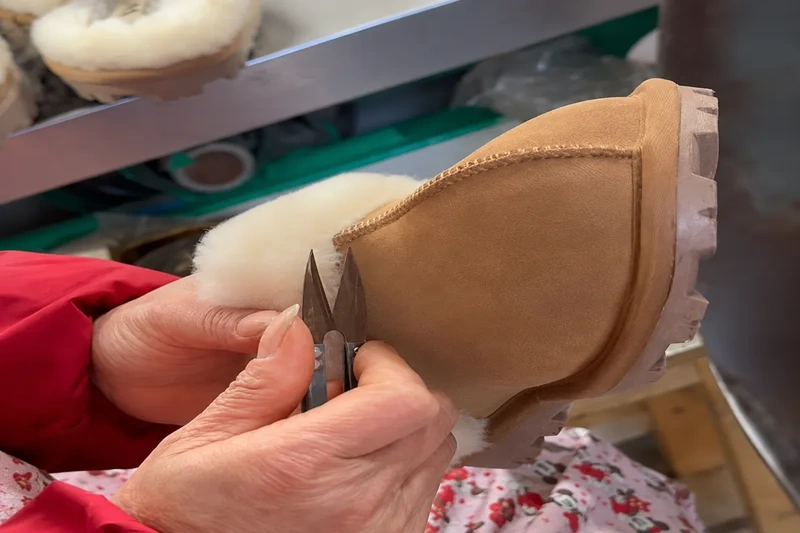
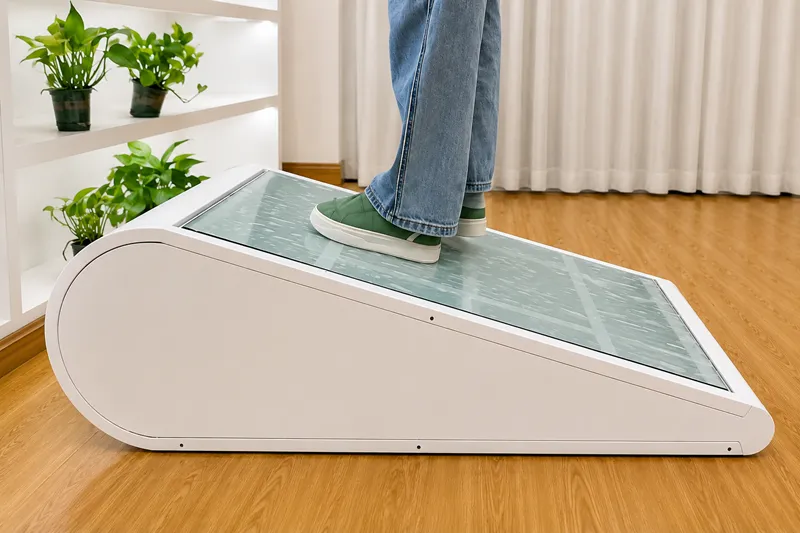
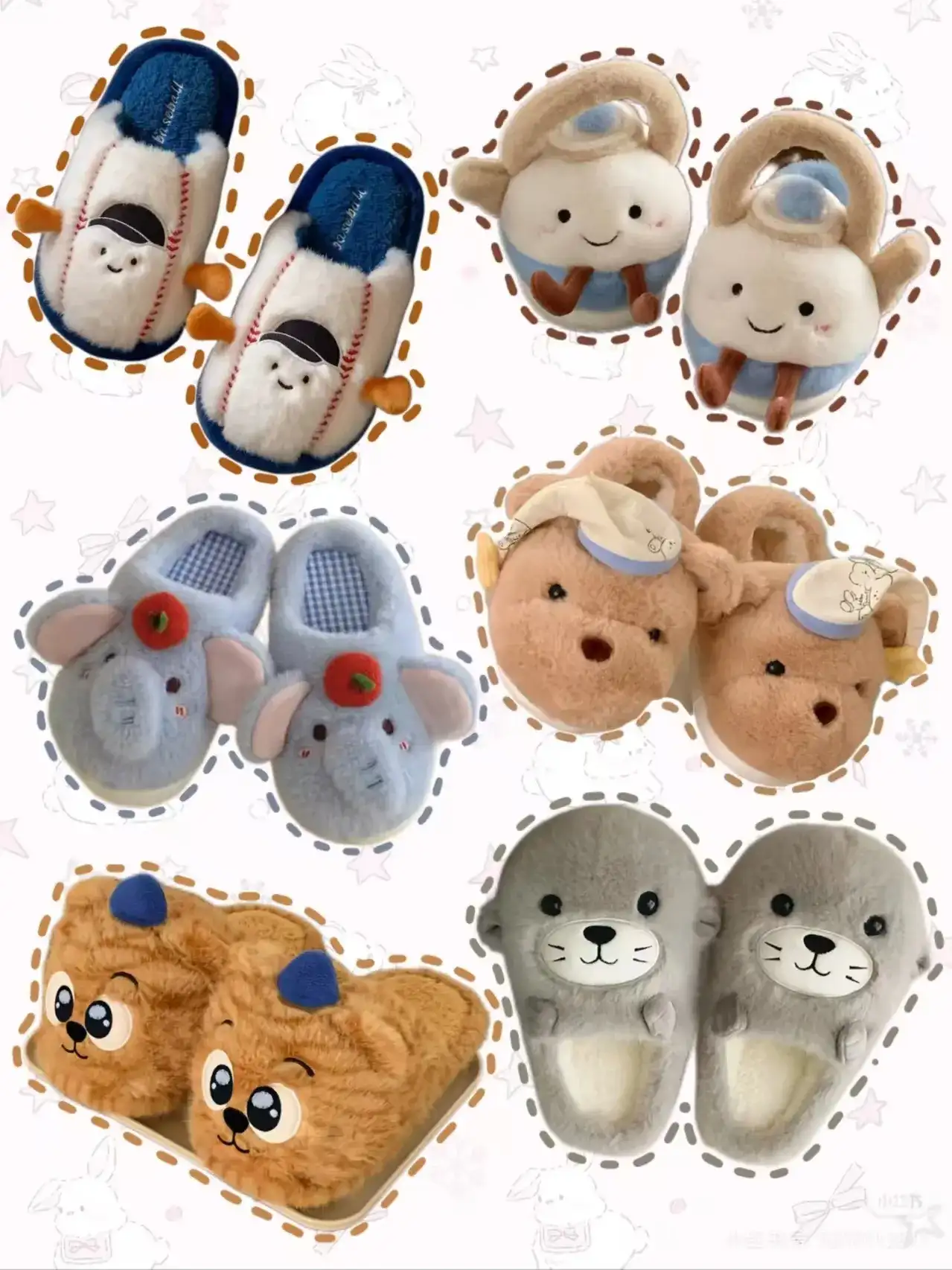
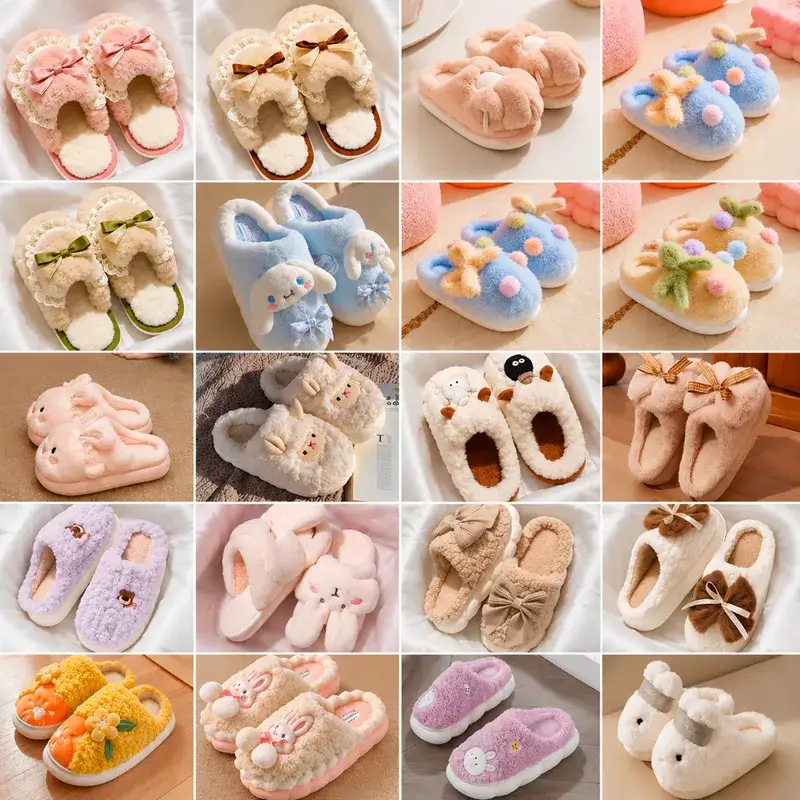
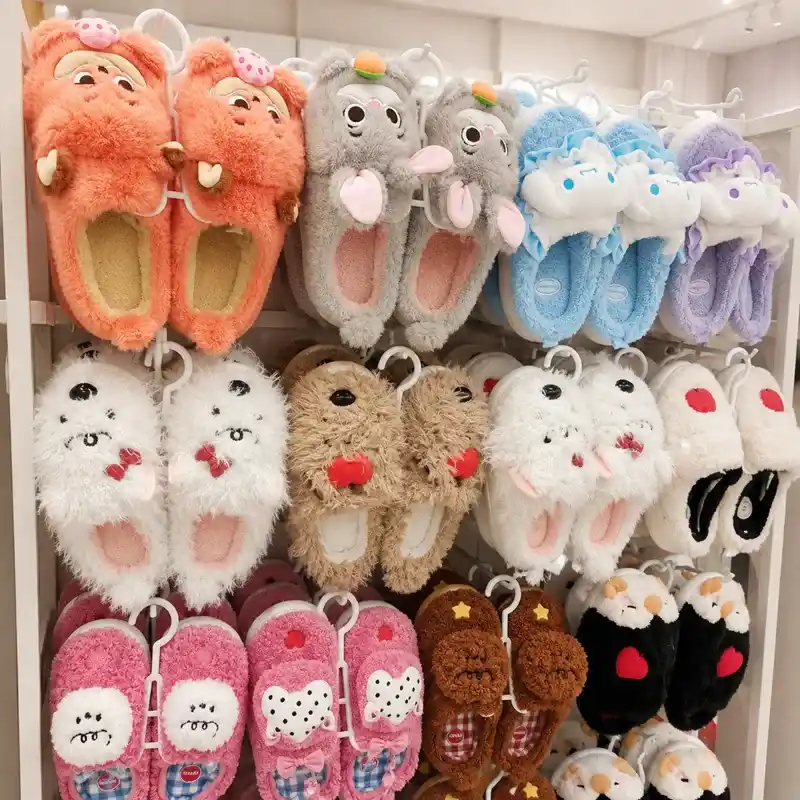
At CustomPlushSlippers, size measurement inspection is an important quality control step used to confirm whether custom plush slippers match the buyer’s approved size chart and order requirements before bulk orders move to packing.
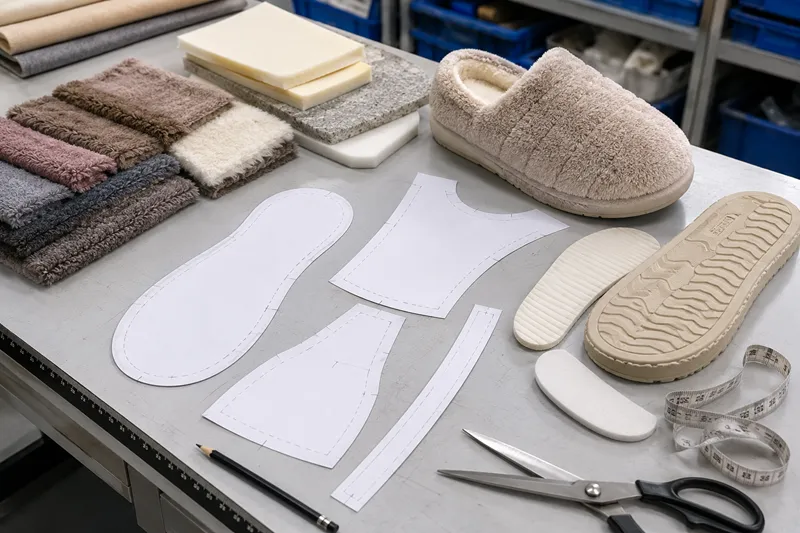
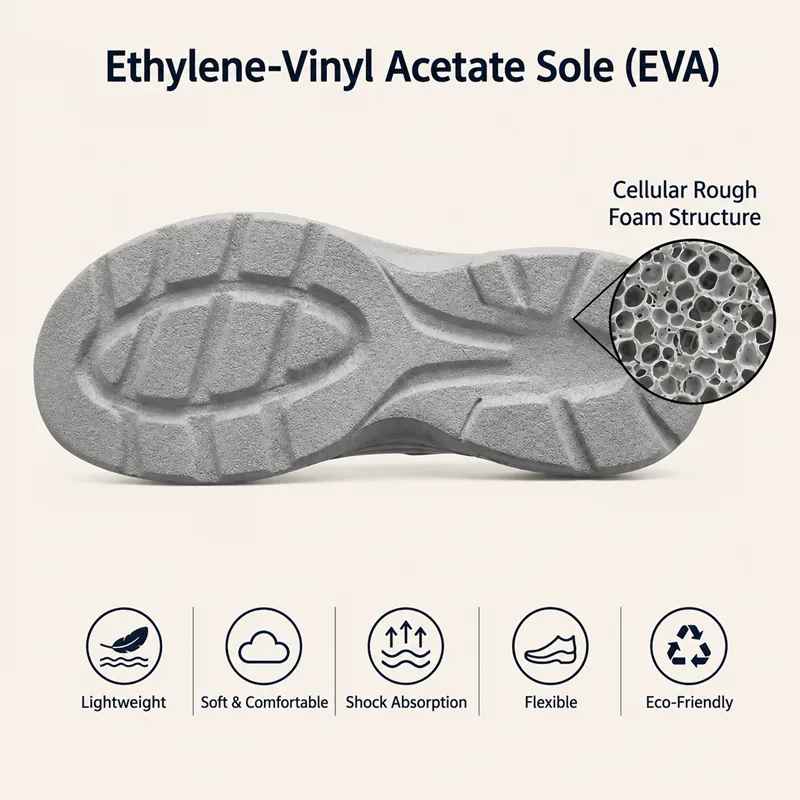
For plush slipper production, size control is not only about measuring length and width. Because plush slippers are made with soft fabrics, filling materials, foam layers, and flexible soles, the finished size can be affected by fabric thickness, sewing tension, upper shape, sole matching, and inner wearing space.
That is why size measurement inspection works together with material inspection, stitching inspection, sole attachment checks, and packing inspection to help keep bulk plush slipper orders more consistent.
Why Size Measurement Inspection Matters
Bulk plush slipper orders often include multiple sizes, color ratios, styles, or private label requirements. If the size is not checked properly, common problems may appear after delivery, such as mixed sizes, wrong labels, inconsistent left and right slippers, uncomfortable fit, or slippers that do not match the buyer’s approved sample.
For wholesalers, private label brands, Amazon sellers, hotel buyers, gift suppliers, and retail projects, size accuracy affects warehouse handling, customer reviews, retail sales, and repeat orders.
Size measurement inspection helps confirm whether the slippers are suitable before they are packed into bags, boxes, or cartons.
Main Size Measurement Inspection Points
1. Approved Size Chart Confirmation
Before measurement starts, workers need to check the buyer’s approved size chart, confirmed sample, or order requirement.
- Slipper length
- Slipper width
- Inner length
- Sole length
- Sole width
- Size label information
- Buyer’s approved tolerance
- Size ratio for bulk orders
2. Slipper Length Measurement
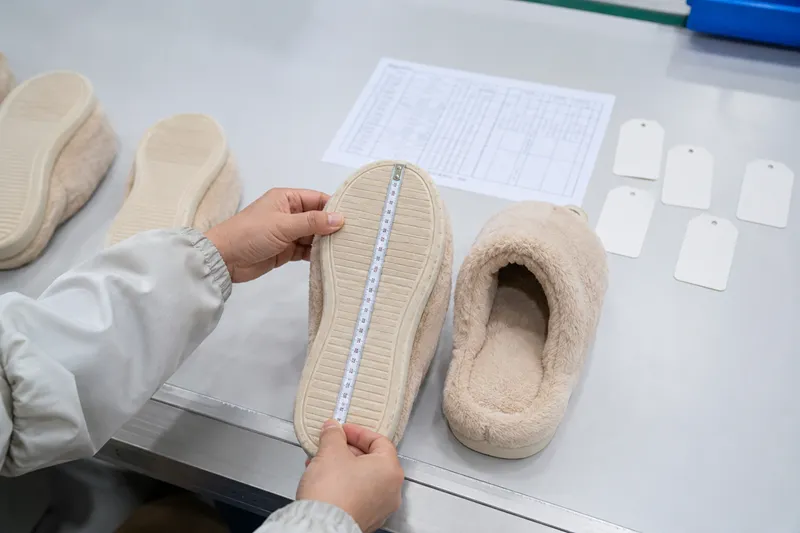
Slipper length is one of the most basic size inspection points. Workers may measure the overall length of the slipper or the sole length depending on the product structure and buyer’s requirement.
- Whether the slipper length matches the approved size chart
- Whether the left and right slippers are similar in length
- Whether different sizes are clearly separated
- Whether the measured length is within the approved tolerance
- Whether the length is consistent across bulk production
3. Slipper Width Measurement
Slipper width affects comfort, wearing space, and overall appearance. Workers may check whether the width of the slipper matches the confirmed sample or size chart.
- Whether the slipper width is correct
- Whether the left and right slippers are similar in width
- Whether the toe area looks too narrow or too wide
- Whether the upper shape affects the measured width
- Whether the width is suitable for the intended size group
4. Inner Length and Wearing Space Check
For plush slippers, inner wearing space can be affected by plush thickness, lining material, foam padding, and filling. Even if the outside measurement looks correct, the inside space may still feel different.
- Whether the inner length is close to the approved sample
- Whether the lining reduces too much wearing space
- Whether the toe area has enough room
- Whether the plush thickness affects comfort
- Whether the inside shape feels suitable for normal wearing
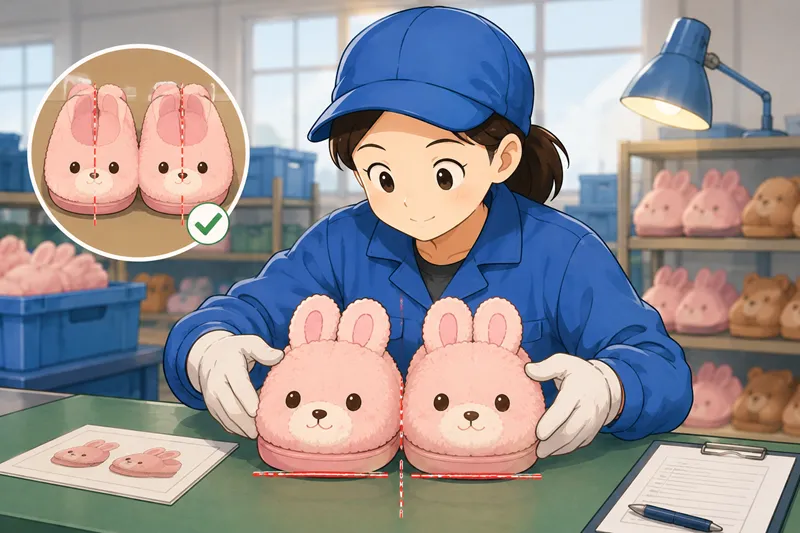
5. Left and Right Pair Size Matching
Each pair of slippers should be checked to confirm that the left and right slippers match each other. This is especially important for bulk orders with multiple sizes or colors.
- Whether the left and right slippers are the same size
- Whether the left and right soles match
- Whether the upper shape looks balanced
- Whether the opening height is similar
- Whether the toe area looks consistent
- Whether the pair is correctly matched before packing
6. Upper Shape and Opening Check
Size measurement is also related to upper shape. If the upper is twisted, compressed, or sewn unevenly, the slipper may not fit correctly even when the sole size is correct.
- Whether the opening is even
- Whether the upper height is consistent
- Whether the slipper shape is distorted
- Whether the toe area is full and smooth
- Whether the heel area is properly shaped
- Whether the upper fits the sole size correctly
7. Sole Size Matching Check
The sole should match the upper size correctly. If the sole is too large or too small for the upper, the finished slipper may look uneven or feel uncomfortable.
- Whether the sole size matches the upper size
- Whether the sole length is suitable
- Whether the sole width is suitable
- Whether the upper sits correctly on the sole
- Whether there is obvious size mismatch after attachment
- Whether the left and right soles are paired correctly
8. Size Label and Hang Tag Check
For retail, private label, Amazon, and hotel orders, size information must match the actual product. A slipper may be made correctly, but if the size label is wrong, it can still create problems for the buyer.
- Size labels
- Hang tags
- Packaging stickers
- SKU labels
- Carton size information
- Color and size ratio information
- Consistency between product size and label size
9. Size Ratio Check for Bulk Orders
Bulk orders often include different size ratios. For example, a buyer may require a certain quantity of S, M, L, and XL, or a specific ratio for men’s, women’s, and children’s sizes.
- Whether each size quantity matches the packing plan
- Whether the size ratio matches the purchase order
- Whether different sizes are separated correctly
- Whether mixed sizes are avoided before packing
- Whether the carton quantity matches the size breakdown
10. Random Measurement Before Packing
Before packing, finished slippers may be randomly checked again to confirm size consistency. This spot check helps detect obvious size problems before the order leaves the factory.
- Measuring selected pairs from different sizes
- Comparing finished slippers with the approved sample
- Checking left and right pair consistency
- Confirming size labels and packaging stickers
- Checking whether carton size information matches the packing list
What Happens If Size Problems Are Found
If size problems are found during inspection, the affected slippers may be separated, rechecked, repaired, or repacked depending on the issue.
- Separating incorrect sizes
- Rechecking against the approved size chart
- Correcting mismatched left and right pairs
- Replacing incorrect size labels
- Repacking products with wrong packaging stickers
- Reviewing upper and sole matching
- Checking whether the issue affects one size or a full batch
- Preventing mixed-size products from entering cartons
Why This Matters for Bulk Buyers
Size measurement inspection helps reduce common problems such as mixed sizes, wrong labels, inconsistent pairs, poor fit, incorrect size ratios, and carton information errors.
For custom plush slipper buyers, this step is especially important because bulk orders often involve multiple sizes, soft materials, thick plush lining, private label tags, custom packaging, and different color or size combinations.
At CustomPlushSlippers, size measurement inspection works together with material inspection, stitching quality inspection, sole attachment checks, anti-slip sole checks, plush surface finishing, and packing inspection to help improve consistency before bulk plush slipper orders are shipped.
Need Better Size Control for Bulk Plush Slipper Orders?
Tell us your slipper style, size chart, size ratio, sole type, label requirements, and packaging needs. Our team can help review the size details before bulk custom plush slipper production moves forward.
Contact Us