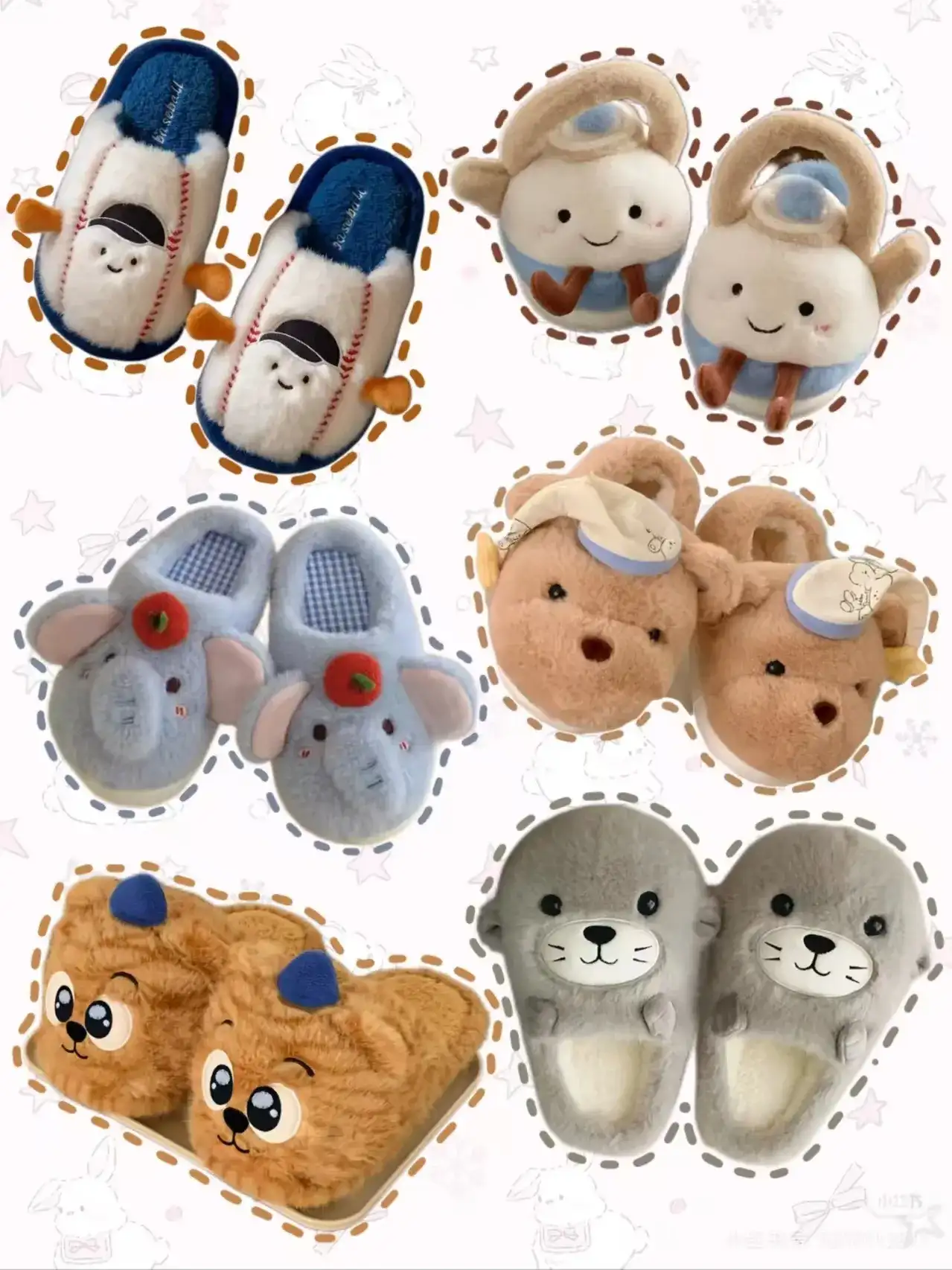
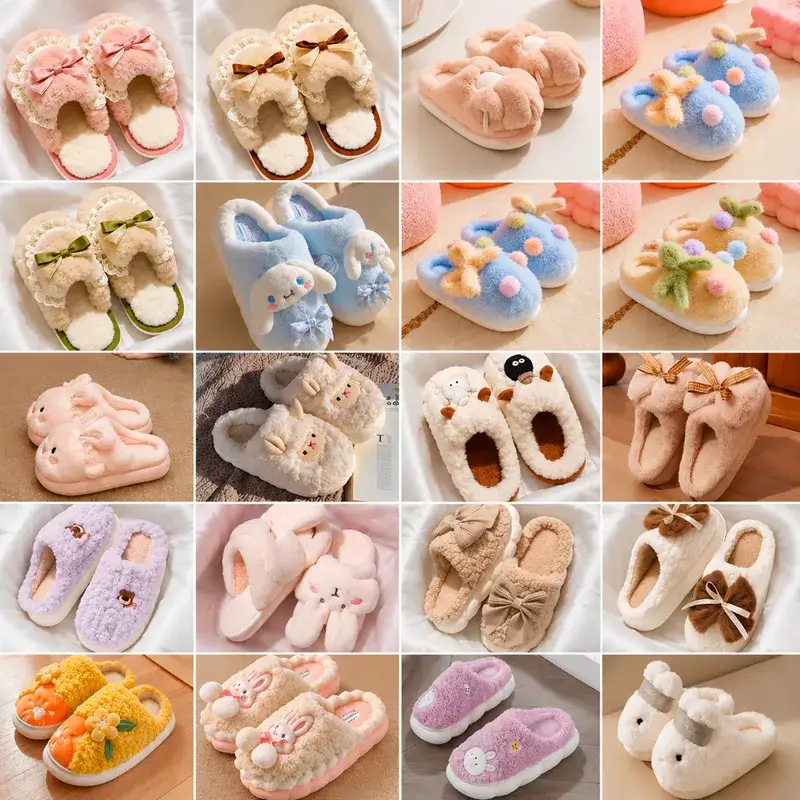
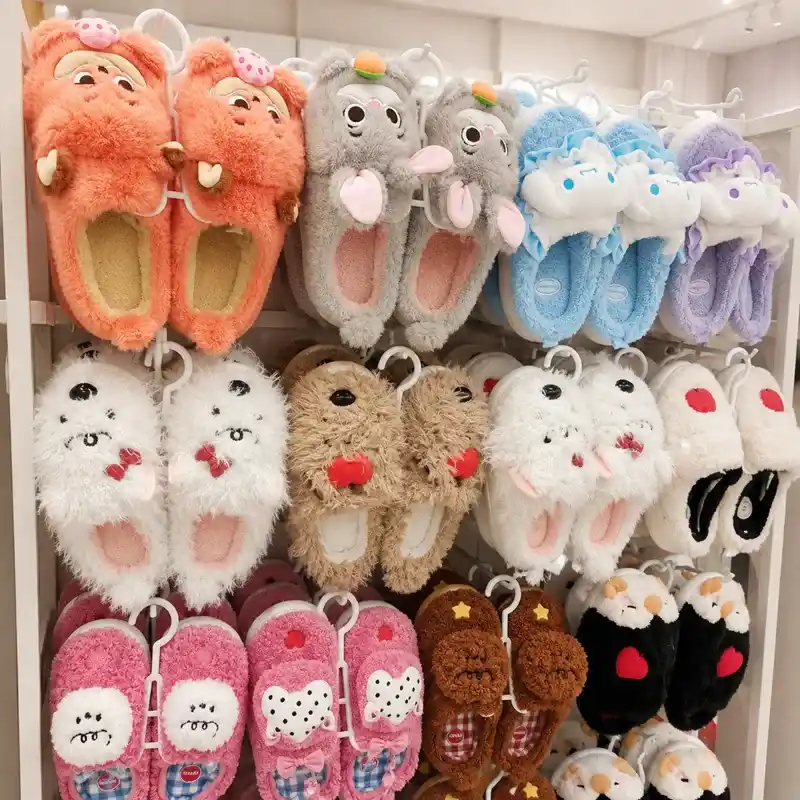
Start With Your Project Type, Not the Material
Many buyers start a custom slipper project by asking whether they should choose EVA soles, TPR soles, rubber soles, or fabric soles.
In real sourcing projects, however, the better starting point is not the material name. It is the product type, target market, price range, sales channel, and intended use.
A sole that works well for hotel guest slippers may not be suitable for an Amazon private label product. A lightweight indoor plush slipper may feel comfortable at home, but it may wear quickly if customers use it outdoors.
| Project Type | Typical Sole Choice | Why It Is Commonly Used |
|---|---|---|
| Hotel Guest Slippers | Dotted Fabric | Lightweight, cost-effective, suitable for short-term indoor use |
| Spa Slippers | Dotted Fabric / EVA | Soft, quiet, and comfortable for indoor environments |
| Amazon Private Label | EVA / TPR | EVA supports cost control; TPR supports better grip and durability |
| Retail Brands | EVA / TPR | Chosen based on price positioning and expected product quality |
| Premium Retail Collections | TPR / Rubber | Better traction, durability, and a more substantial product feel |
| Export-Oriented Brand Projects | TPR | Often used when buyers care more about grip, durability, and testing requirements |
| Luxury Indoor-Outdoor Slippers | Rubber | Suitable for stronger wear resistance and higher-end positioning |
| UGG-Style Plush Slippers | EVA | Lightweight, soft, and suitable for comfort-focused indoor wear |
This table is not a fixed rule. It reflects common sourcing logic in custom plush slipper development. The best sole depends on the buyer’s product positioning and real usage scenario.
How Sole Specifications Are Developed Before Production
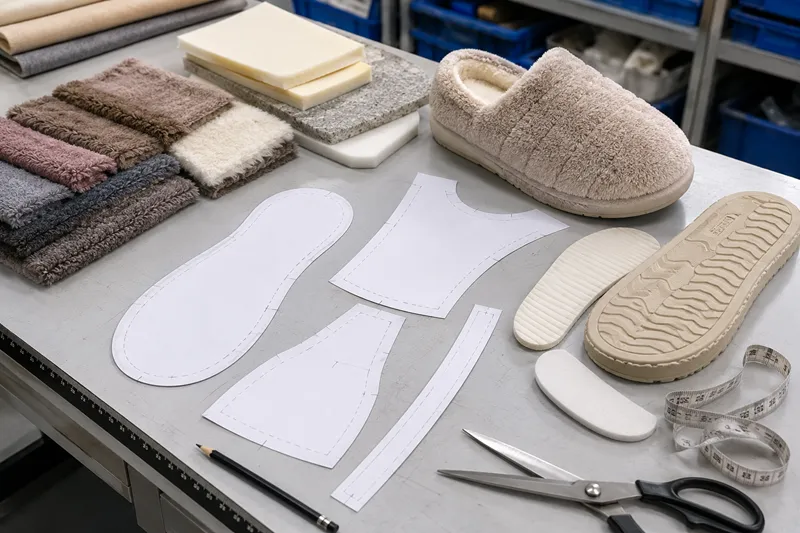
In custom plush slipper production, sole specifications are usually confirmed during the sample development stage. Buyers provide requirements, and the manufacturer or sole supplier adjusts the sole solution based on those requirements.
Common specifications include:
- Sole material: EVA, TPR, rubber, or dotted fabric
- Sole thickness
- Sole hardness
- Sole weight
- Flexibility and rebound
- Anti-slip performance
- Color and size range
- Testing or compliance requirements
For EVA and TPR soles, the supplier may adjust the material formula during sampling to match the required softness, weight, grip, and durability. Once the sample is approved, the confirmed sole formula and specifications become the reference for bulk production.
In many custom slipper projects, quality consistency starts with material selection, formula adjustment, and approved samples — not only with final inspection.
If the buyer requires specific performance or compliance documents, approved samples can be sent to a third-party laboratory before mass production.
EVA Soles: Lightweight, Comfortable, and Suitable for Everyday Plush Slippers
EVA is one of the most common sole materials used in plush slippers. It is lightweight, soft, and cost-effective, making it a practical option for fast-moving retail products, gift slippers, and indoor plush slipper projects.
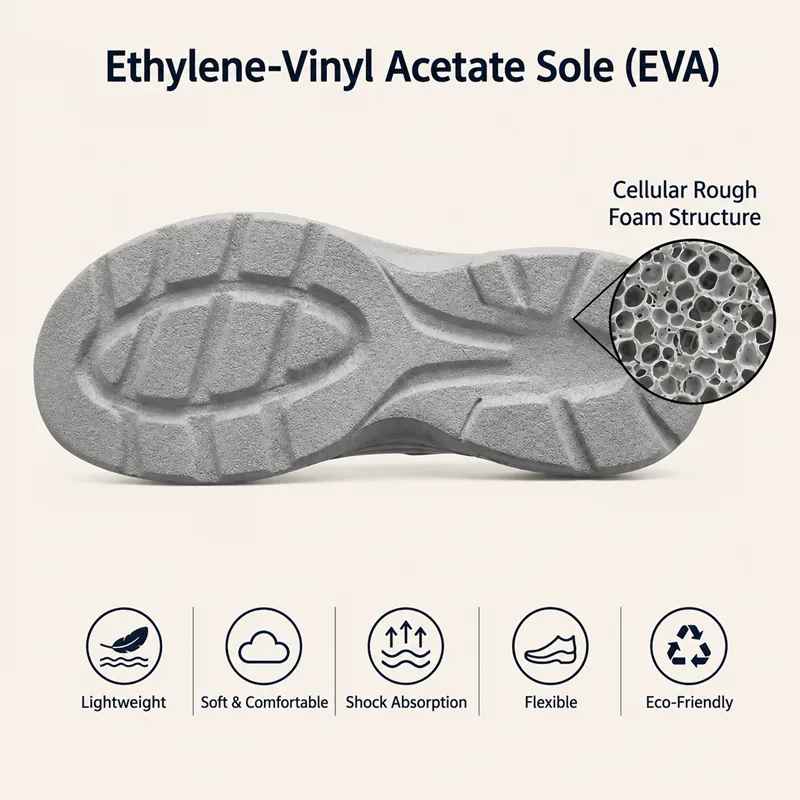
Best For
- Animal plush slippers
- Character slippers
- Gift and promotional slippers
- Amazon and e-commerce products
- Comfort-focused indoor slippers
- UGG-style plush slipper designs
For buyers who want to balance comfort, weight, and cost, EVA is often a safe starting point. It is especially suitable for projects where softness and lightweight construction matter more than heavy-duty outdoor durability.
Buyer Notes
- EVA is often used for cost-sensitive and fast-moving projects.
- It is usually lighter than TPR and rubber.
- Its anti-slip and wear resistance depend on material quality, formula, and sole pattern.
- It is more suitable for indoor use than frequent outdoor wear.
TPR Soles: Better Grip for Home, Hotel, and Premium Projects
TPR, or thermoplastic rubber, is widely used in custom slipper projects that require better grip, improved durability, and a more upgraded feel compared with basic low-cost sole options.
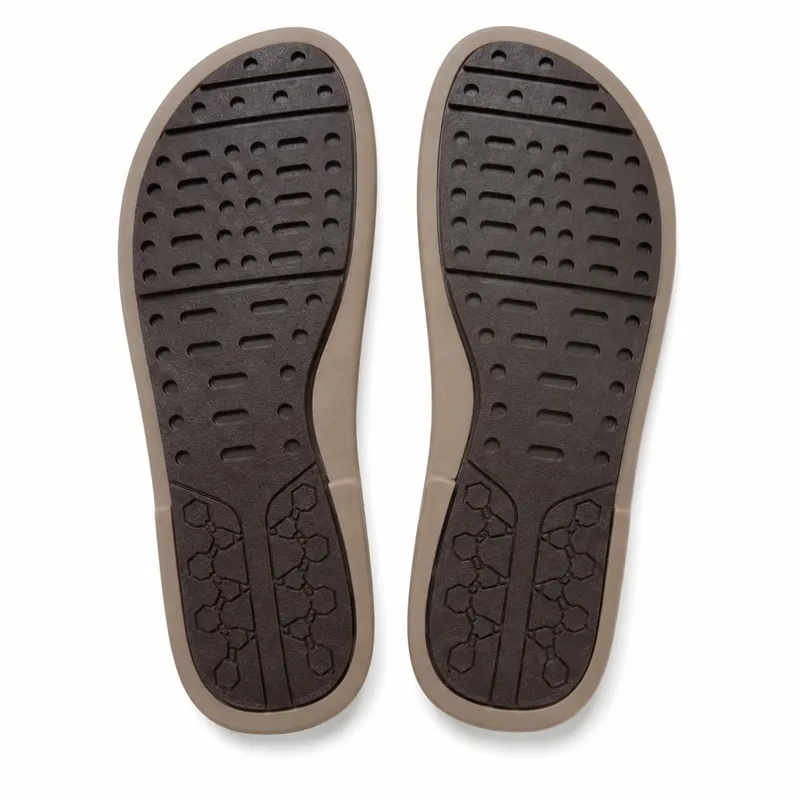
Compared with EVA, TPR is often preferred when anti-slip performance is more important. It is commonly used for daily home slippers, hotel slippers, and mid-range to premium plush slipper projects.
Best For
- Home slippers
- Hotel and resort slippers
- Private label plush slippers
- Retail collections
- Projects requiring better anti-slip performance
- Mid-range and premium slipper designs
TPR is not automatically “better” for every project. It is more suitable when buyers need stronger grip, better durability, and a more premium product feel.
Rubber Soles: A Premium Option for Indoor-Outdoor Slippers
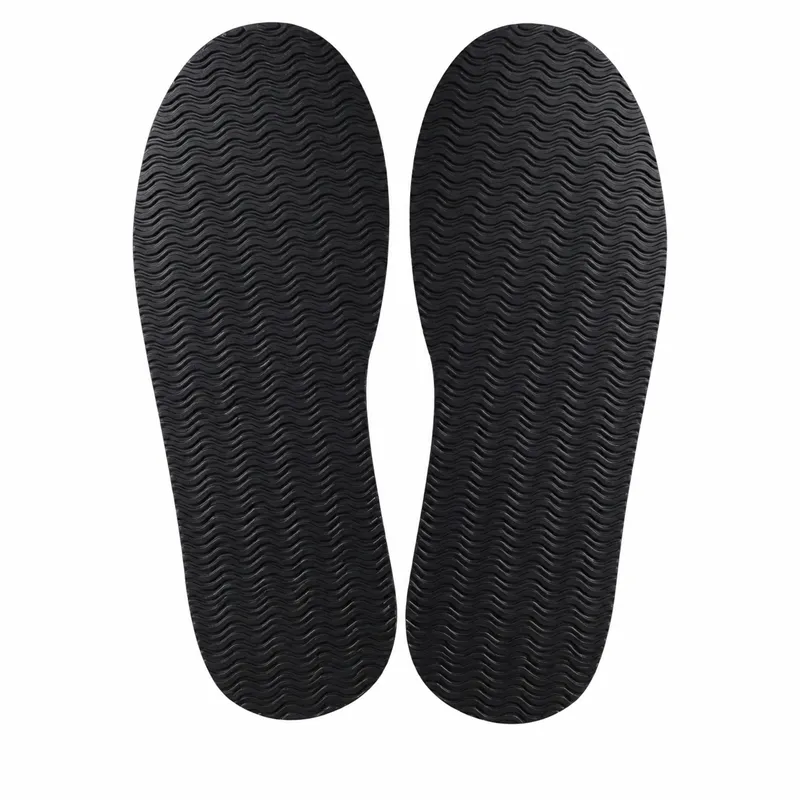
Rubber soles are often used when durability and traction are the main priorities. Although they are heavier and more expensive than EVA or TPR, they can be suitable for premium plush slippers designed for stronger wear resistance.
Best For
- Luxury indoor-outdoor slippers
- Premium retail collections
- Resort and hospitality upgrades
- Products requiring stronger traction
- Projects that require stronger wear resistance
Rubber is not necessary for every plush slipper project. However, for high-end brands that want stronger traction, longer product life, and a more substantial outsole, rubber can be a valuable option.
Not Sure Which Sole Fits Your Project?
Tell us your target market, order quantity, budget range, and intended use. We can help recommend a suitable sole option for your custom plush slipper project.
Request a Sole RecommendationDotted Fabric Soles: A Practical Solution for Hotel and Spa Projects
Dotted fabric soles are commonly used for hotel guest slippers, spa slippers, and other indoor hospitality products. They feature anti-slip dots on a textile base and are designed mainly for short-term indoor use.
Best For
- Hotel guest room slippers
- Spa slippers
- Budget-focused hospitality projects
- Lightweight indoor products
- Short-term indoor use
Their main advantages are low cost, lightweight construction, and quiet indoor use. They are not designed for heavy outdoor wear, but they remain a practical choice for many hospitality projects.
Why Intended Use Matters More Than Material Name
One of the most common sourcing mistakes is choosing a sole based only on material type instead of actual usage conditions.
For example, a lightweight EVA sole designed for indoor plush slippers may perform well in bedrooms, hotels, and home environments. However, if the same slipper is frequently worn outdoors, the sole may wear faster than expected.
In this situation, the issue is not always poor material quality. The sole may simply be used in an environment it was not designed for.
That is why experienced manufacturers usually recommend starting with intended use before discussing EVA, TPR, rubber, or fabric sole options.
How Sole Selection Affects Product Cost
Sole material is often one of the key cost variables in a slipper project. In general, the cost level moves from dotted fabric to EVA, TPR, and rubber.
| Sole Type | Comfort | Durability | Grip | Weight | Cost |
|---|---|---|---|---|---|
| Dotted Fabric | Medium | Low | Medium | Very Light | Very Low |
| EVA | High | Medium | Medium | Light | Low to Medium |
| TPR | High | High | High | Medium | Medium |
| Rubber | Medium | Very High | Very High | Heavy | High |
For large-volume orders, even a small cost difference per pair can create a significant difference in the total project budget. This is why sole selection should be discussed early in product development.
How Sole Selection Affects Shipping Costs
Shipping cost is another factor that buyers often overlook. Different sole materials contribute differently to total product weight.
EVA and dotted fabric soles are generally lighter, while TPR is moderately heavier and rubber is usually the heaviest option. For international shipments, especially air freight projects, these differences can affect logistics costs.
Common Sole Quality Checks Before Bulk Production
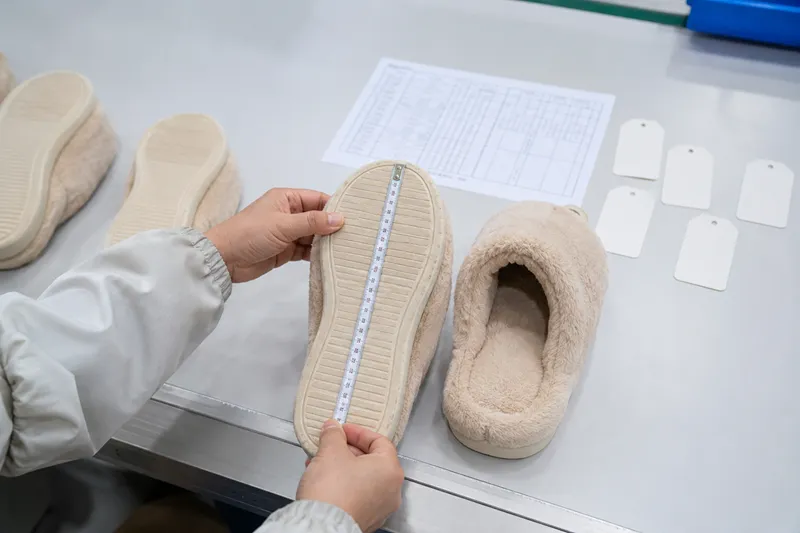
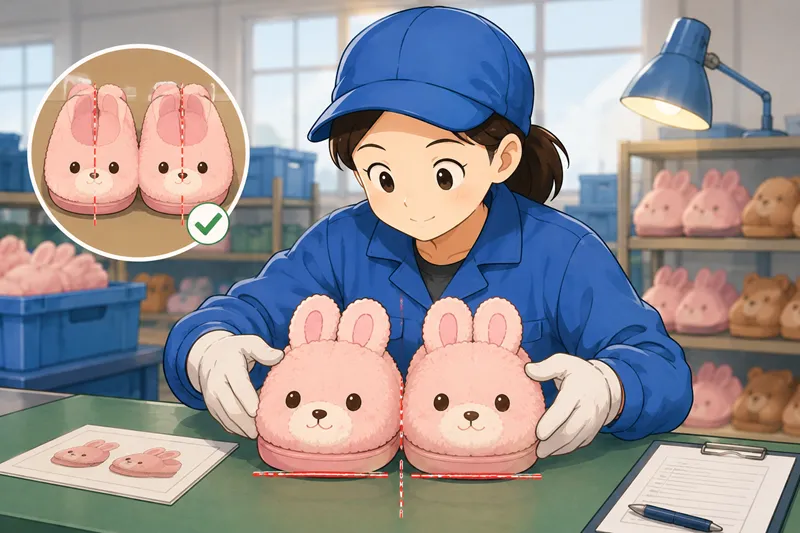
Before mass production, manufacturers usually confirm the approved sample and key sole specifications. Factory quality control is mainly used to confirm whether bulk production matches the approved sample and agreed requirements.
Common checks may include:
- Weight check
- Thickness check
- Hardness check
- Size consistency check
- Visual inspection for defects
- Anti-slip performance check when required
- Tensile or pull testing when required
If buyers require formal testing reports, samples can be sent to third-party testing laboratories. For export-oriented projects, buyers may also request specific compliance or safety documents.
Material Compliance Considerations for Export Projects
For export-oriented plush slipper projects, material performance is not the only concern. Buyers may also request compliance documents or third-party testing reports depending on the destination market and sales channel.
Common requirements may include REACH, CPSIA, CA65, or other material safety and chemical compliance tests. TPR soles are frequently used in projects where buyers place greater emphasis on grip, durability, documentation, and overseas retail requirements.
However, compliance should never be assumed based only on the material name. The final result always depends on the specific formula, supplier, and test report.
Our Recommendation
Choose EVA If:
- You want a lightweight and comfortable slipper
- You sell through e-commerce or retail channels
- You need to control product weight and cost
- The product is mainly for indoor use
- You are developing fast-moving retail or gift slippers
Choose TPR If:
- You need better grip and durability
- You are developing home, hotel, or premium slippers
- You want a more upgraded product feel
- The slippers may be used on smooth indoor floors
- You have higher quality or export requirements
Choose Rubber If:
- You are targeting a premium market
- Indoor-outdoor use is important
- Long-term wear resistance matters
- You need stronger traction and durability
Choose Dotted Fabric If:
- You are sourcing hotel or spa slippers
- Cost efficiency is the main priority
- The product is intended for short-term indoor use
- You need a lightweight hospitality slipper solution
Final Thoughts
The best sole for custom plush slippers is not necessarily the most expensive one. It is the one that best matches your target customer, product positioning, budget, market requirements, and usage scenario.
EVA supports lightweight comfort and cost control. TPR supports better grip, durability, and a more premium feel. Rubber supports stronger wear resistance and indoor-outdoor positioning. Dotted fabric supports hotel, spa, and short-term indoor applications.
For custom projects, sole selection should begin with product requirements, followed by sample development, specification confirmation, and testing if required.
Frequently Asked Questions
Which sole material is best for custom plush slippers?
There is no single best option. EVA, TPR, rubber, and dotted fabric soles each serve different project needs. The best choice depends on your target market, budget, intended use, and product positioning.
Why do many export projects use TPR soles?
TPR is commonly selected for export-oriented plush slipper projects because it offers good grip, durability, flexibility, and is often associated with projects requiring better quality control or testing documentation.
Are rubber soles suitable for plush slippers?
Yes. Rubber soles are suitable for premium indoor-outdoor plush slippers where durability and traction are important. However, they are heavier and more expensive than EVA or dotted fabric soles.
Which sole is best for hotel slippers?
Dotted fabric soles are commonly used for hotel and spa slippers because they are lightweight, cost-effective, and suitable for short-term indoor guest room use. TPR may be considered when better grip or a more premium guest experience is required.
Does sole material affect shipping costs?
Yes. Heavier sole materials increase total shipment weight, which can affect freight costs for international orders. EVA and dotted fabric are generally lighter, while TPR and rubber are heavier.
Can sole specifications be adjusted during sampling?
Yes. For custom projects, sole suppliers may adjust hardness, thickness, weight, flexibility, color, and grip during the sampling stage. Once the approved sample is confirmed, those specifications become the reference for bulk production.
Need Help Choosing a Sole for Your Custom Plush Slippers?
Share your design idea, target market, budget range, intended use, and expected order quantity. Our team can help recommend EVA, TPR, rubber, or dotted fabric sole options based on your project needs.
Contact Us for Custom Options