Custom Materials for Plush Slippers: Fabric, Filling & Sole Options
Different materials affect not only the appearance, but also comfort, durability, and overall product positioning.
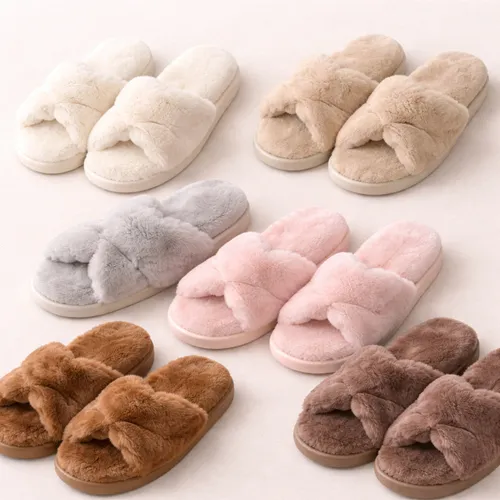
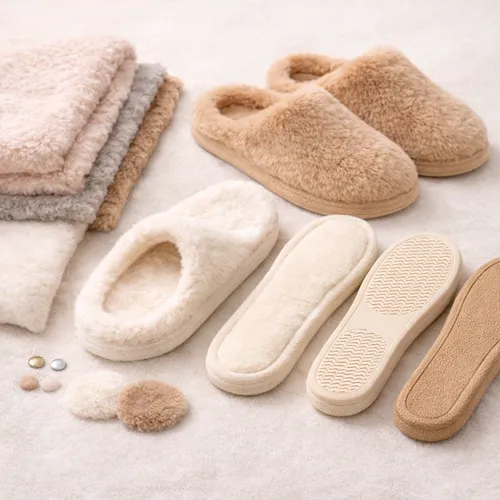
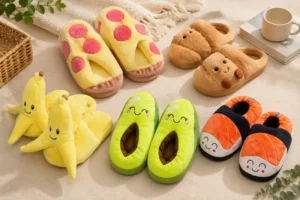
We offer a full range of customizable materials for upper fabrics, inner filling, and soles to meet different market needs — from cost-effective promotional products to premium retail collections.
- Custom Logos
- Custom Animals
- Custom Characters
- Custom Structures
- Custom Holiday Themes
- Custom Functional Features
- Custom Packaging
PART 1 — Upper Materials
The upper material plays a key role in the overall appearance, texture, and style of plush slippers.
Different fabrics create different visual effects and product positioning, from cute and cozy designs to more premium and fashion-oriented styles.
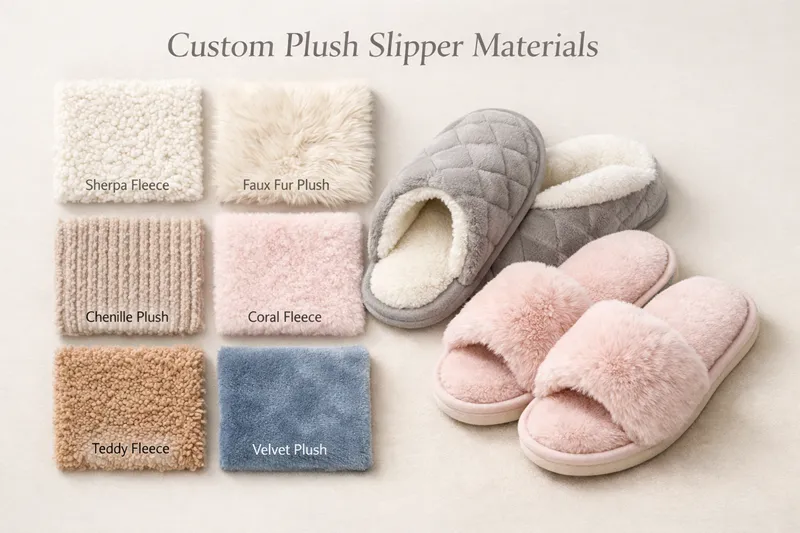
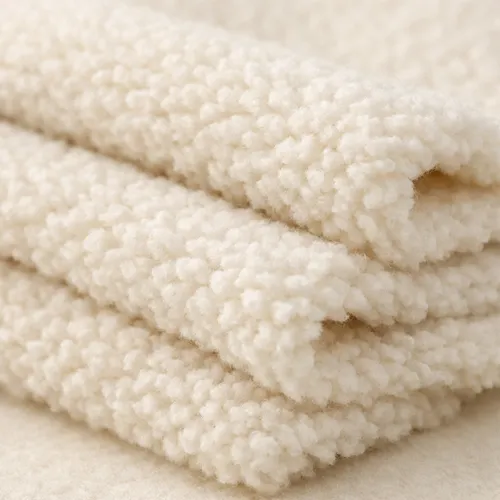
Sherpa Fleece
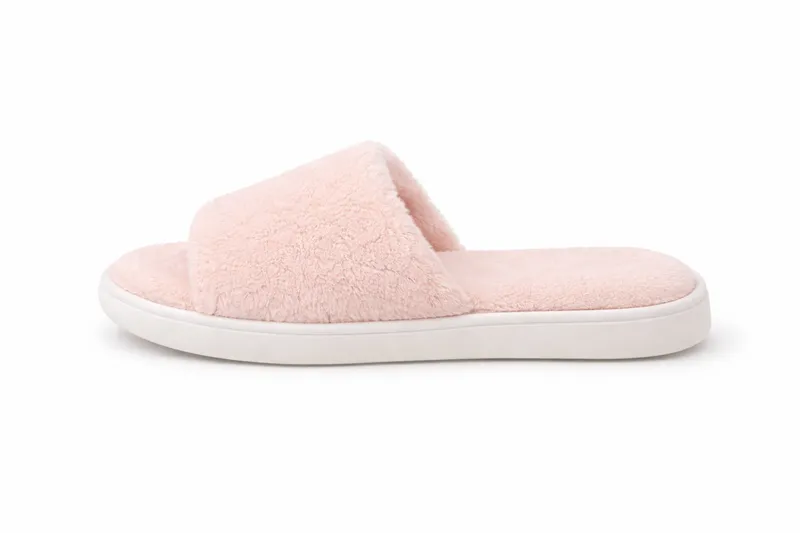
Sherpa fleece is a soft, textured material known for its warm and cozy appearance.
It features a fluffy, wool-like surface that creates a strong visual sense of comfort, making it a popular choice for winter slippers and homewear products.
Best for:
• Winter indoor slippers
• Cozy homewear collections
• Gift and seasonal products
• Brands targeting comfort-focused users
Notes:
• Creates a thick and warm visual effect
• Slightly bulkier than standard plush fabrics
• Suitable for cold-weather markets
• Works well with memory foam for added comfort
Learn More at:Sherpa Fleece
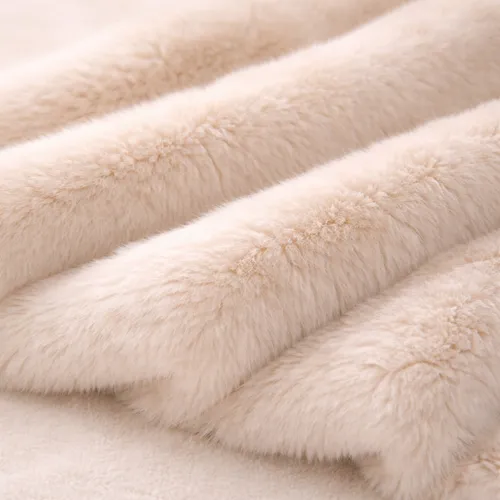
Faux Fur Plush
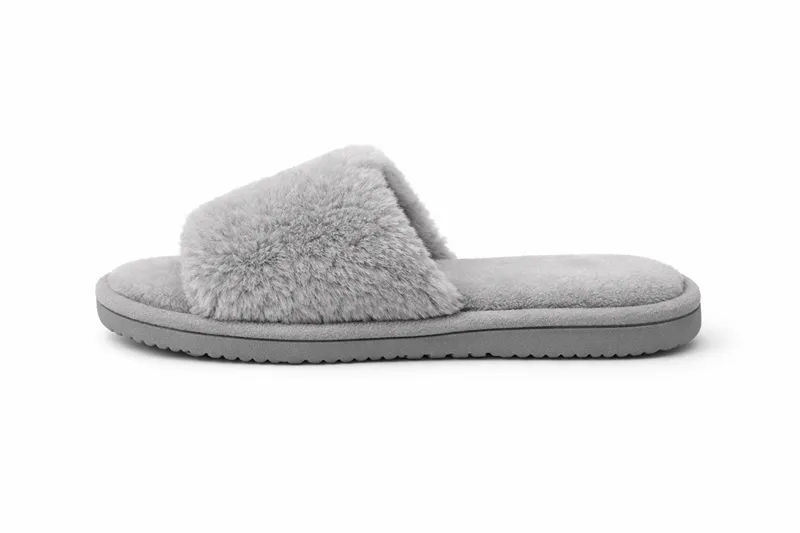
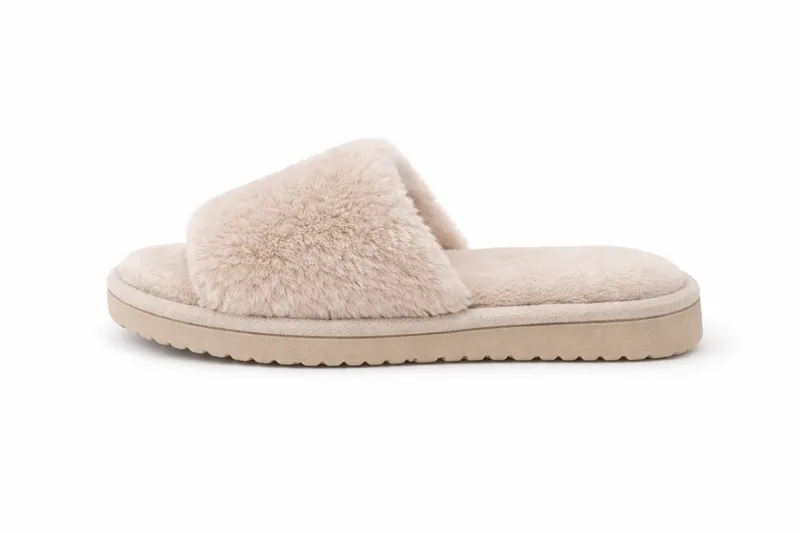
Faux fur offers a more premium and stylish appearance compared to standard plush.
It is often used in fashion-oriented slipper designs and retail collections where visual appeal and texture play a key role.
Best for:
• Retail brands
• Premium gift collections
• Fashion slippers
Notes:
• Higher cost than standard plush
• Strong visual differentiation
Learn More at:Faux Fur Plush
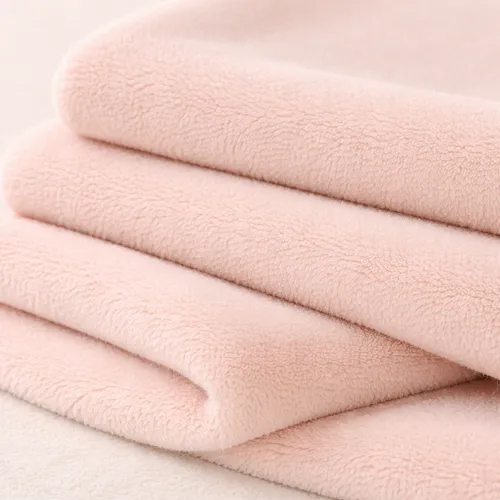
Coral Fleece
Coral fleece is a lightweight and cost-effective material with a soft touch.
It is commonly used for large-volume production where cost control is important.
Best for:
• Promotional slippers
• Budget projects
• Large-volume orders
Notes:
• Lower cost than plush or faux fur
• Suitable for simple designs
Learn More at:Coral Fleece
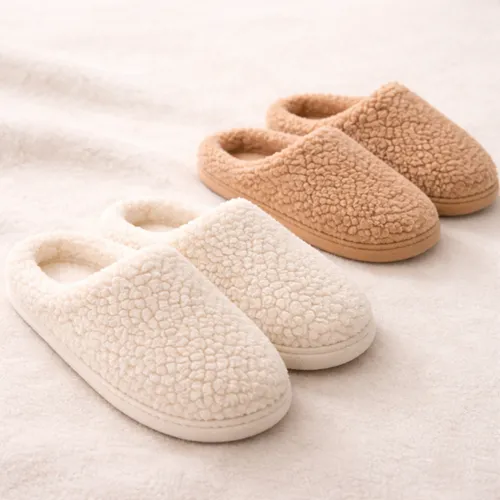
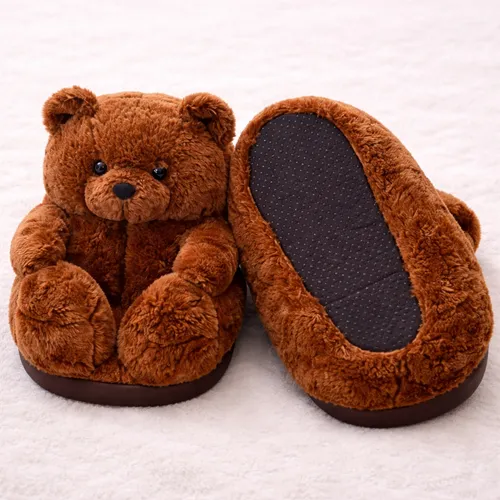
Teddy Fleece
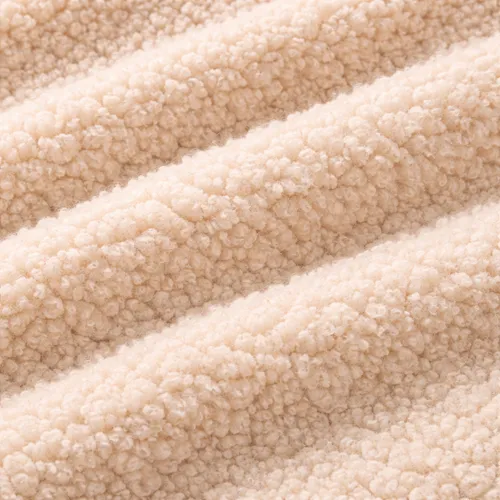
Teddy fleece is a thick and plush material with a soft, curly texture that creates a warm and visually rich appearance.
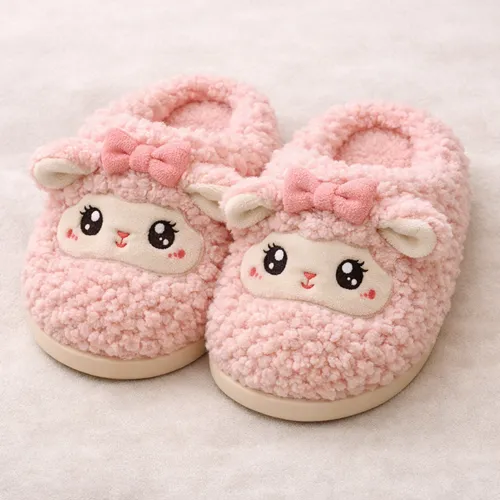
It is often used for playful, cozy, and design-oriented slippers, especially in collections that focus on comfort, cuteness, and seasonal appeal.
Best for:
• Cute and character-themed slippers
• Gift and novelty products
• Winter collections
• Brands targeting a cozy and emotional product style
Notes:
• Thicker and more textured than standard plush
• Strong visual appeal for retail display
• Suitable for soft, rounded, or 3D slipper designs
• Works well with memory foam for enhanced comfort
Learn More at:Teddy Fleece
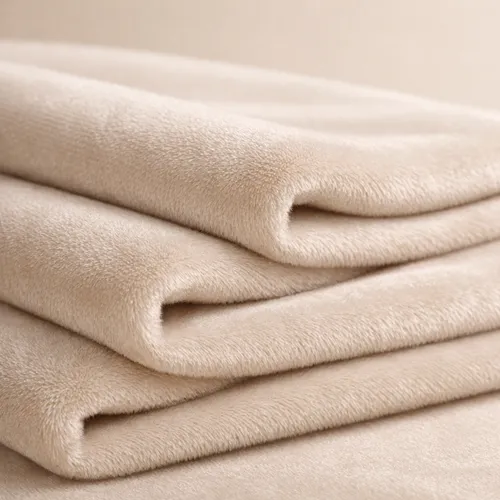
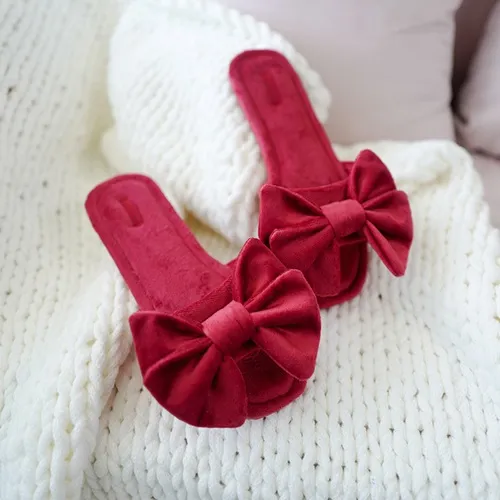
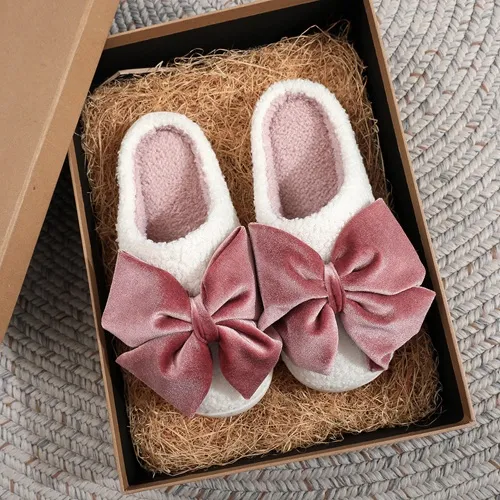
Velvet Plush
Velvet plush is a smooth and soft material with a fine, dense surface that creates a clean and refined appearance.
Compared to fluffy fabrics, it offers a more sleek and elegant look while still maintaining a comfortable touch, making it suitable for more minimal or premium-style slipper designs.
Best for:
• Elegant or minimal slipper styles
• Premium indoor slippers
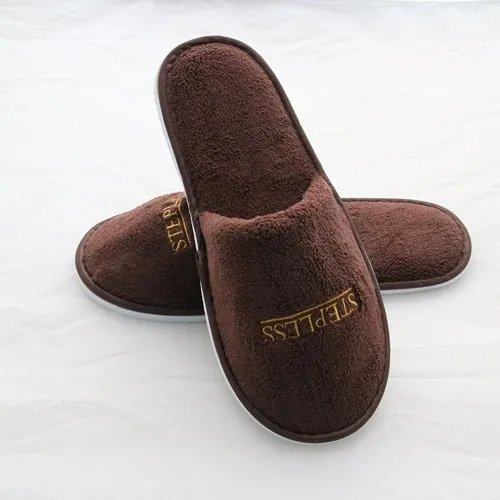
• Hotel and spa collections
• Brands focusing on a clean and refined look
Notes:
• Smoother and less fluffy than standard plush or fleece
• Creates a more polished and premium visual effect
• Suitable for embroidery, logos, and simple design elements
• Often paired with memory foam for added comfort
Learn More at:Velvet Plush
PART 2 — Filling Materials
Filling materials affect the comfort, softness, and overall wearing experience of the slippers.
Choosing the right filling helps improve product quality perception and customer satisfaction.
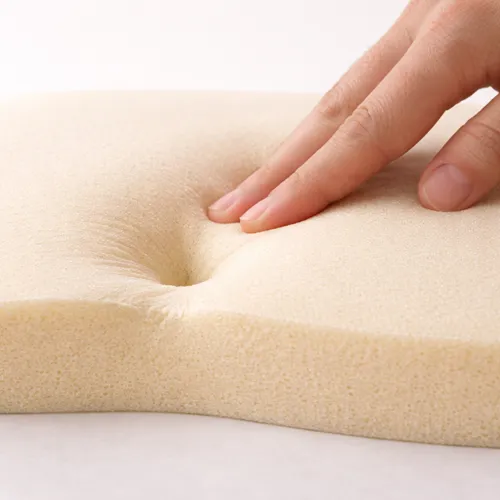
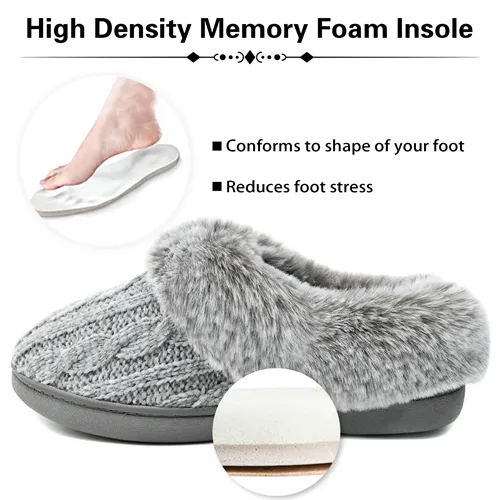
Memory Foam
Memory foam is widely used in premium slippers to provide cushioning and comfort.
It adapts to the shape of the foot and improves the overall wearing experience.
Best for:
• Premium indoor slippers
• Retail products
• Comfort-focused designs
Notes:
• Enhances perceived product value
• Often paired with faux fur or plush uppers
Learn More at:Memory Foam
EVA Foam
EVA foam is a lightweight filling and support material used in certain plush slipper constructions.
Compared with softer materials such as memory foam, it provides better structure, shape retention, and cost efficiency, making it suitable for projects that require a balance between comfort, weight, and budget.
Best for:
• Cost-effective slipper designs
• Lightweight constructions
• Slippers requiring additional support or structure
Notes:
• More supportive and structured than memory foam
• Often used in combination with softer comfort layers
• Also commonly used in sole construction
Learn More at:EVA Foam
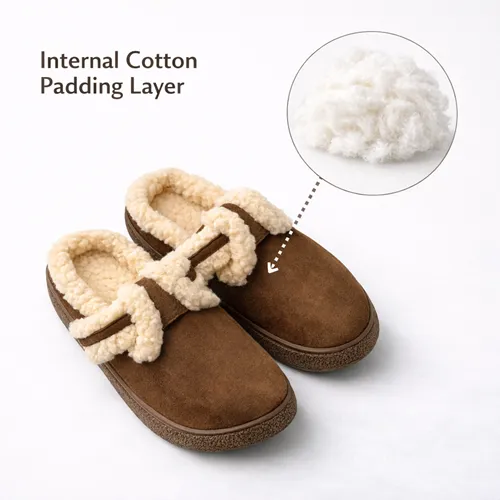
Cotton Padding
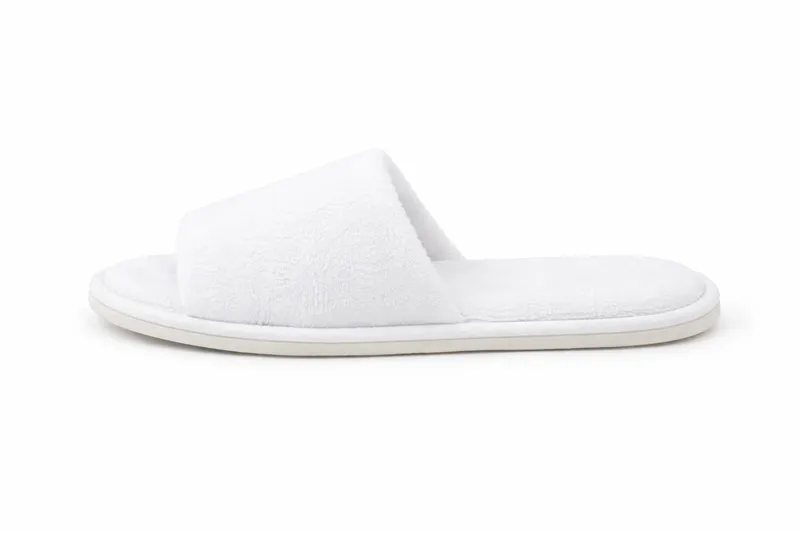
Cotton padding provides a soft and traditional feel.
It is often used in basic slipper designs and certain hotel applications.
Best for:
• Hotel slippers
• Simple indoor use
• Traditional styles
Notes:
• Softer but less structured than foam
• Suitable for short-term use products
Learn More at:Cotton Padding
PART 3 — Sole Materials
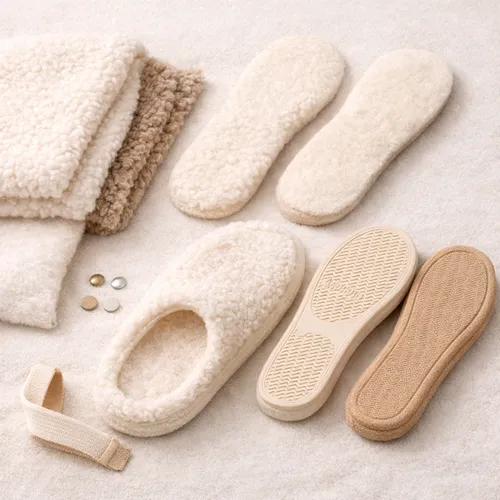
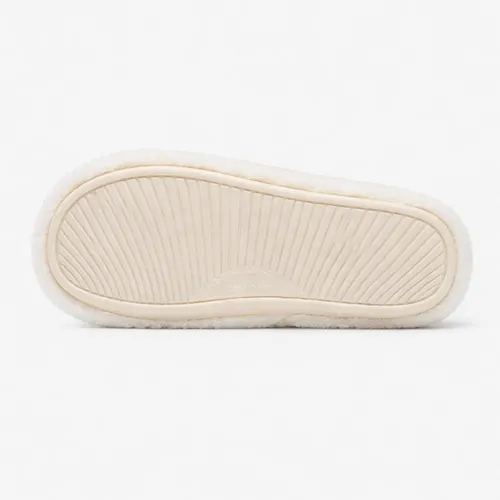
The sole material determines slipper durability, anti-slip performance, and usage scenarios.
Different sole options are selected based on indoor use, outdoor use, or specific project requirements.
EVA Sole
EVA is a lightweight and cost-effective sole material widely used in indoor slippers.
It provides basic cushioning and flexibility, making it suitable for large-volume production and everyday use.
Best for:
• Indoor slippers
• Cost-sensitive projects
• Lightweight designs
Notes:
• Less durable than rubber
• Mainly used for indoor applications
Learn More at:EVA Sole
TPR Sole
TPR (Thermoplastic Rubber) offers good flexibility and anti-slip performance.
It is commonly used in slippers that require better grip and everyday durability.
Best for:
• Indoor use with anti-slip requirements
• Daily wear slippers
Notes:
• Better traction than EVA
• Balanced cost and performance
Learn More at:TPR Sole
Rubber Sole
Rubber soles provide excellent durability and strong grip.
They are suitable for slippers designed for outdoor or heavy-duty use.
Best for:
• Outdoor slippers
• Premium products
Notes:
• More durable than EVA and TPR
• Heavier and higher cost
Learn More at: Rubber Sole
How to Choose the Right Materials for Your Slippers
Different materials are suitable for different product positioning, price ranges, and target markets.
For example:
• For retail brands, faux fur uppers with memory foam and rubber soles create a more premium feel
• For promotional projects, coral fleece with EVA soles is more cost-effective and suitable for large-volume orders
• For hotel or spa slippers, lightweight fabrics with soft padding and fabric soles are commonly used
If you are not sure which materials to choose, we can recommend suitable combinations based on your target market and budget.
Popular Material Combinations
Plush Upper + Memory Foam + TPR Sole
Balanced comfort and cost, suitable for standard retail slippers.
Faux Fur Upper + Memory Foam + Rubber Sole
Premium look and better durability for fashion and gift markets.
Coral Fleece Upper + EVA Sole
Cost-effective option for large-volume promotional projects.
Cotton Upper + Fabric Sole
Lightweight and suitable for hotel and spa use.
Material Customization Options
- Different padding options for comfort and structure
- Multiple sole materials based on usage requirements
- Custom colors, textures, and finishes
- Logo integration (embroidery, label, printing)
Need Help Choosing Materials?
100% Quickly Support!
Not sure which materials are right for your project?
Tell us your target market, price range, and design idea — we will recommend the most suitable material combination for your custom slippers.
We can also provide material samples for evaluation before mass production.