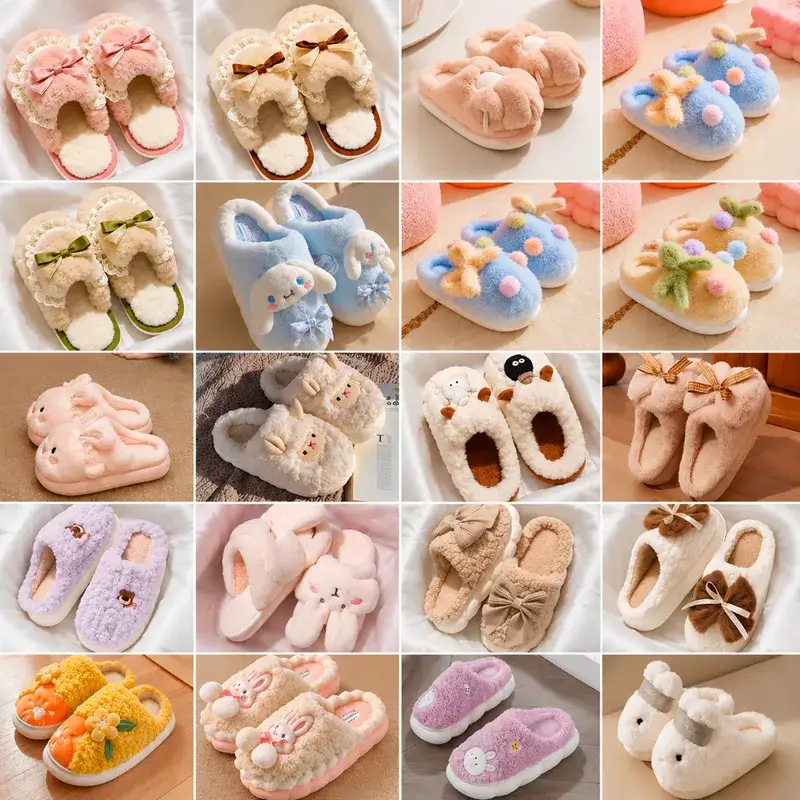
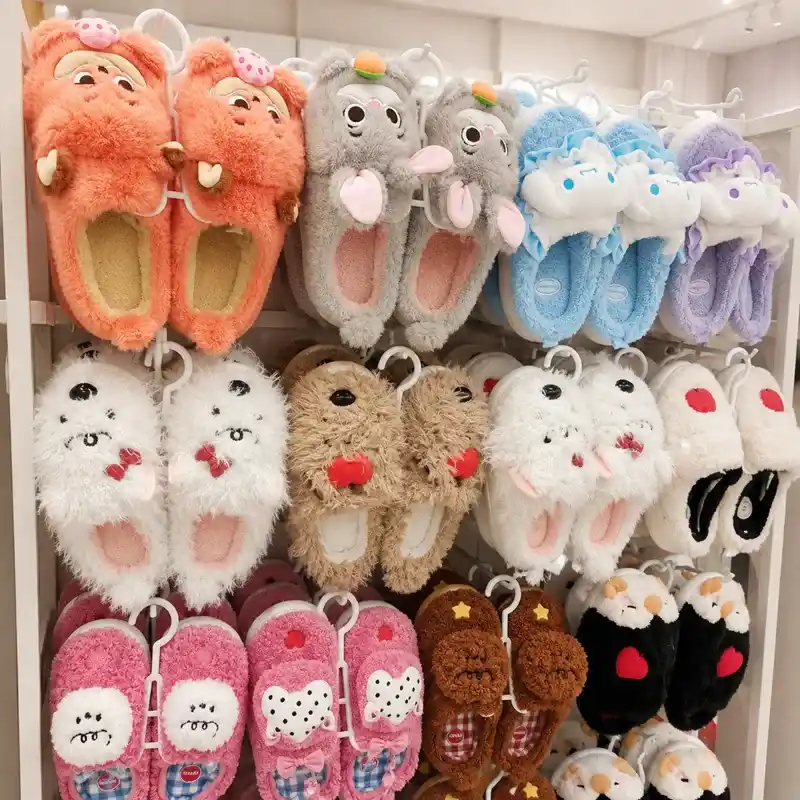
In custom plush slipper production, the sole is not only related to comfort. It also affects wearing stability, grip, and the user’s first impression of the finished product.
At CustomPlushSlippers, anti-slip sole checking is part of our factory in-house quality control process for bulk custom plush slipper orders. This is not a laboratory certification test. It is a practical factory check used to observe sole grip, walking stability, and whether the selected sole material is suitable for the intended use.
Why Anti-Slip Sole Performance Matters
Most plush slippers are designed for indoor use, but indoor floors can still be smooth. Hotel rooms, wooden floors, tiled floors, spa areas, and retail home environments may all require better sole stability.
If the sole is too slippery, several problems may appear:
- The slipper may feel unstable during walking.
- The customer may think the product feels low quality.
- The sole material may not match the intended use.
- The product may receive more complaints after delivery.
- Bulk buyers may need to change the sole option for future orders.
For wholesalers, private label brands, hotel suppliers, gift companies, and retail sellers, sole grip is an important detail. A plush slipper should look soft and cute, but it should also feel stable for normal indoor use.
What Is a Factory In-House Anti-Slip Sole Check?
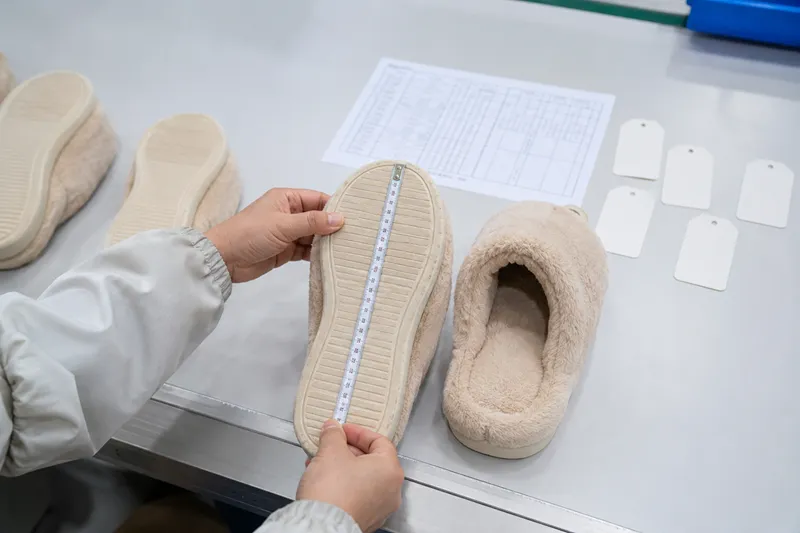
A factory in-house anti-slip sole check is a basic production inspection used before packing. It helps workers observe whether the sole provides reasonable grip on common indoor surfaces.
This check is different from formal laboratory testing. Laboratory slip resistance testing usually requires professional equipment, controlled floor materials, test conditions, and measurable friction data.
Smooth Floor Walking
Observe whether the slipper feels stable on common indoor floor surfaces.
Inclined Surface Observation
Check basic sole grip on a smooth inclined surface before packing.
Left-Right Balance
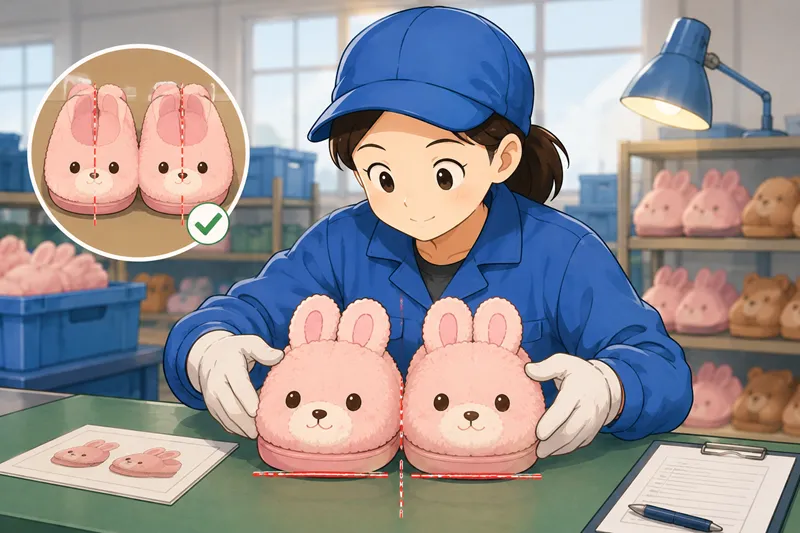
Compare both slippers to see whether the walking feel is consistent.
Sole Material Suitability
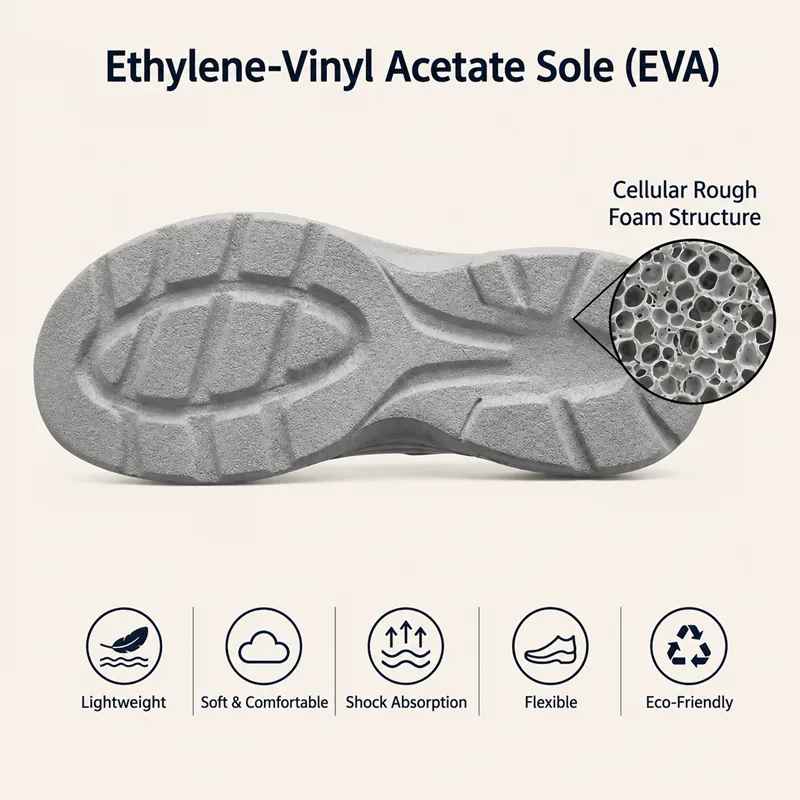
Evaluate whether EVA, TPR, rubber, or dotted fabric soles fit the usage scene.
1. Smooth Floor Walking Check
One of the simplest ways to observe slipper stability is to check the slippers on a smooth indoor floor.
Workers may wear the slippers briefly or observe basic walking movement to see whether the soles grip the surface properly during normal steps.
During this check, we may observe:
- Whether the slipper slips too easily
- Whether the left and right slippers feel balanced
- Whether the outsole stays stable during walking
- Whether the slipper is easy to wear
- Whether the sole material feels suitable for indoor use
This is a practical factory check, not a certified anti-slip test. It helps us identify obvious sole grip issues before packing.
2. Inclined Surface Observation
For some sole types or customer requirements, workers may also observe the slippers on a smooth inclined surface.
This type of check helps show whether the sole has basic grip when the surface is not completely flat. It is useful for comparing different sole materials or checking whether a specific outsole design feels stable.
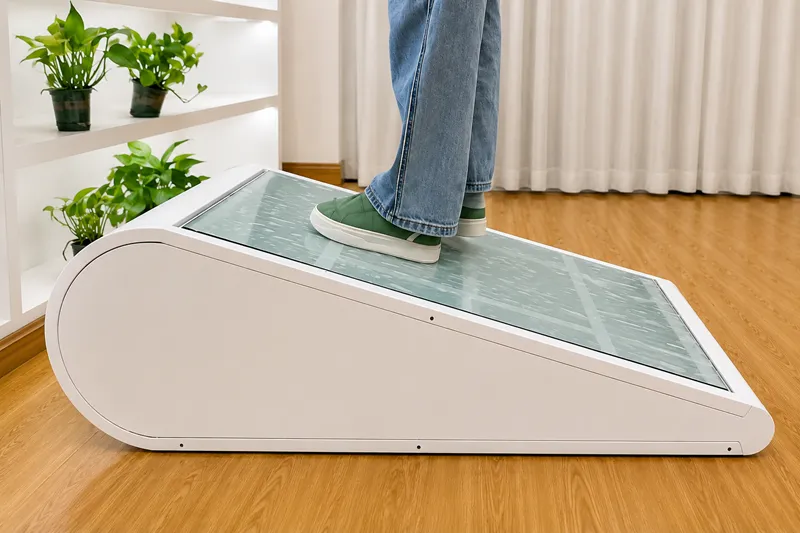
During this step, workers may observe:
- Whether the slipper slides too quickly
- Whether the sole maintains contact with the surface
- Whether the outsole pattern provides visible grip
- Whether the slipper remains balanced
- Whether the left and right slippers perform consistently
This should be described as an in-house inclined surface observation, not a certified ramp test.
3. Sole Material Differences
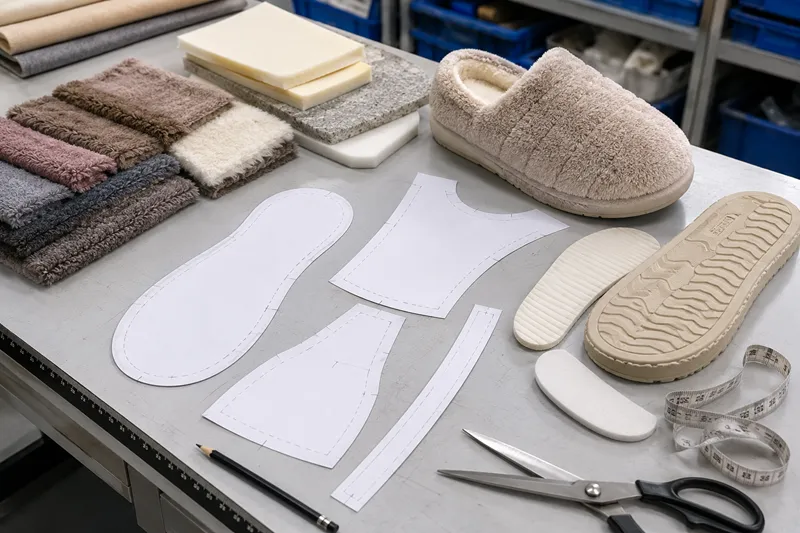
Different sole materials can perform differently in grip, weight, flexibility, durability, and cost. That is why anti-slip checking should be considered together with sole selection.
You can also read our guide on how to choose the right sole for a custom plush slipper project if you are comparing EVA, TPR, rubber, and dotted fabric soles.
| Sole Type | Main Features | In-House Check Focus |
|---|---|---|
| EVA Sole | Lightweight and cost-friendly, commonly used for indoor plush slippers and bulk projects. | Check basic walking stability, outsole surface, and whether the grip is suitable for normal indoor use. |
| TPR Sole | Softer and usually better in grip than basic EVA soles. | Check outsole flexibility, grip feel, and walking stability. |
| Rubber Sole | Heavier and more durable, often used when stronger grip or wear resistance is needed. | Check outsole contact, sole weight, surface finishing, and overall balance. |
| Dotted Fabric Sole | Soft and lightweight, commonly used for dry indoor slippers. | Check whether the dotted pattern is even and whether the slipper feels stable on smooth indoor floors. |
4. In-House Check vs. Laboratory Testing
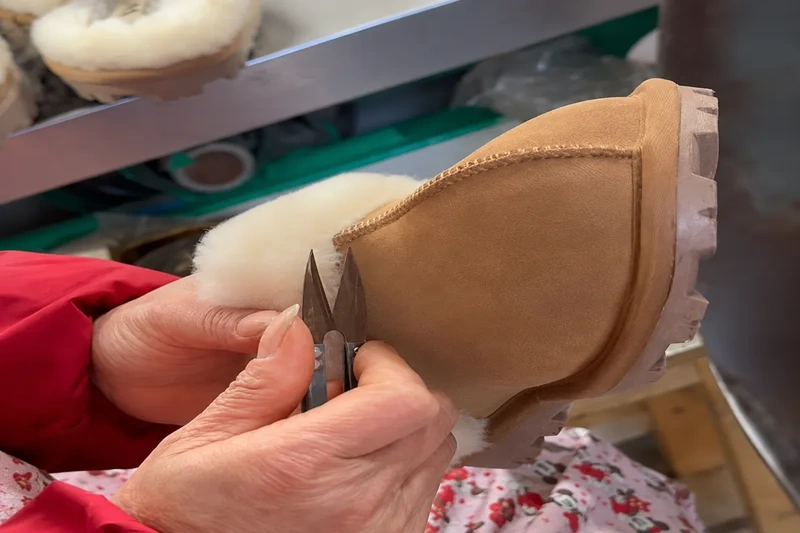
A factory in-house anti-slip sole check is used for daily production quality control. It helps observe visible and practical issues before packing, such as unstable walking feel, unsuitable sole material, or poor outsole grip.
Laboratory testing is different. It uses professional testing methods and equipment to measure slip resistance under controlled conditions. If a buyer needs formal test data for a specific market, retail requirement, or safety standard, third-party laboratory testing can be arranged separately.
For most bulk plush slipper orders, in-house checking helps control practical product quality. For projects with strict compliance needs, laboratory testing should be confirmed before production.
Why This Matters for Bulk Plush Slipper Buyers
For bulk custom plush slipper orders, buyers need more than a soft upper and cute design. They also need the finished slippers to feel stable, consistent, and suitable for the intended use.
Factory in-house anti-slip sole checks help reduce common problems such as:
- Poor sole grip
- Unstable walking feel
- Unsuitable sole material
- Left and right slipper imbalance
- Customer complaints after delivery
This is especially important for custom hotel slippers, spa slippers, private label plush slippers, gift slippers, retail slippers, and promotional slipper projects.
How This Connects with Other Quality Control Steps
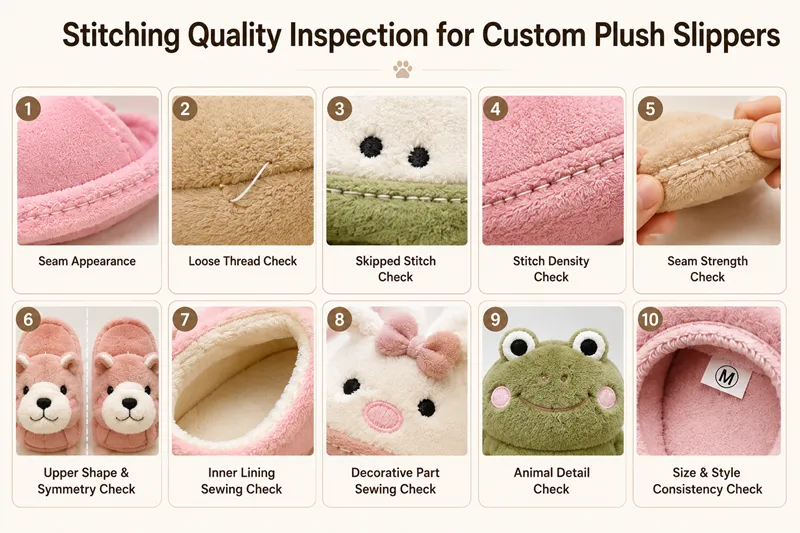
Anti-slip checking is only one part of the full quality control process. Before packing, CustomPlushSlippers may also check sole attachment, stitching, shape consistency, surface cleanliness, air blowing, packaging, and carton information.
If you want to understand how we check whether the sole is firmly attached to the slipper upper, you can read our related article on factory in-house sole attachment check for custom plush slippers.
CustomPlushSlippers Quality Control Approach
At CustomPlushSlippers, we treat anti-slip sole checking as one part of our broader in-house quality control process.
Along with material checking, stitching inspection, sole attachment checks, final cleaning, air blowing, packing inspection, and pre-shipment checks, anti-slip observation helps us reduce avoidable issues before shipment.
Need Help Choosing a Sole for Your Plush Slipper Project?
Tell us your target market, usage scene, budget range, sole preference, and packaging method. Our team can recommend suitable sole materials based on your order requirements.
Contact Us