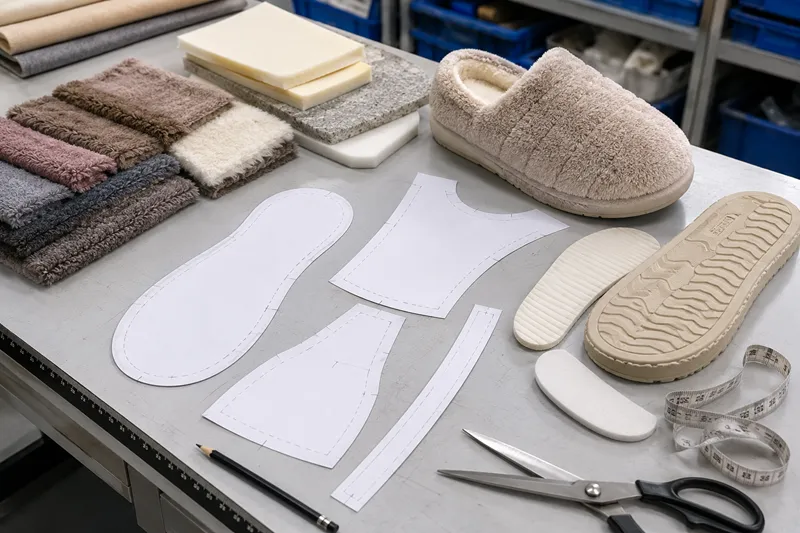
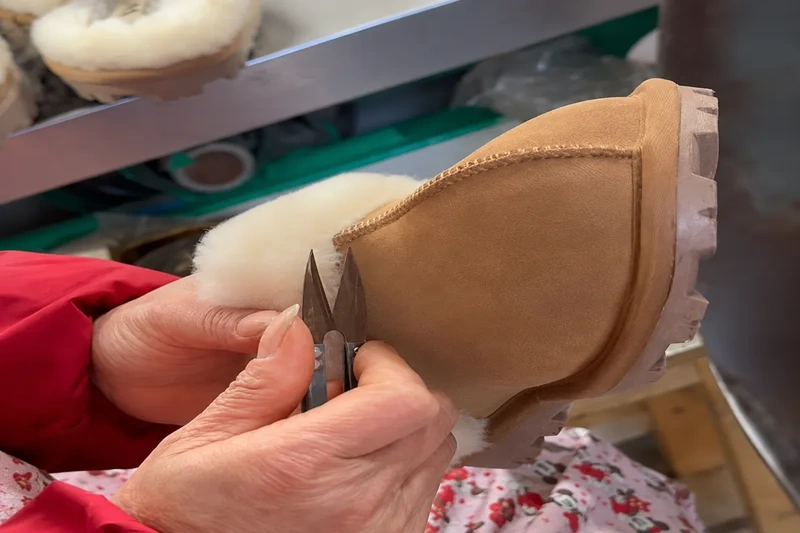
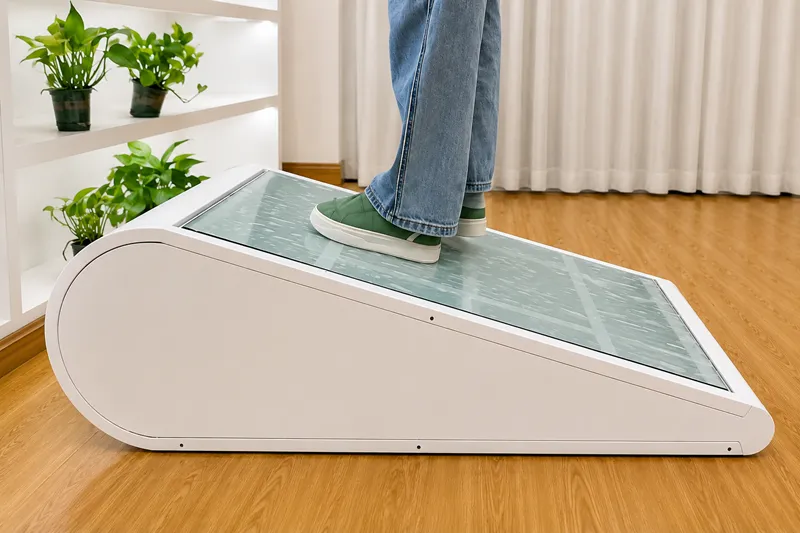
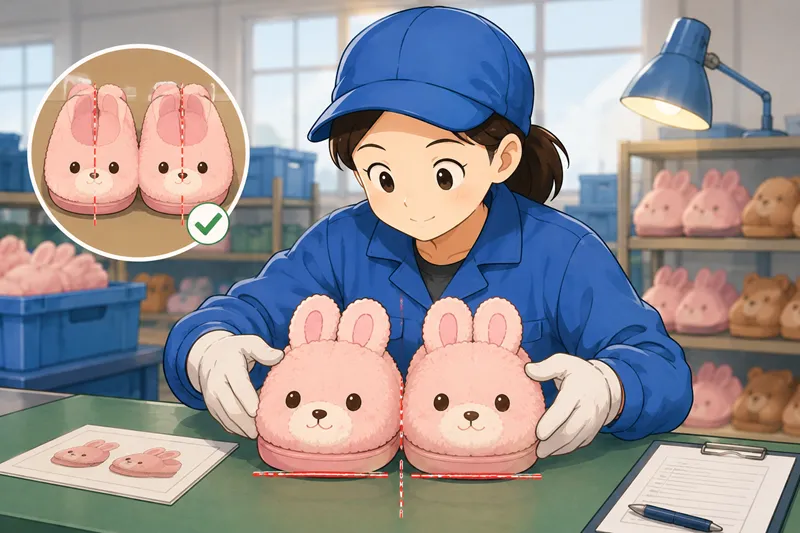
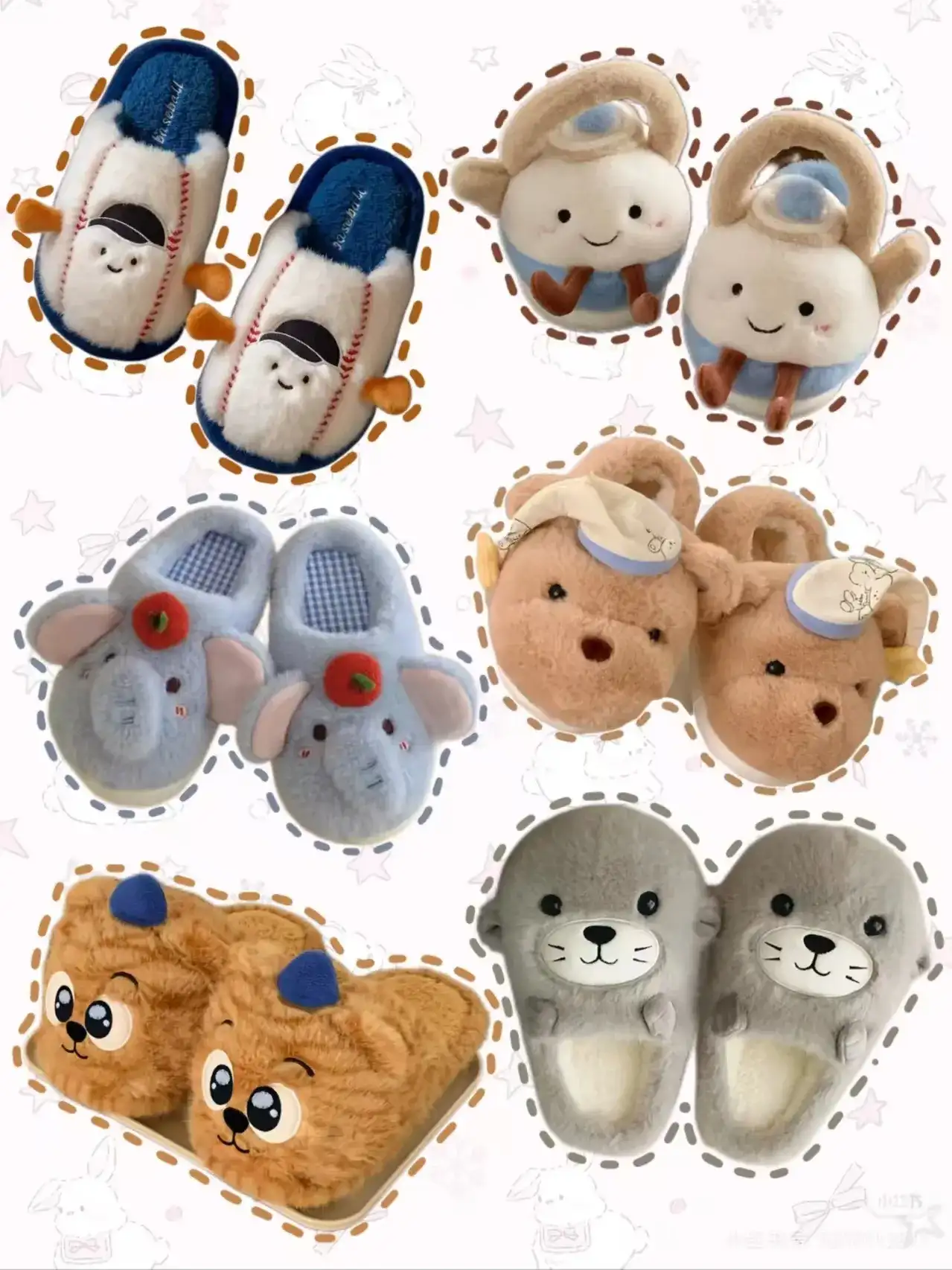
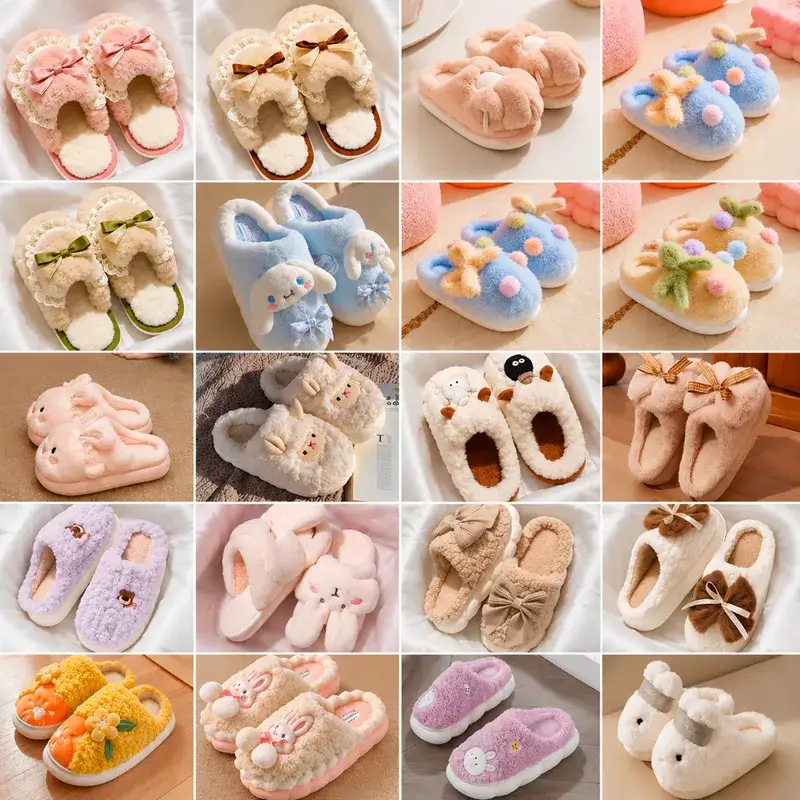
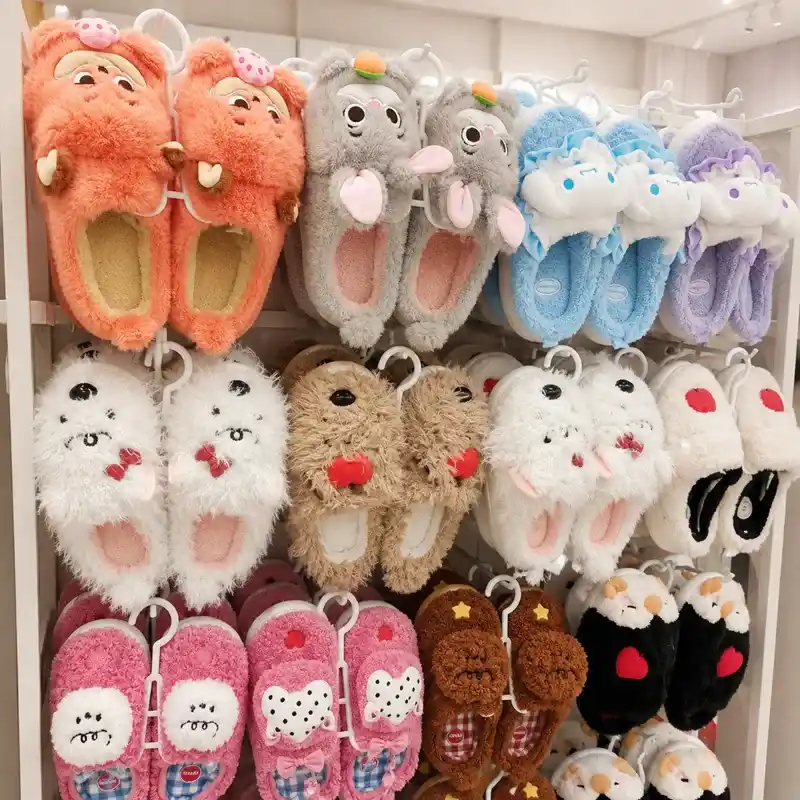
At CustomPlushSlippers, material inspection is one of the first quality control steps before bulk plush slipper production begins. The purpose of this step is to check whether the incoming fabrics, filling materials, sole materials, labels, and accessories match the buyer’s confirmed requirements before cutting, sewing, and assembly.
For custom plush slipper orders, material quality affects appearance, comfort, durability, packaging presentation, and the final customer experience. If fabric color, plush texture, sole material, or filling quality is not checked at the beginning, problems may only appear after production has already started, which can lead to rework, delays, or inconsistent finished slippers.
Why Material Inspection Matters
Plush slippers are soft products, but they still require stable material control. Different buyers may have different requirements for fabric type, color, plush length, sole material, logo method, packaging style, and comfort level.
For wholesalers, private label brands, Amazon sellers, hotel buyers, gift suppliers, and retail projects, material inspection helps reduce common production problems such as color differences, fabric defects, poor hand feel, abnormal shedding, incorrect sole material, wrong labels, or mismatched accessories.
Material inspection does not replace later production checks. Instead, it helps confirm that the basic materials are suitable before the order moves into cutting and sewing.
Main Material Inspection Points
1. Fabric Type Confirmation
Before production, workers check whether the incoming fabric matches the approved sample or order requirement.
Common plush slipper fabrics may include:
- Sherpa fleece
- Coral fleece
- Faux fur
- Velvet plush
- Teddy fleece
- Chenille fabric
- Short plush
- Long plush fabric
2. Color Consistency Check
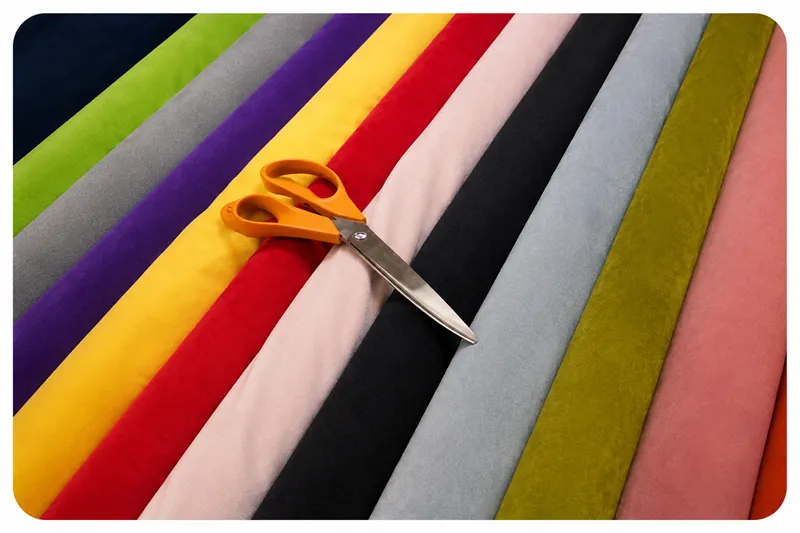
Color is one of the most important material inspection points for custom plush slipper orders. Workers compare the incoming fabric with the approved sample, color reference, or order requirement.
- Whether the color matches the approved sample
- Whether there is obvious color difference
- Whether different fabric rolls have consistent color
- Whether the color looks stable under normal lighting
- Whether dark and light color combinations meet the design requirement
3. Plush Length and Density Check
For plush slippers, the surface texture is part of the product quality. Workers may check whether the plush length, density, and surface feel are close to the approved sample.
- Whether the plush length is consistent
- Whether the fabric surface is too sparse
- Whether the plush direction looks natural
- Whether there are pressed or uneven areas
- Whether the fabric feels close to the approved sample
- Whether the plush effect is suitable for the slipper design
4. Surface Defect Inspection
Before cutting, fabric rolls are visually checked for obvious defects. Workers may inspect the fabric surface and mark defective areas that should be avoided during cutting.
- Stains
- Holes
- Oil marks
- Color spots
- Loose yarns
- Broken areas
- Wrinkles or pressure marks
- Dirt or foreign particles
- Weaving or knitting defects
5. Shedding and Loose Fiber Check
Plush materials may naturally have some loose fibers, especially after cutting. However, abnormal shedding should be checked before production.
- Lightly pulling the plush surface
- Gently tapping or brushing the fabric
- Observing whether large amounts of fibers fall off
- Checking whether loose fibers are abnormal compared with the approved sample
6. Hand Feel and Softness Check
Plush slipper buyers often care about comfort, softness, and the overall touch of the product. During material inspection, workers may compare the incoming fabric with the approved sample by hand.
- Whether the fabric feels soft enough
- Whether the surface feels rough
- Whether there are hard areas
- Whether the fabric has an uncomfortable touch
- Whether the softness is suitable for indoor slippers
- Whether the fabric matches the intended product positioning
7. Fabric Thickness and Weight Check
Fabric thickness and weight can affect warmth, appearance, cutting, sewing, and finished slipper structure.
- Whether the fabric thickness matches the requirement
- Whether the fabric weight is suitable for the slipper style
- Whether different batches feel consistent
- Whether the fabric is too thin for the product design
- Whether the fabric is too thick for smooth sewing or shaping
8. Odor Check
Incoming materials may also be checked for obvious abnormal odor. This is especially important for products that will be packed in bags, gift boxes, or retail packaging.
- Strong chemical smell
- Moldy smell
- Storage odor
- Damp odor
- Other abnormal smells
9. Filling Material Inspection
Many plush slippers use filling materials to create a soft and full shape. For animal plush slippers and cartoon-style slippers, the filling quality can affect the final appearance.
- Whether the filling type matches the order
- Whether the filling is clean
- Whether the filling feels soft and elastic
- Whether there are hard lumps
- Whether the filling has foreign particles
- Whether the filling amount is suitable for the slipper design
10. Sole Material Inspection
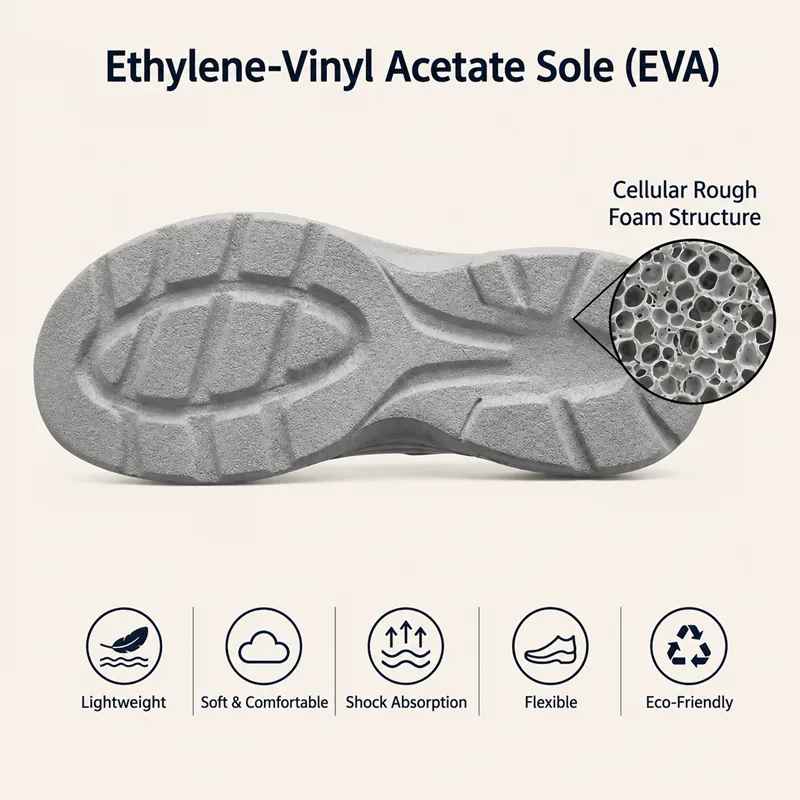
Sole material is another important part of incoming material inspection. Different buyers may choose EVA, TPR, rubber, or dotted fabric soles depending on the product use, budget, and target market.
- Whether the sole material matches the order
- Whether the sole color is correct
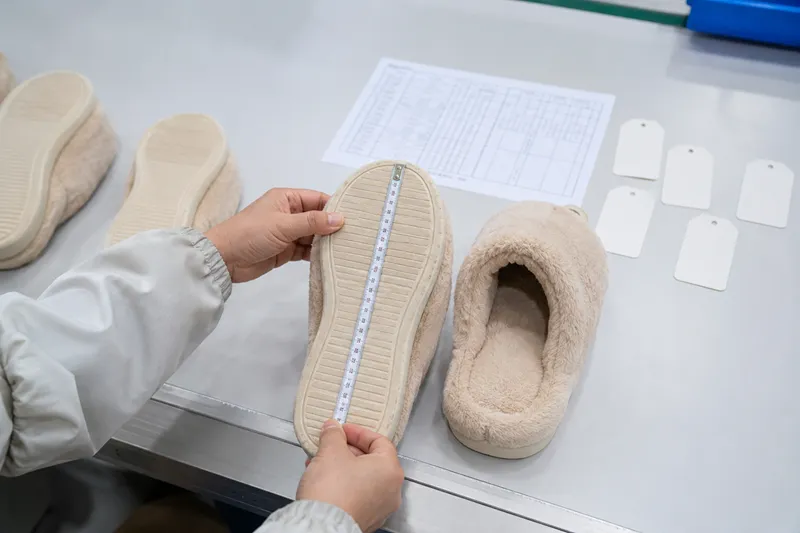
- Whether the sole thickness is suitable
- Whether the sole shape matches the slipper size
- Whether the sole surface has defects
- Whether the anti-slip pattern is clear
- Whether the sole feels too hard or too soft
11. Label, Logo, and Accessory Check
Custom plush slipper orders may include different labels and accessories. Before production, workers may check whether these items match the buyer’s confirmed design.
- Brand labels
- Care labels
- Woven labels
- Embroidery patches
- Hang tags
- Size labels
- Packaging stickers
- Decorative parts
- Animal ears, eyes, noses, or other shaped details
12. Quantity and Batch Verification
Material quantity also needs to be checked before production starts. Workers may confirm whether the received materials are enough for the planned order quantity.
- Fabric roll quantity
- Sole quantity
- Filling material quantity
- Label and tag quantity
- Accessory quantity
- Batch information
- Supplier information
- Consistency with the production plan
What Happens If Material Problems Are Found
If obvious material problems are found during inspection, the affected materials may be marked, separated, or reported before production continues.
- Marking defective fabric areas
- Avoiding small defective areas during cutting
- Separating materials with serious defects
- Rechecking the material against the approved sample
- Confirming the issue with the buyer or supplier
- Replacing incorrect or defective materials
- Adjusting production only after confirmation
Why This Matters for Bulk Buyers
Material inspection helps reduce avoidable problems before production begins. It supports more stable color, better appearance, consistent hand feel, suitable sole performance, correct accessories, and smoother bulk production.
For custom plush slipper buyers, this step is especially useful because many orders involve special colors, animal shapes, private labels, custom packaging, and different size or color ratios.
At CustomPlushSlippers, material inspection works together with sole attachment checks, anti-slip sole checks, plush surface finishing, and packing inspection to help improve consistency before bulk plush slipper orders are shipped.
Need Materials Prepared for a Custom Plush Slipper Project?
Tell us your fabric preference, sole material, color requirements, logo method, and packaging needs. Our team can help review the material details before bulk plush slipper production starts.
Contact Us