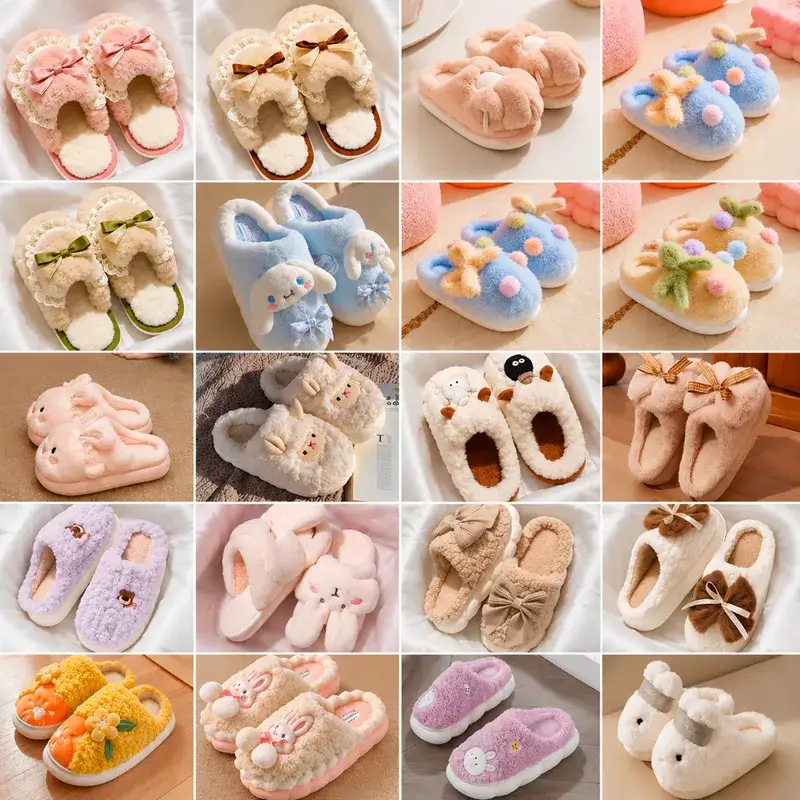
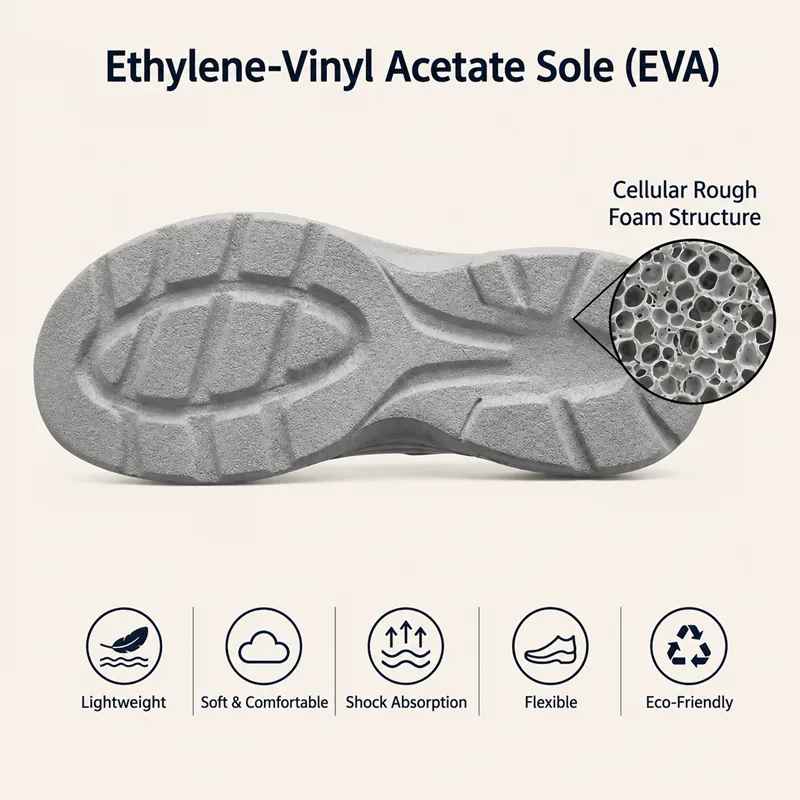
One of the first questions buyers ask when sourcing custom plush slippers is:
What is the MOQ?
MOQ stands for Minimum Order Quantity, which refers to the minimum number of units a manufacturer requires for production.
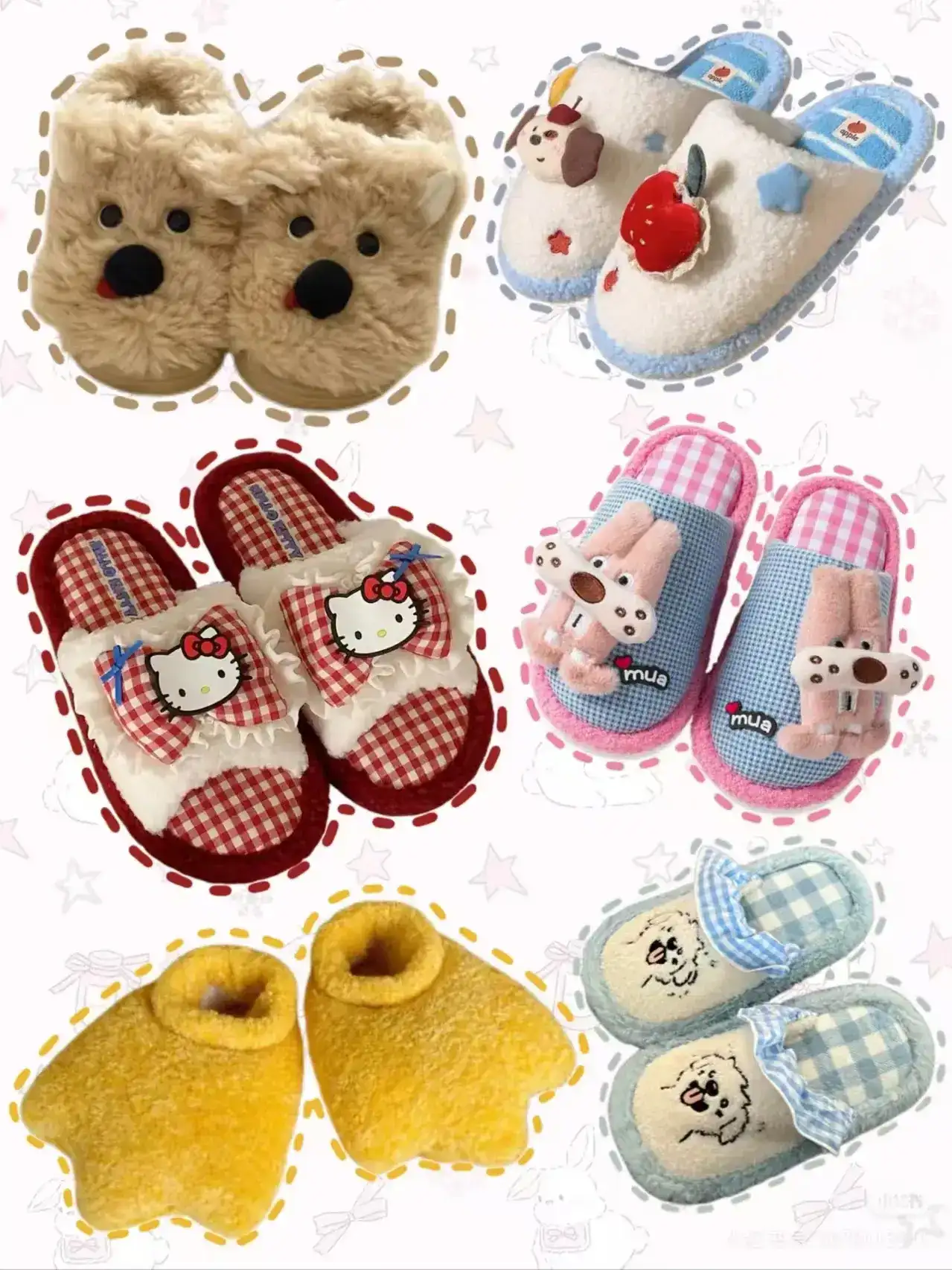
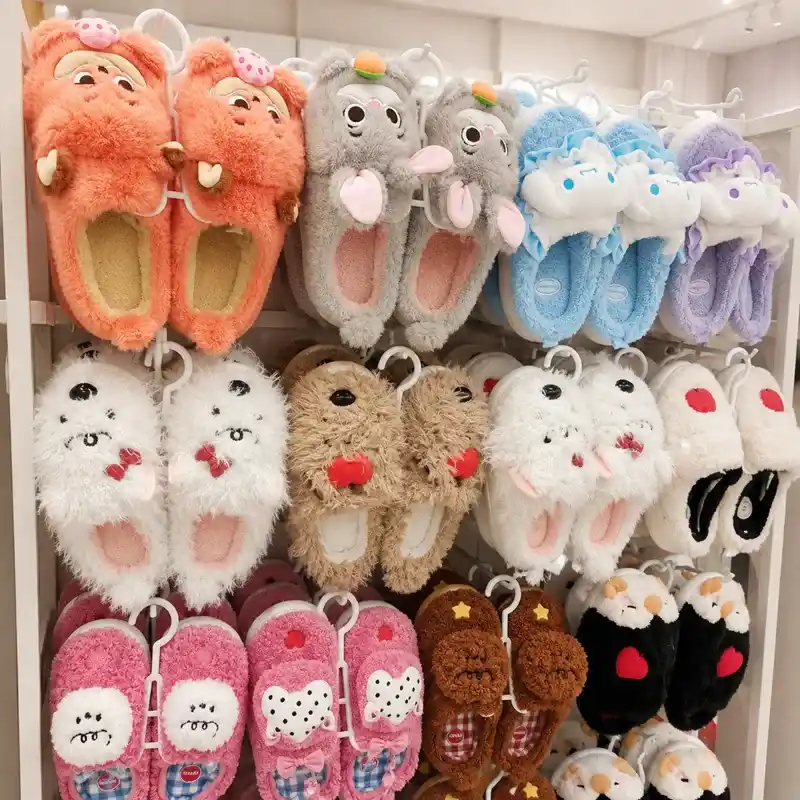
Many buyers assume MOQ is simply a fixed number set by the factory. In reality, MOQ is influenced by production planning, material sourcing, management costs, and project profitability.
Understanding how MOQ works can help buyers communicate more effectively with manufacturers and find practical solutions for custom slipper projects.
What Is a Typical MOQ for Custom Plush Slippers?
For fully custom plush slipper projects, a typical MOQ is often around:
1,000 pairs per design
However, this does not mean factories are technically unable to produce smaller quantities.
In many cases, MOQ is a business decision rather than a production limitation. Some manufacturers may accept lower quantities when production schedules allow and the project uses existing materials and production resources.
MOQ Is Not Just About Manufacturing
Many industries have strict MOQs because of significant setup costs.
For example, packaging manufacturers often face:
- Printing plate costs
- Cutting die costs
- Machine setup costs
Custom plush slippers are different.
For projects using existing slipper shapes, existing sole molds, and existing materials, the difference between producing 100 pairs and 500 pairs is often not a technical issue.
Instead, manufacturers focus on whether the project makes sense from an operational and profitability perspective.
Why Do Factories Prefer Larger Orders?
The biggest reason is efficiency.
Even a small order requires:
- Production planning
- Material preparation
- Quality control
- Order management
- Customer communication
These management tasks remain relatively similar regardless of whether the order is for 100 pairs or 1,000 pairs.
As order quantities increase, these costs are spread across more units, making production more efficient.
MOQ is closely connected to pricing. If you are also comparing unit cost, materials, packaging, and shipping factors, you can read our custom plush slipper pricing guide.
The Real Factors That Affect MOQ
Production Scheduling
Factories are more likely to accept smaller orders during slower production periods.
When production capacity is available, manufacturers may become more flexible with MOQ requirements.
Material Availability
Material sourcing is often one of the most important factors.
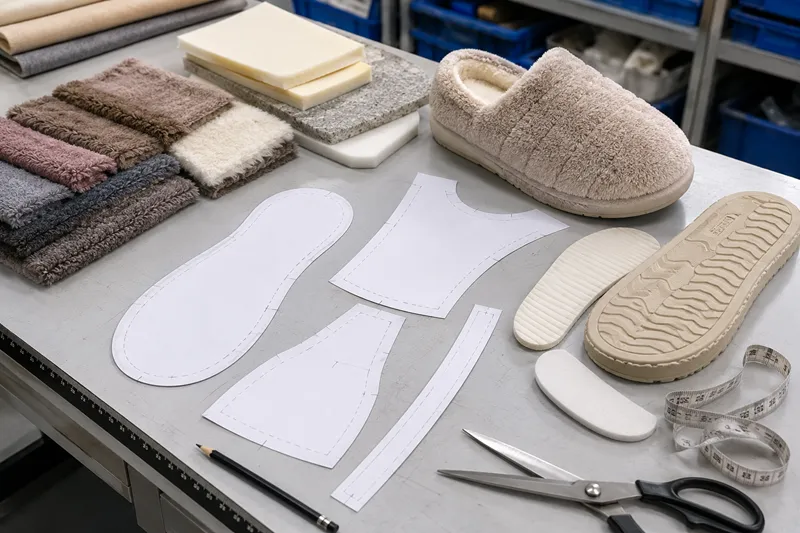
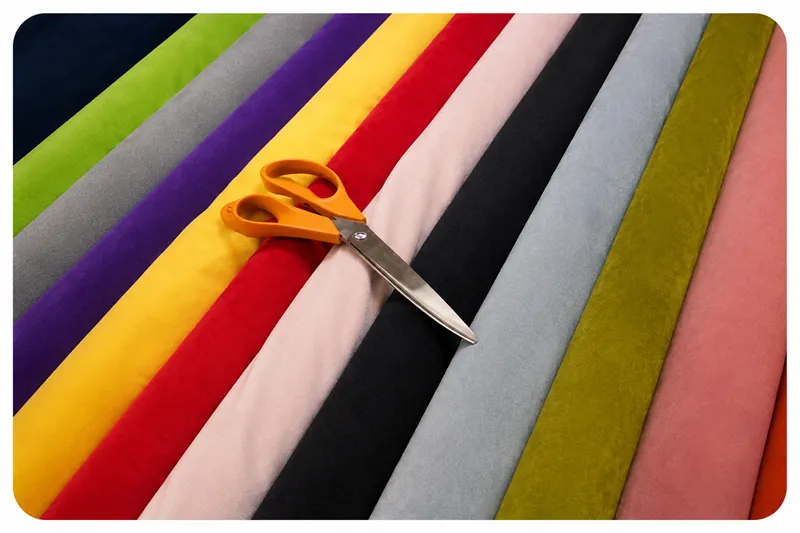
If a project uses existing fabrics, existing colors, and existing sole materials, MOQ requirements may be more flexible.
However, if buyers request special materials or custom colors that must be sourced separately, MOQ may increase significantly.
Sole selection can also affect MOQ flexibility, especially when special sole materials or existing sole molds are involved. For more details, read our guide to choosing the right sole for custom plush slippers .
Packaging Requirements
Custom printed packaging frequently comes with its own minimum order requirements.
A project using standard OPP bag packaging is usually easier to support than one requiring custom retail packaging.
Profitability
Plush slipper manufacturing is often a relatively low-margin business.
For many factories, the challenge is not whether they can produce a small order, but whether the order generates enough value to justify the management effort involved.
Can Factories Produce 500 Pairs?
In many situations, yes.
For projects that use existing slipper structures, existing materials, and existing production processes, some manufacturers may accept quantities below their standard MOQ.
However, this depends heavily on production schedules, workload, and project requirements.
The same factory may accept a 500-pair order during a quiet season but decline a similar project during peak production periods.
Need Help Determining MOQ for Your Project?
MOQ depends on more than quantity alone. Design complexity, materials, packaging, and production planning all play a role. Share your project details and our team can recommend the most practical production solution.
Request a Custom QuoteHow to Reduce MOQ
Buyers can often improve MOQ flexibility by reducing production complexity.
Practical ways to reduce MOQ include:
- Using existing slipper styles
- Choosing standard materials
- Selecting existing colors
- Using standard packaging
- Simplifying customization requirements
These approaches reduce sourcing complexity and make smaller orders easier for manufacturers to support.
MOQ Comparison by Project Type
| Project Type | MOQ Flexibility |
|---|---|
| Existing Style + Standard Materials | More Flexible |
| Existing Style + Custom Logo | Medium Flexibility |
| Custom Design + Standard Packaging | Less Flexible |
| Custom Design + Custom Color | Higher MOQ Likely |
| Custom Design + Custom Packaging | Highest MOQ Pressure |
What Information Should You Provide When Asking About MOQ?
To receive an accurate MOQ recommendation, buyers should provide:
- Design image or reference photo
- Estimated quantity
- Material preferences
- Sole requirements
- Logo requirements
- Packaging requirements
- Target market
The more information provided, the easier it is for manufacturers to evaluate project feasibility. If you are not sure whether your project can meet the MOQ, you can contact our team for a custom plush slipper quote.
Final Thoughts
MOQ for custom plush slippers is not determined by quantity alone.
Production scheduling, material sourcing, management costs, packaging requirements, and project profitability all influence the final minimum order quantity.
While 1,000 pairs is a common starting point for many custom projects, smaller quantities may be possible when existing materials and production resources can be used.
Rather than focusing only on the lowest possible MOQ, buyers should work with manufacturers to find the most practical balance between customization, cost, and production efficiency.