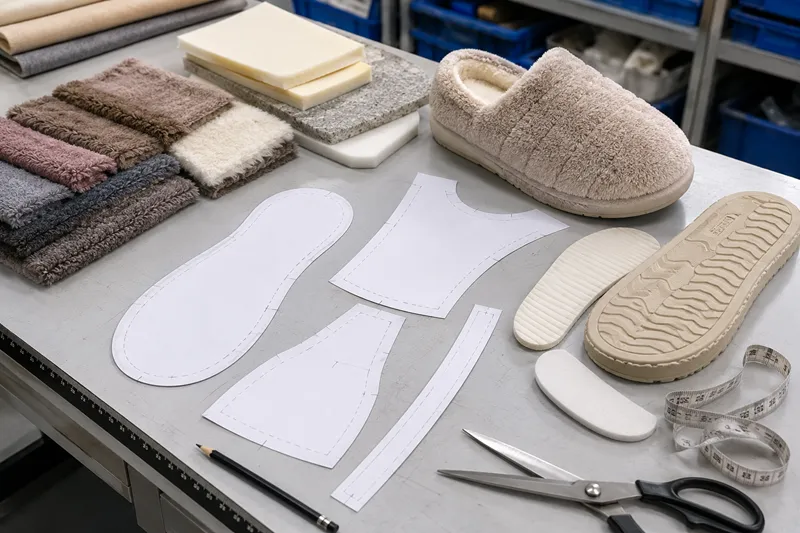
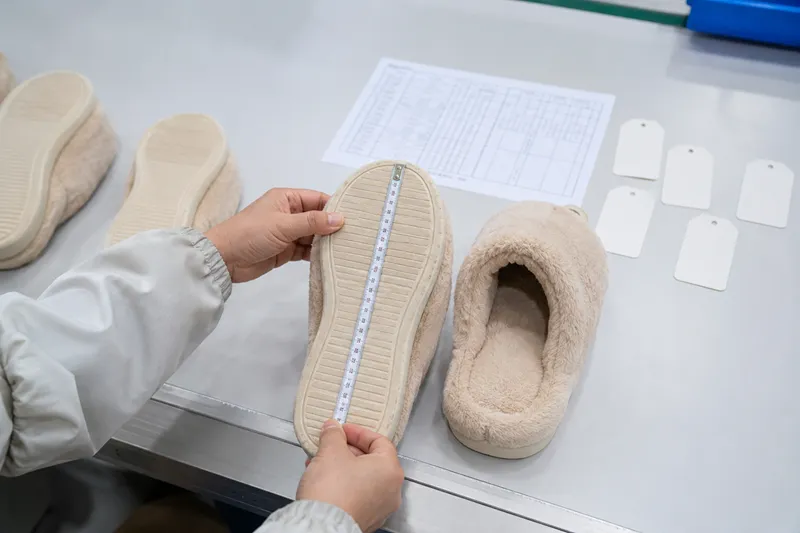
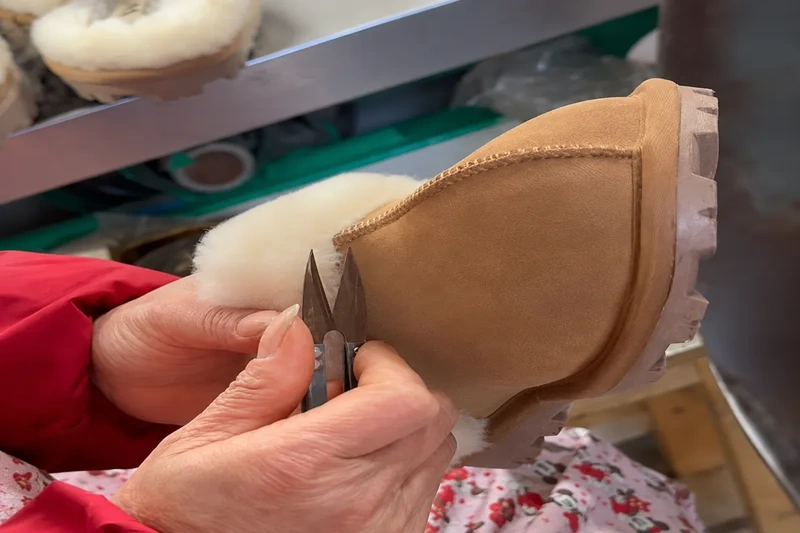
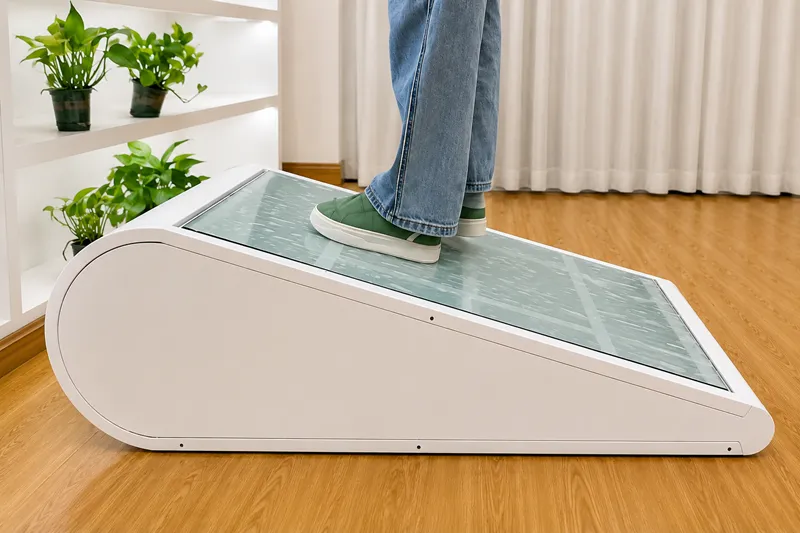
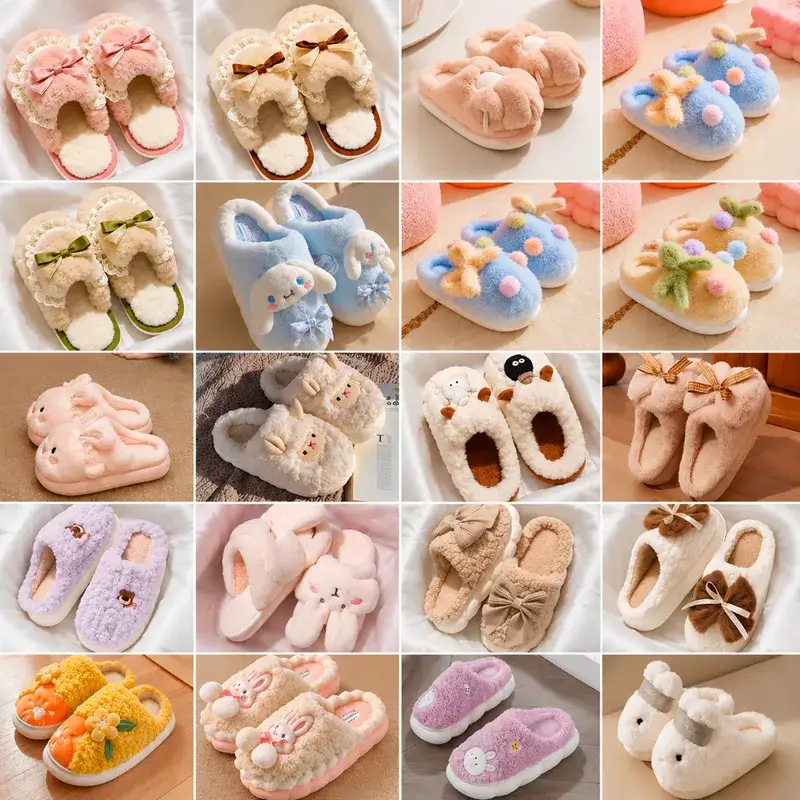
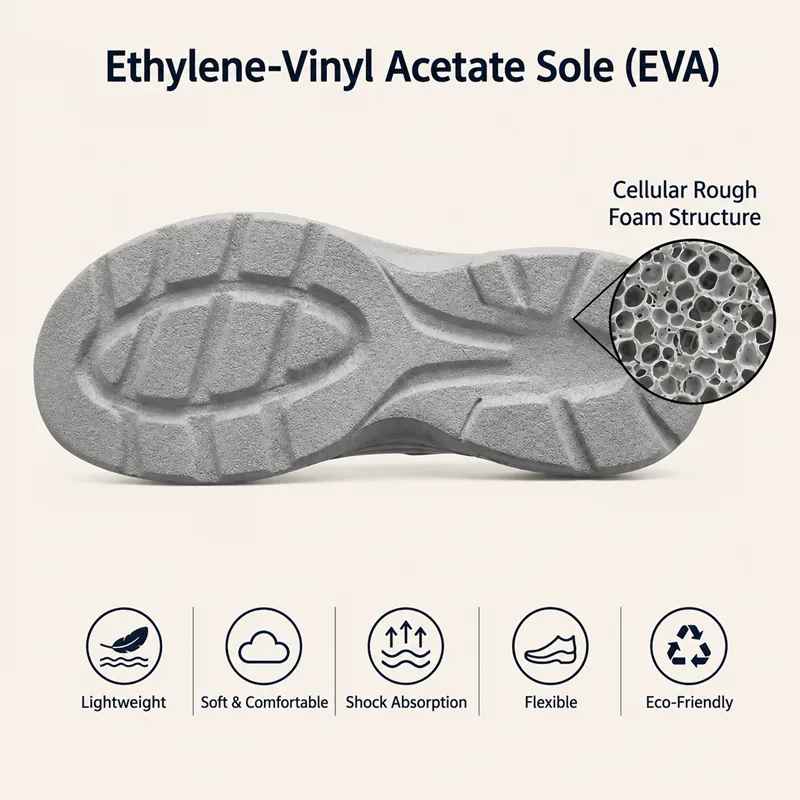
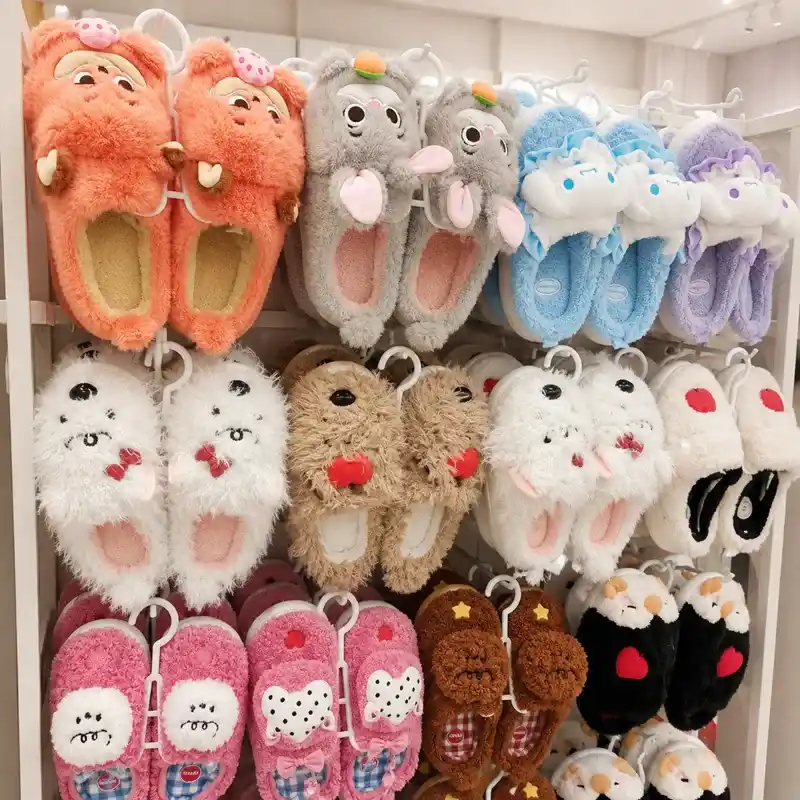
At CustomPlushSlippers, stitching quality inspection is an important quality control step after cutting and sewing, before the slippers move to sole attachment, finishing, and packing. The purpose of this step is to check whether the sewn slipper uppers, seams, linings, decorative parts, and plush details meet the buyer’s approved sample and order requirements.
For custom plush slipper orders, stitching quality affects appearance, comfort, durability, shape consistency, and the final customer experience. Even when the fabric and sole materials are correct, poor stitching can still cause problems such as loose seams, uneven shapes, uncomfortable linings, misplaced decorations, or inconsistent animal details.
Why Stitching Inspection Matters
Plush slippers are usually made with soft materials such as sherpa fleece, coral fleece, faux fur, velvet plush, teddy fleece, and other plush fabrics. These materials are comfortable, but they also require careful sewing control during bulk production.
If stitching problems are not checked in time, they may become more difficult to correct after the slippers are attached to the soles or packed for shipment.
For wholesalers, private label brands, hotel buyers, Amazon sellers, gift suppliers, and retail projects, stitching inspection helps reduce common quality issues such as open seams, loose threads, uneven stitching, poor symmetry, rough inner seams, and weak decorative parts.
Stitching inspection does not replace final inspection. Instead, it helps identify sewing problems earlier in the production process before the order moves to the next step.
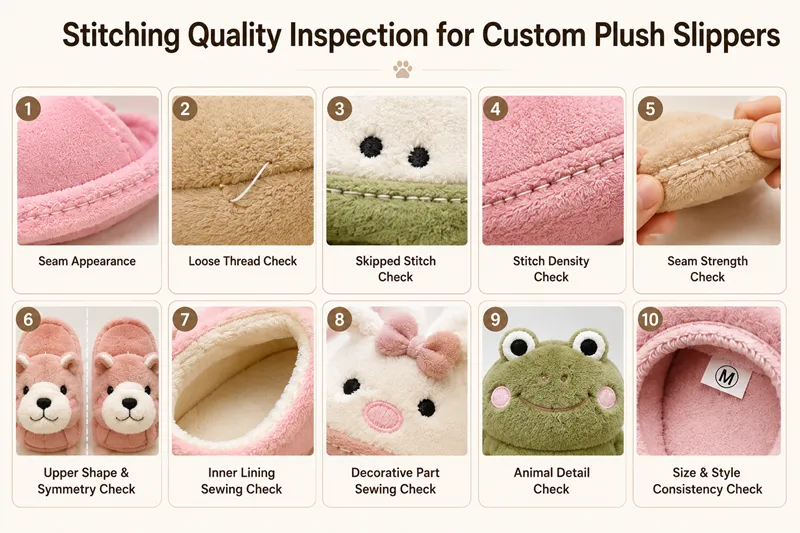
Main Stitching Inspection Points
1. Seam Appearance Check
Workers first check the overall appearance of the sewn seams. The seams should look neat, stable, and suitable for the slipper design.
- Whether the seam line is straight and clean
- Whether the seam position matches the approved sample
- Whether the sewing line is too loose or too tight
- Whether the seam edge looks uneven
- Whether the fabric is pulled or wrinkled near the seam
- Whether the plush surface is affected by sewing pressure
2. Loose Thread and Broken Stitch Check
Loose threads and broken stitches are common problems in soft footwear production. Workers may check each sewn part to see whether there are obvious loose thread ends, broken stitches, or unfinished sewing areas.
- Loose thread ends
- Broken stitches
- Untrimmed sewing threads
- Thread knots on visible areas
- Open seam sections
- Sewing that stops before the correct position
3. Skipped Stitch and Uneven Stitch Check
Skipped stitches or uneven stitches can make the slipper look less professional and may affect seam strength.
- Whether there are skipped stitches
- Whether the stitch spacing is consistent
- Whether the thread tension is stable
- Whether the sewing line has sudden gaps
- Whether the seam looks uneven across different pairs
- Whether the stitching is close to the approved sample
4. Stitch Density and Consistency Check
Different slipper designs may require different stitch density. During inspection, workers may check whether the stitch density is suitable for the fabric type and product structure.
- Whether the stitch density is too loose
- Whether the stitch density is too tight
- Whether the stitches are consistent across the same part
- Whether the seam can hold the plush fabric properly
- Whether the sewing line matches the production requirement
5. Seam Strength Check
After sewing, some key seam areas may be checked to see whether they are firm enough for normal handling and wearing.
- Upper seams
- Side seams
- Heel seams
- Opening seams
- Inner lining seams
- Decorative part seams
- Areas that will later connect with the sole
6. Upper Shape and Symmetry Check
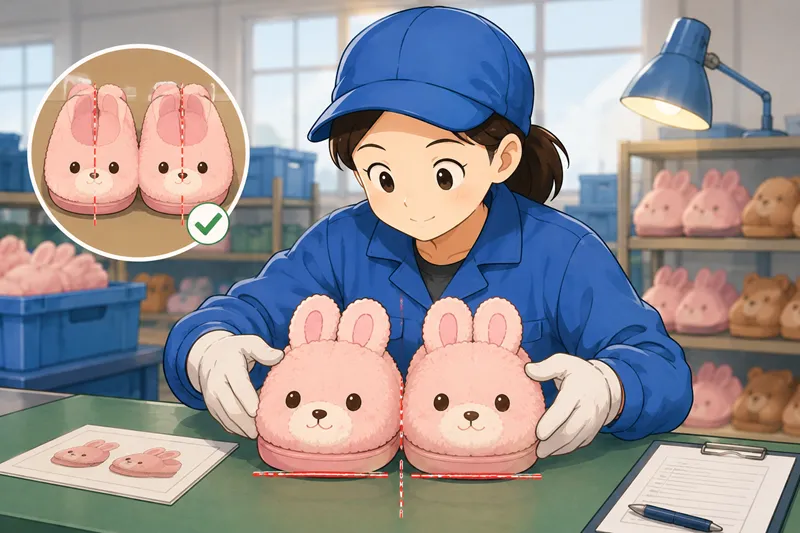
The shape of the slipper upper is also checked after sewing. Workers may compare the sewn upper with the approved sample and check whether the left and right slippers look balanced.
- Whether the upper shape is correct
- Whether the left and right slippers match
- Whether the slipper opening is even
- Whether the heel area is properly shaped
- Whether the toe area looks full and smooth
- Whether the upper is twisted or deformed
- Whether the shape is suitable for sole attachment
7. Inner Lining Sewing Check
For indoor plush slippers, the inner lining affects wearing comfort. Workers may check whether the lining is sewn smoothly and whether there are rough or uncomfortable areas inside the slipper.
- Whether the lining is properly fixed
- Whether the inner seam is too rough
- Whether there are loose threads inside
- Whether the lining fabric is twisted
- Whether the inside feels smooth enough for wearing
- Whether the opening edge is comfortable
8. Decorative Part Sewing Check
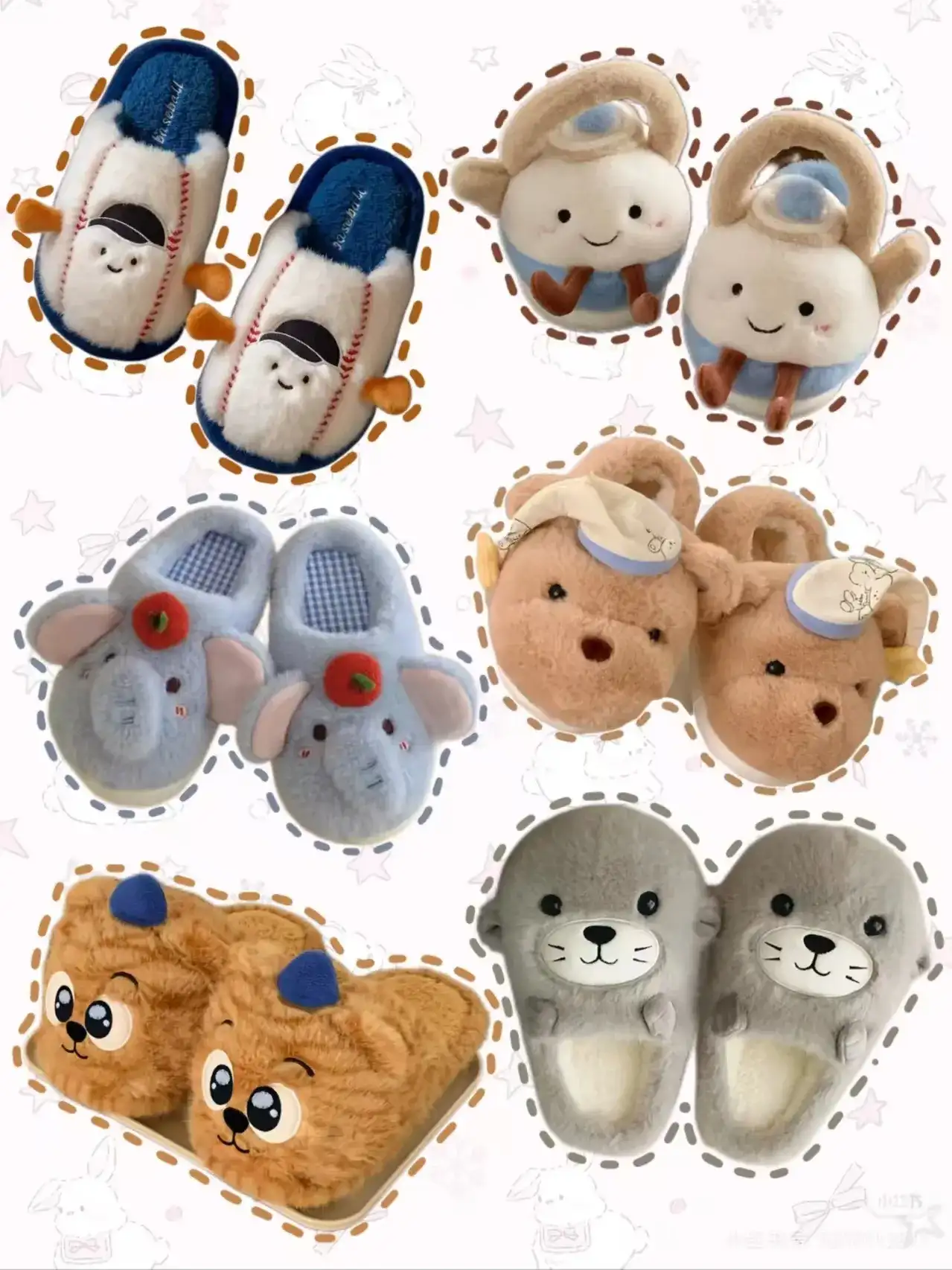
Many custom plush slippers include decorative parts such as ears, eyes, noses, mouths, patches, embroidery pieces, tails, wings, or other shaped details. These parts need to be sewn in the correct position and attached securely.
- Whether decorative parts are correctly positioned
- Whether the parts match the approved sample
- Whether the sewing around the decoration is neat
- Whether the decoration is firmly attached
- Whether the left and right positions are balanced
- Whether the decoration affects comfort or wearing
9. Animal Plush Slipper Detail Check
Animal plush slippers require more detailed stitching inspection because the expression and shape of the product depend on small sewn parts.
- Whether ears are placed evenly
- Whether eyes are balanced
- Whether noses and mouths are centered
- Whether facial details match the approved sample
- Whether left and right slippers look consistent
- Whether the animal shape is clear and recognizable
- Whether plush direction around the details looks natural
10. Size and Style Consistency Check
During stitching inspection, workers may also check whether the sewn parts match the correct size and style before moving to the next step.
- Whether the upper matches the correct size
- Whether the left and right uppers are paired correctly
- Whether the style is correct
- Whether the color combination is correct
- Whether the sewn upper matches the planned sole size
- Whether mixed sizes or styles are avoided before assembly
What Happens If Stitching Problems Are Found
If stitching problems are found during inspection, the affected pieces may be separated, repaired, trimmed, or rechecked before moving to sole attachment.
- Trimming loose threads
- Repairing broken stitches
- Re-sewing open seams
- Separating pieces with serious sewing defects
- Rechecking decorative part placement
- Correcting mismatched left and right uppers
- Reworking uneven or unstable seams
- Preventing defective pieces from moving to the next process
Why This Matters for Bulk Buyers
Stitching quality inspection helps reduce avoidable problems before plush slippers move into assembly and finishing. It supports better seam strength, cleaner appearance, more stable upper shape, smoother inner lining, and more consistent decorative details.
For custom plush slipper buyers, this step is especially important because many orders include soft fabrics, animal shapes, private label details, decorative parts, and different size or color combinations.
At CustomPlushSlippers, stitching inspection works together with material inspection, sole attachment checks, anti-slip sole checks, plush surface finishing, and packing inspection to help improve consistency before bulk plush slipper orders are shipped.
Need Custom Plush Slippers with Stable Sewing Quality?
Tell us your slipper style, fabric choice, size range, decoration details, logo method, and packaging requirements. Our team can help review production details before bulk custom plush slipper orders move forward.
Contact Us