One of the most common questions buyers ask is:
How much do custom plush slippers cost?
The answer is simple: there is no fixed price.
Custom plush slippers are manufactured according to your design, materials, sole requirements, logo customization, packaging preferences, and order quantity. Even products that look similar can have very different manufacturing costs.
This guide explains the main factors that affect pricing and provides a real-world manufacturing cost example to help buyers better understand how custom plush slipper projects are quoted.
Why Custom Plush Slippers Do Not Have a Fixed Price
Many sourcing websites display a wide range of prices for custom slippers.
Some listings appear very inexpensive, while others seem significantly more expensive.
The reason is that every project is different.
The final manufacturing cost depends on:
- Design complexity
- Material selection
- Sole type
- Logo customization
- Packaging requirements
- Order quantity
- Destination market
Because of these variables, professional manufacturers usually provide quotations based on project specifications rather than fixed price lists.
6 Factors That Affect Custom Plush Slipper Pricing
Design Complexity
Design complexity is often one of the biggest cost drivers.
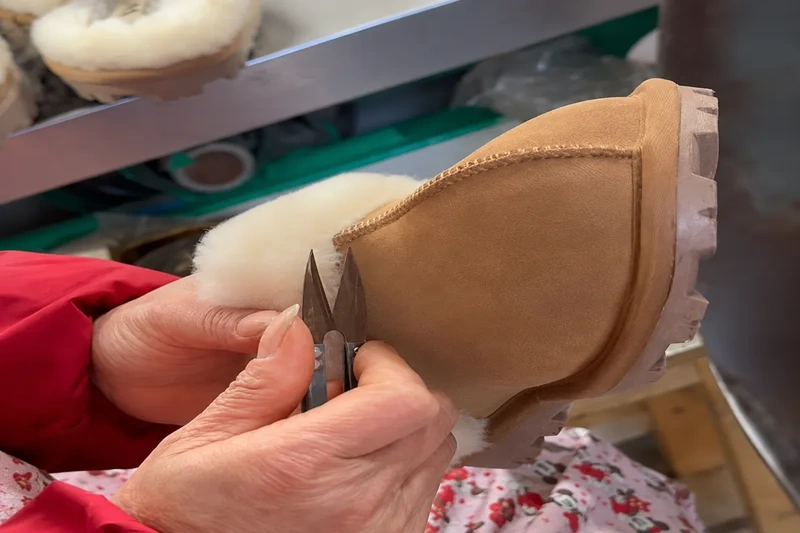
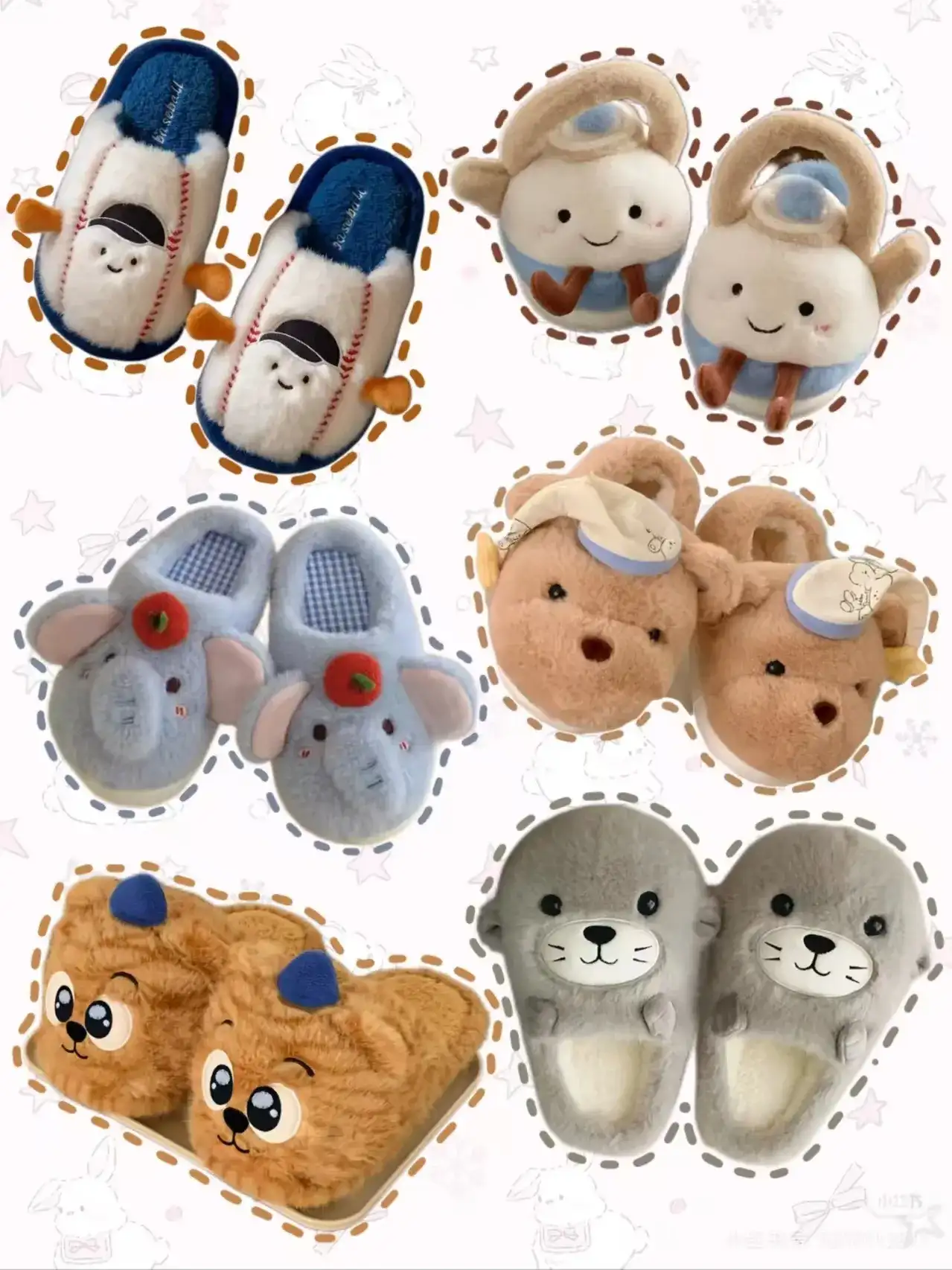
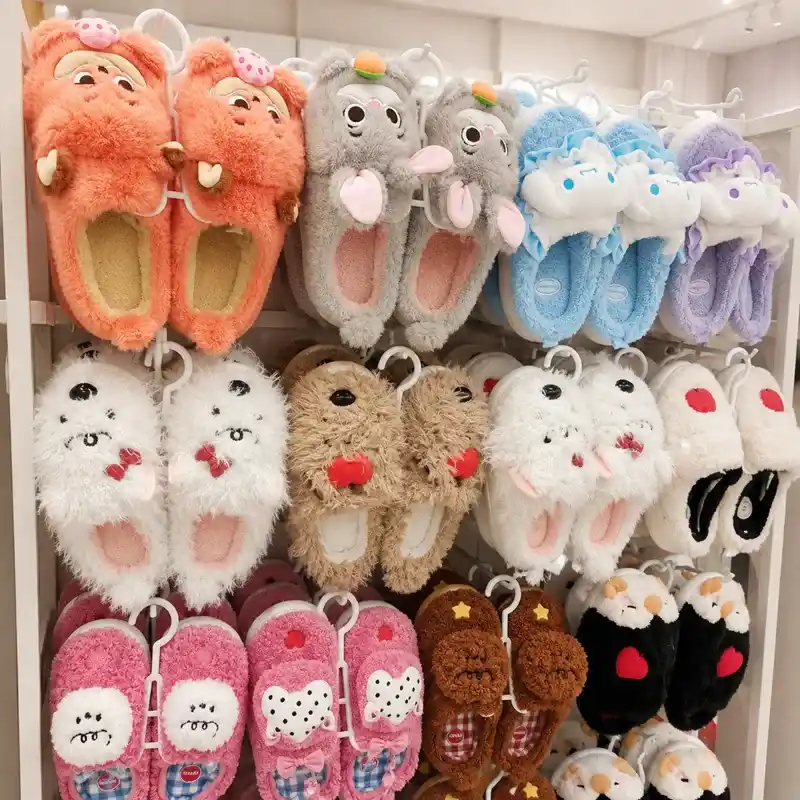
A simple animal plush slipper typically requires fewer sewing operations and less manual labor than a detailed character or mascot design.
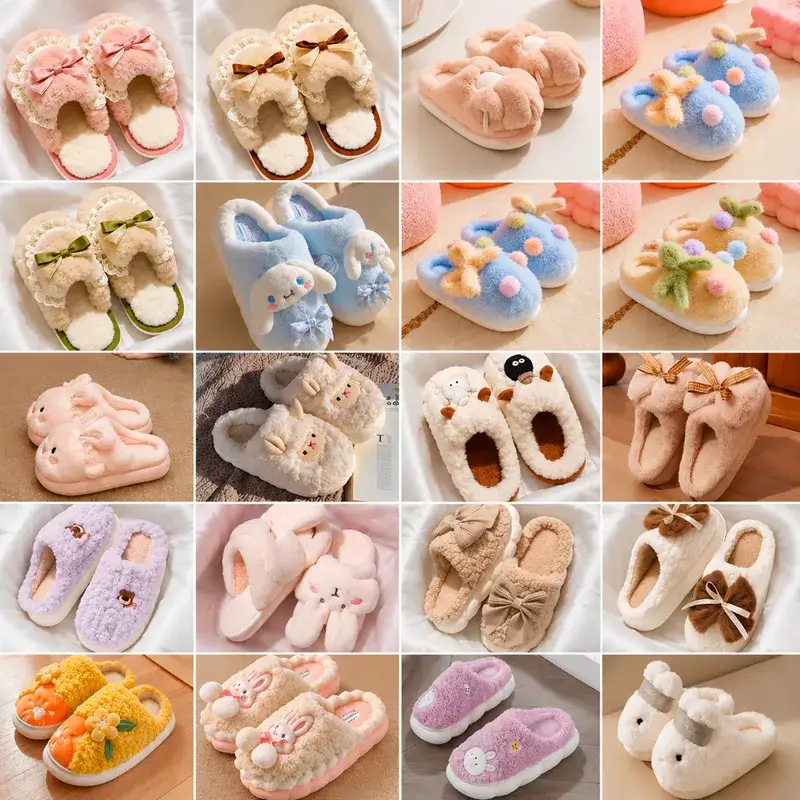
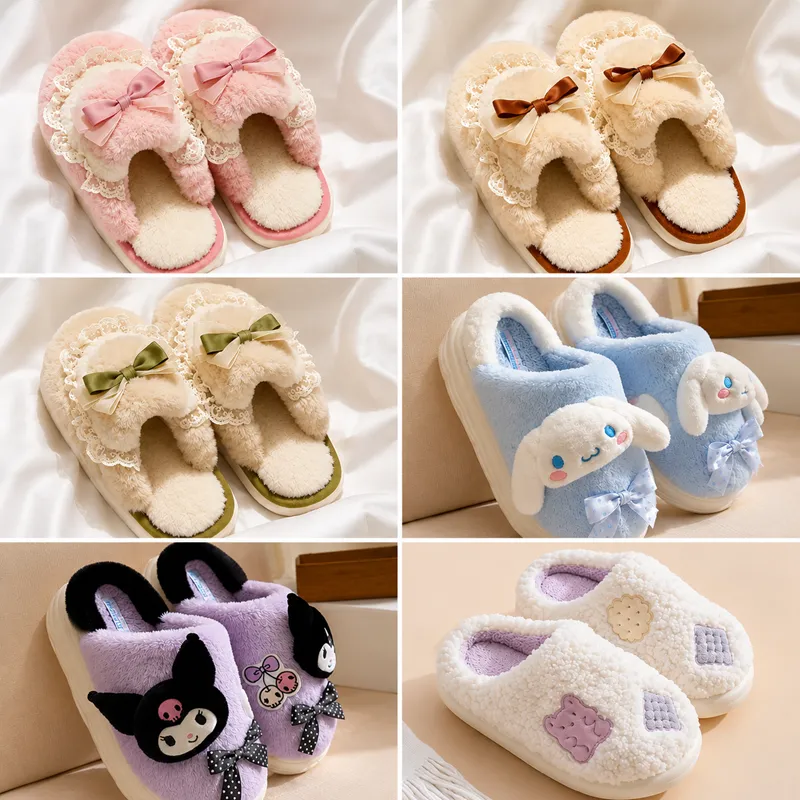
Additional features such as multiple fabric colors, 3D ears, embroidered facial details, and decorative accessories can all increase production costs.
Material Selection
Materials influence both product quality and manufacturing cost.
Common plush slipper fabrics include:
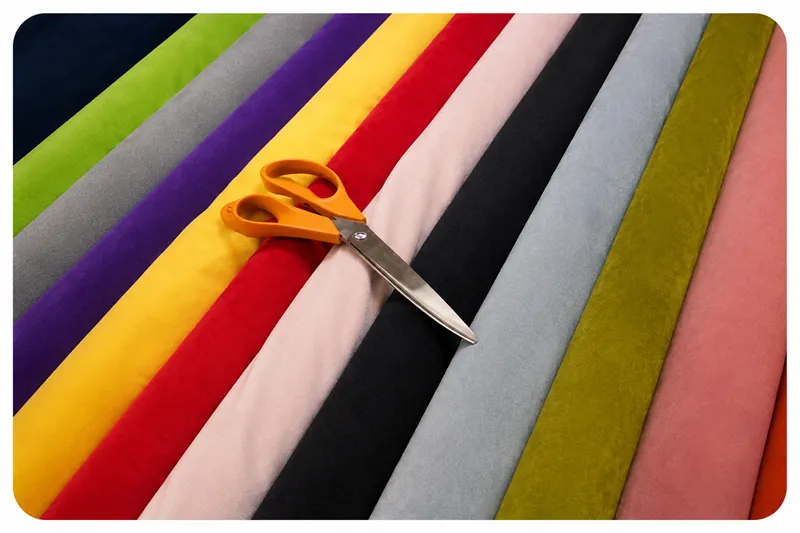
- Coral fleece
- Faux fur
- Sherpa fleece
- Velvet plush
- Teddy fleece
Higher-grade materials generally provide a softer feel and more premium appearance, but they also increase material costs. You can explore common options in our plush slipper materials guide.
Sole Type
The sole is one of the most important components of a plush slipper.
Common sole options include:
- Dotted fabric sole
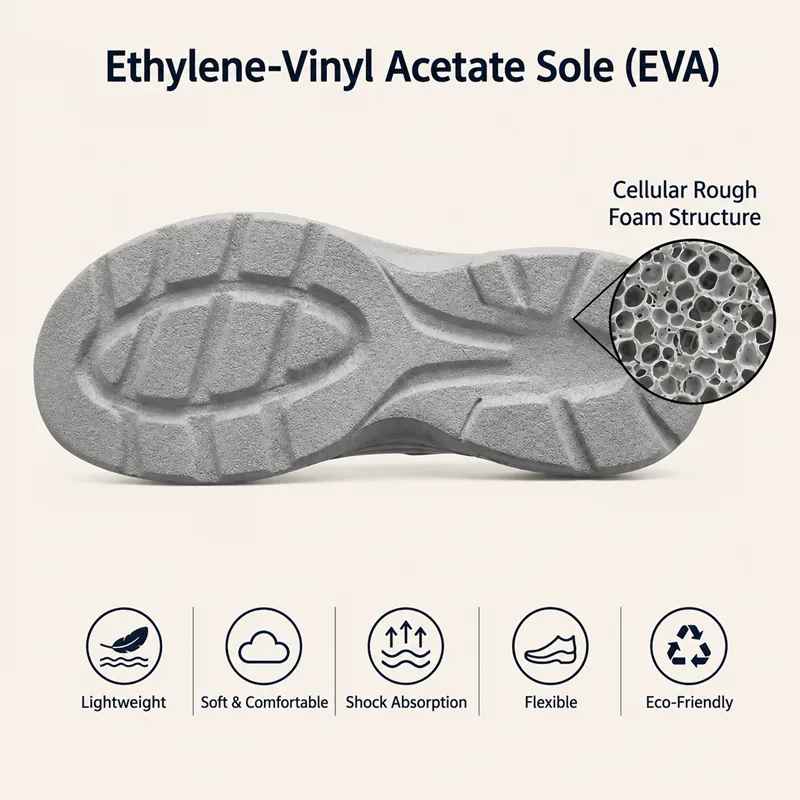
- EVA sole
- TPR sole
- Rubber sole
| Sole Type | Relative Cost |
|---|---|
| Dotted Fabric | Lowest |
| EVA | Low |
| TPR | Medium |
| Rubber | Highest |
Besides manufacturing cost, sole selection can also affect shipping costs because heavier soles increase total product weight. For buyers comparing sole options, we recommend reading our guide on choosing the right sole for custom plush slippers .
Logo Customization
Most private label projects require custom branding.
Popular logo methods include:
- Embroidery
- Woven labels
- Heat transfer printing
- Sole logos
More complex logo applications usually require additional labor and production steps, which may increase costs.
Packaging Requirements
Packaging is often overlooked during budgeting.
Common options include:
- OPP bags
- PE bags
- Drawstring bags
- Gift boxes
- Custom printed retail boxes
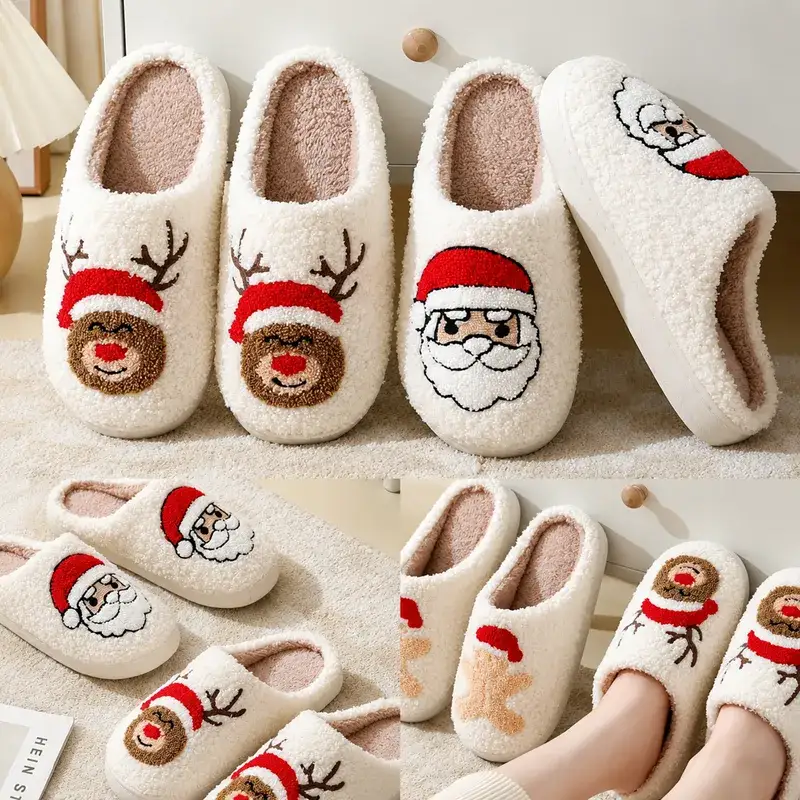
Retail-ready packaging generally costs more than standard bulk packaging. Packaging can also affect shipping volume and warehousing expenses.
Order Quantity
Order quantity has a major impact on unit cost.
Manufacturing involves setup costs that remain relatively similar regardless of order size.
These costs include:
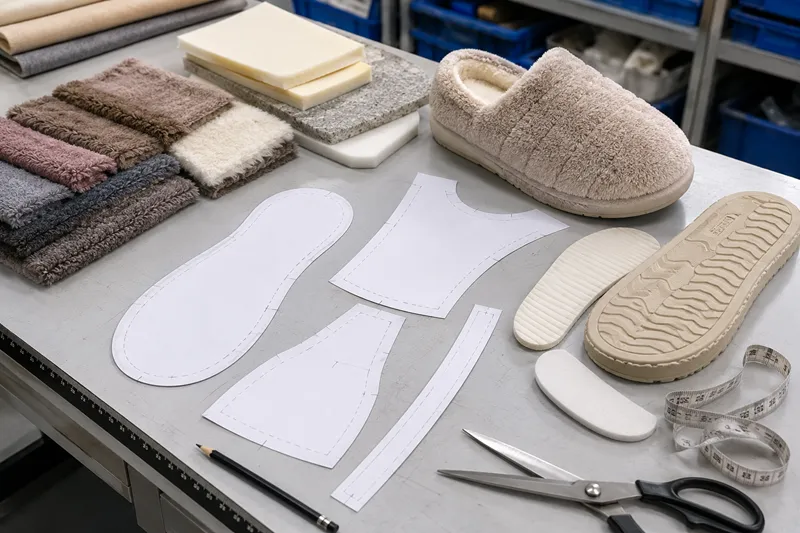
- Pattern development
- Material preparation
- Production setup
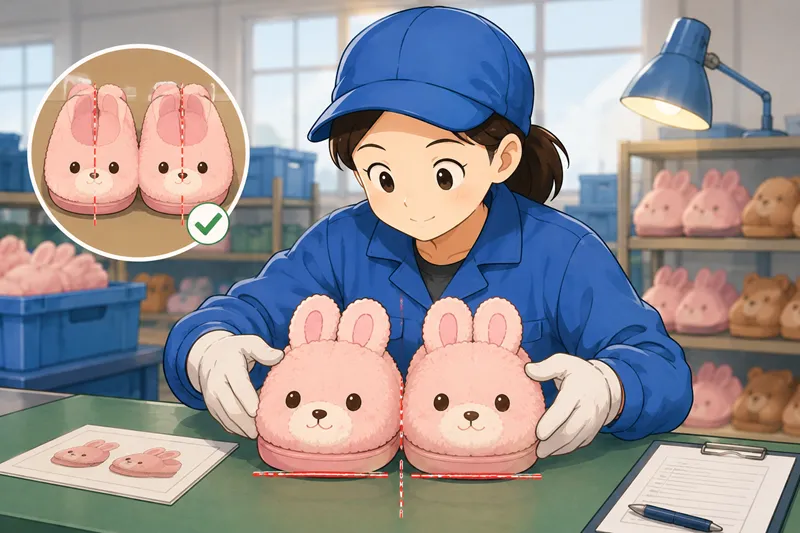
- Quality control planning
As order quantities increase, these costs are spread across more units, reducing the average cost per pair.
Need a Cost Estimate for Your Plush Slipper Project?
Share your design idea, order quantity, sole preference, logo method, packaging needs, and destination country. We can help estimate a suitable solution for your custom plush slipper project.
Request a Custom QuoteExample: Typical China Factory Manufacturing Cost
To provide a practical reference, here is an example based on a common custom plush slipper project manufactured in China.
Project configuration:
- Quantity: 1,000 pairs
- Design: Standard animal plush slipper
- Sole: EVA
- Logo: Embroidered eyes
- Packaging: OPP bag
For this type of project, the typical China factory manufacturing cost is approximately:
RMB 13 per pair (around USD 1.80 per pair)
Based on feedback from slipper manufacturers:
| Configuration Change | Typical Cost Impact |
|---|---|
| EVA Sole → TPR Sole | + RMB 1 / pair (≈ USD 0.14) |
| OPP Bag → Standard Color Box | + RMB 0.5 / pair (≈ USD 0.07) |
Example comparison:
| Configuration | Estimated China Factory Cost |
|---|---|
| EVA + OPP Bag | RMB 13 / pair (≈ USD 1.80) |
| TPR + OPP Bag | RMB 14 / pair (≈ USD 1.94) |
| EVA + Color Box | RMB 13.5 / pair (≈ USD 1.87) |
| TPR + Color Box | RMB 14.5 / pair (≈ USD 2.01) |
Important: These figures are provided for reference only and represent estimated manufacturing costs at a China-based factory. They do not include international shipping, customs duties, import taxes, local warehousing, distributor margins, or retail markups.
Actual costs will vary depending on project requirements, destination country, and market conditions.
Hidden Costs Buyers Often Forget
Besides manufacturing costs, buyers should also consider additional expenses.
Sample Fees
Sample fees cover product development and prototyping costs before mass production.
Freight Costs
Ocean freight, air freight, and courier shipping costs can significantly affect total landed cost.
Testing and Compliance
Some projects may require testing or compliance documentation depending on the target market.
Examples may include:
- REACH
- CPSIA
- SGS testing
Planning for these costs early can help avoid unexpected budget increases.
How to Reduce Costs Without Sacrificing Quality
Lower cost does not always mean lower quality.
Many successful buyers reduce costs by improving efficiency rather than simply selecting cheaper materials.
Practical approaches include:
- Simplifying design details
- Choosing standard sole options
- Using practical packaging
- Increasing order quantity
- Finalizing specifications before sampling
Small adjustments made early in development often result in meaningful savings during production.
What Information Do Manufacturers Need for a Quote?
To provide an accurate quotation, manufacturers typically need:
- Design image or reference photo
- Estimated order quantity
- Size range
- Sole preference
- Logo requirements
- Packaging requirements
- Destination country
Providing complete information helps reduce quotation revisions and improves pricing accuracy. Once you have prepared the information above, you can contact our team for a custom quotation.
Need a Quote for Custom Plush Slippers?
Share your design idea, target quantity, sole preference, logo method, packaging needs, and destination country. We can help estimate a suitable solution for your project.
Request a Custom QuoteFinal Thoughts
There is no universal price for custom plush slippers because every project is different.
The final cost depends on design complexity, materials, sole selection, branding requirements, packaging choices, order quantity, and shipping considerations.
Rather than focusing only on the lowest possible price, buyers should aim to find the right balance between quality, budget, and market positioning.
A clear project specification is often the fastest way to receive an accurate and competitive quotation.